Two instruments found in a 15th-century grave just changed what we know about pain.
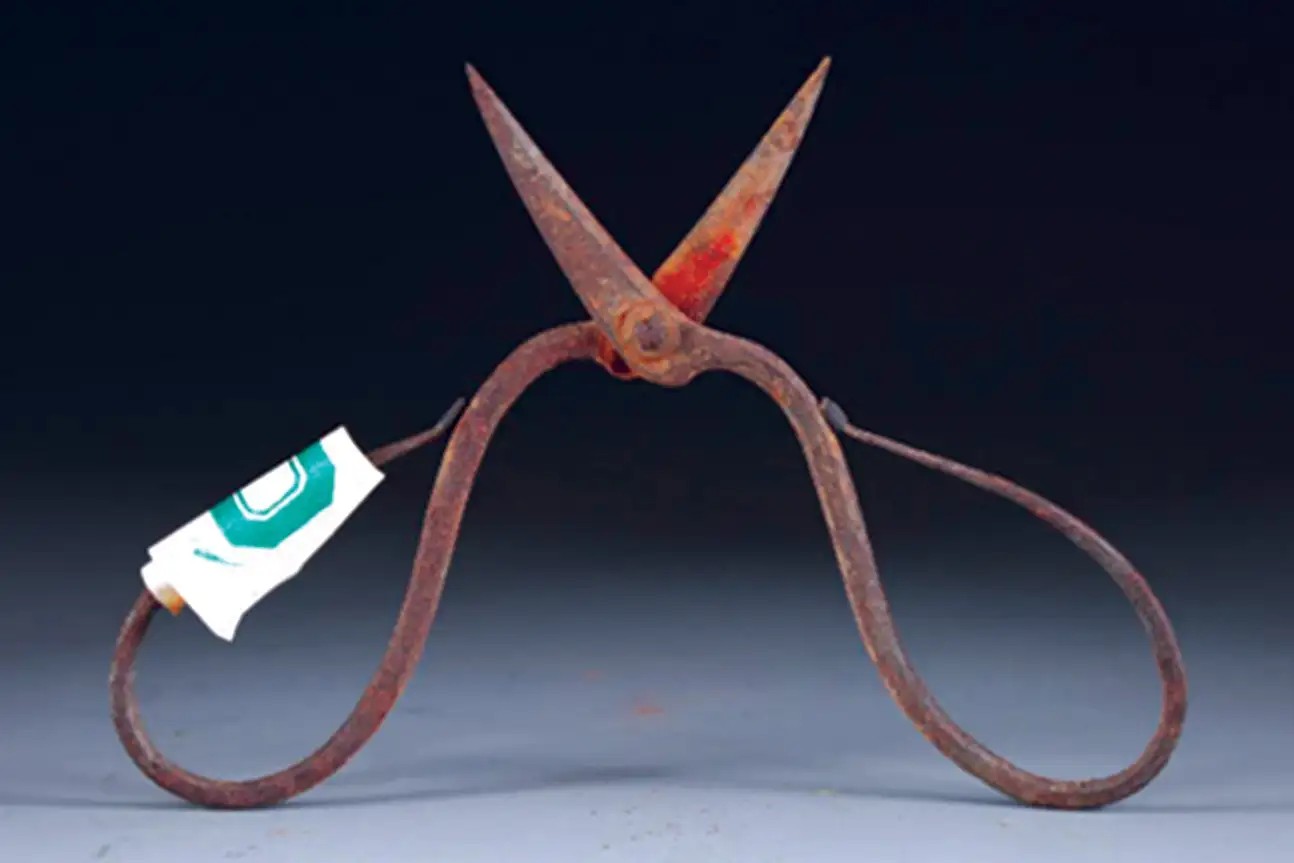
The artifacts are surgical scissors and tweezers. They were dug up in 1974. The owner? Xia Quan. A famous Chinese surgeon who lived between 1348 and 1411. His tomb is in Jiangsu province. For decades they sat as static historical objects. Now they are speaking.
Researchers used lasers. Congcang Zhao and his team at Northwest University in Xi’an looked close at the residue stuck to the metal. They found traces of aconitine right there. This isn’t background noise or dirt from the grave soil. It’s a specific compound. One with a dark history.
Aconitine comes from wolfsbane plants. Also known as monkshood. It interacts with sodium channels in nerve cells. At the exact right dose? It numbs the pain. Anaesthesia. Get it wrong and the patient dies. The margin for error is razor-thin. Which makes it terrifying to use. Which also makes it remarkable.
Why does the residue matter so much? Look at where it is. It’s on the blades of the scissors. The tips of the tweezers. The parts that cut. The parts that pull.
Contamination is the usual suspect in ancient residue analysis. Roots touch metal. Groundwater seeps in. Here though? The chemical sits precisely on the working edges. That changes everything. It means someone put that poison on the tool on purpose. They dipped them. Or applied a paste. Right before they cut flesh.
This is the earliest chemical proof of its kind. Ever.
Carney Matheson at Griffith Australia watched the findings with interest. He wasn’t part of the study. But he knows history.
“Now we can understand why this surgery… was so prolific and actually manageable in past”
We assume early medicine was brutal. We imagine patients tied down screaming through bone surgeries. Maybe that happened sometimes. But Xia Quan and his contemporaries? They knew more.
How did they survive this stuff? Plants like these don’t hand out anaesthesia politely. You have to wrestle the chemical away from the toxin.
Ancient texts give the recipe. It reads like alchemy.
- Soak it in black soybean decoction.
- Boil it with vinegar.
- Use mung beans to detoxify.
- Scrape the outer skin of the tuber.
- Yes. They even mention preparation with boys’ urine.
Gross. Maybe. Effective. Apparently yes.
Isolating one compound from a whole plant is hard. Doing it without a modern lab? Almost impossible sounding.
They had to extract the aconitine without poisoning themselves first. Then they had to process it for external application. Then they had to trust that it worked when the knife went down. That requires science. Real science. Not just guesswork. Not just “maybe this root helps.” This is precise, dangerous engineering of chemistry.
Why does it fade from history? Usually we credit the West for anaesthesia. Ether in the 1800s. The screaming stops in public theatres. We think that’s when humanity figured it out.
But China knew centuries before.
We give these doctors credit for anatomy sometimes. But we miss their pharmacology. They managed the most dangerous drug available. And they used it on patients who likely walked away alive.
The paper is published in Antiquity. Reference it if you need to. The facts don’t go away because they’re old. They just wait in graves for lasers.
Does that make modern medicine feel less unique? Maybe a little.
We build our narratives around linear progress. Dark ages then light. Ignorance then science. This blurs the line. The light wasn’t just one candle flickering in London. It was a controlled burn in Jiangsu five hundred years prior.
Xia Quan’s scissors rest in a museum. Cold metal. Dry soil.
They are silent again.
But for a moment?
We can hear the patients breathe easy.