Antibiotic resistance. It sounds technical, boring even. Until you remember it kills over 1 million people annually. Every single year. And it’s getting worse. Fast.
We knew misuse and overuse were the main culprits. Doctors prescribing too much. Patients finishing half their courses. But new research points to another villain hiding in plain sight. The climate crisis.
A team of researchers from the UK, France Australia, Switzerland, and China looked at the data. Really looked at it. They published their findings in The Lancet Planetary Health. Their conclusion is stark. Climate change is acting as an accelerant. A spark that turns a slow burn into a wildfire.
Heat Makes Resistance Spicy
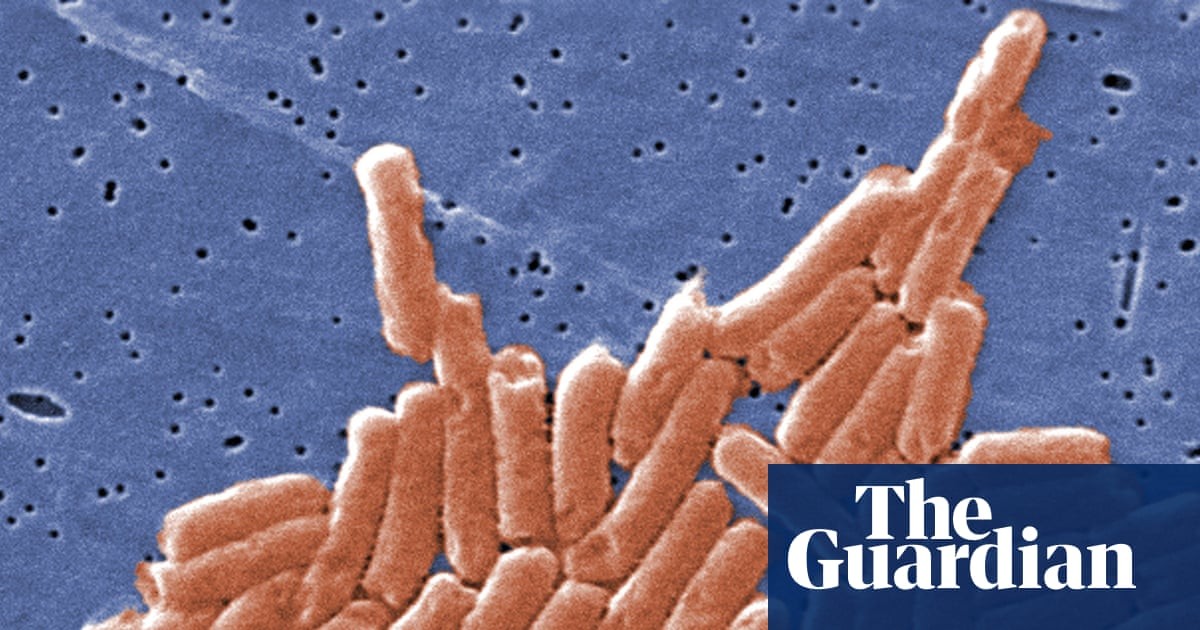
The study focused on Salmonella. A nasty bacterial bug and one of the most common infections worldwide. The researchers analyzed genomes from more than 480,500 Salmonella samples. These came from 139 different countries. The timeframe? 1940 to 2023.
That is a lot of germs. And a long time.
Here is what they found. Between 1940 and today there was a 10 percent global increase in antibiotic resistance genes in Salmonella. This isn’t just noise. It’s signal.
The link isn’t linear. It doesn’t go up steadily like a ladder. It’s messy. Non-linear. The combination of rising temperatures and altered rainfall patterns creates chaos. This chaos helps bacteria adapt faster. They mutate. They survive. They share their resistant genes like gossip at a party.
“Rising temperatures and altered precipitation patterns non-linearLY amplify the abundance and dissemination of antimicrobic resistance genes.”
The researchers didn’t say climate change is the only driver. No. Human behavior—abusing antibiotics—is still the biggest factor. But heat and rain act like fuel. They mess with microbial ecological stability. They force evolution to speed up.
Where Does It Hit Harder?
Not everyone gets hit equally. Of the countries studied 82 percent saw increases in resistance genes.
Where was the hit the hardest?
– The Middle East.
– North Africa.
These regions saw the strongest climate-associated jumps. South Asia followed. Then sub-Saharan Africa. The hotter and wetter shifts these regions experience seem to create perfect conditions for super-bugs to thrive.
This isn’t proof of direct cause. Science is picky like that. Correlation is not causation. But it is robust evidence. The link is strong enough to demand attention. We can’t just blame doctors and pharmacists anymore. The atmosphere matters.
A Fix For A Two-Front War
So what now? We have a two-front war.
One front is the antibiotics. We need better stewardship. One Health surveillance. Less abuse.
The other front is the planet. Mitigation policies matter. The Paris Agreement isn’t just about saving coral reefs. It might be about saving penicillin too.
The authors are clear. You cannot fight one without fighting the other. Low-emission scenarios could effectively curb the spread of resistance. Sticking to those climate goals acts as a medical intervention.
Who would have guessed that saving the climate is a health strategy?
Maybe nobody did. Now we do. But the data is piling up. The bacteria aren’t waiting for consensus. They’re adapting to the heat. Are we ready for that?
Probably not entirely. But we should start connecting the dots. Between the thermometer. The prescription pad. And the patient.