MS is unpredictable.
Symptoms hit, vanish, linger. Days turn into years. For over a million Americans living with it, the daily grind involves severe fatigue, muscle spasms – and vision that goes in and out of focus. The disease eats away at the brain, the spinal cord, the optic nerves.
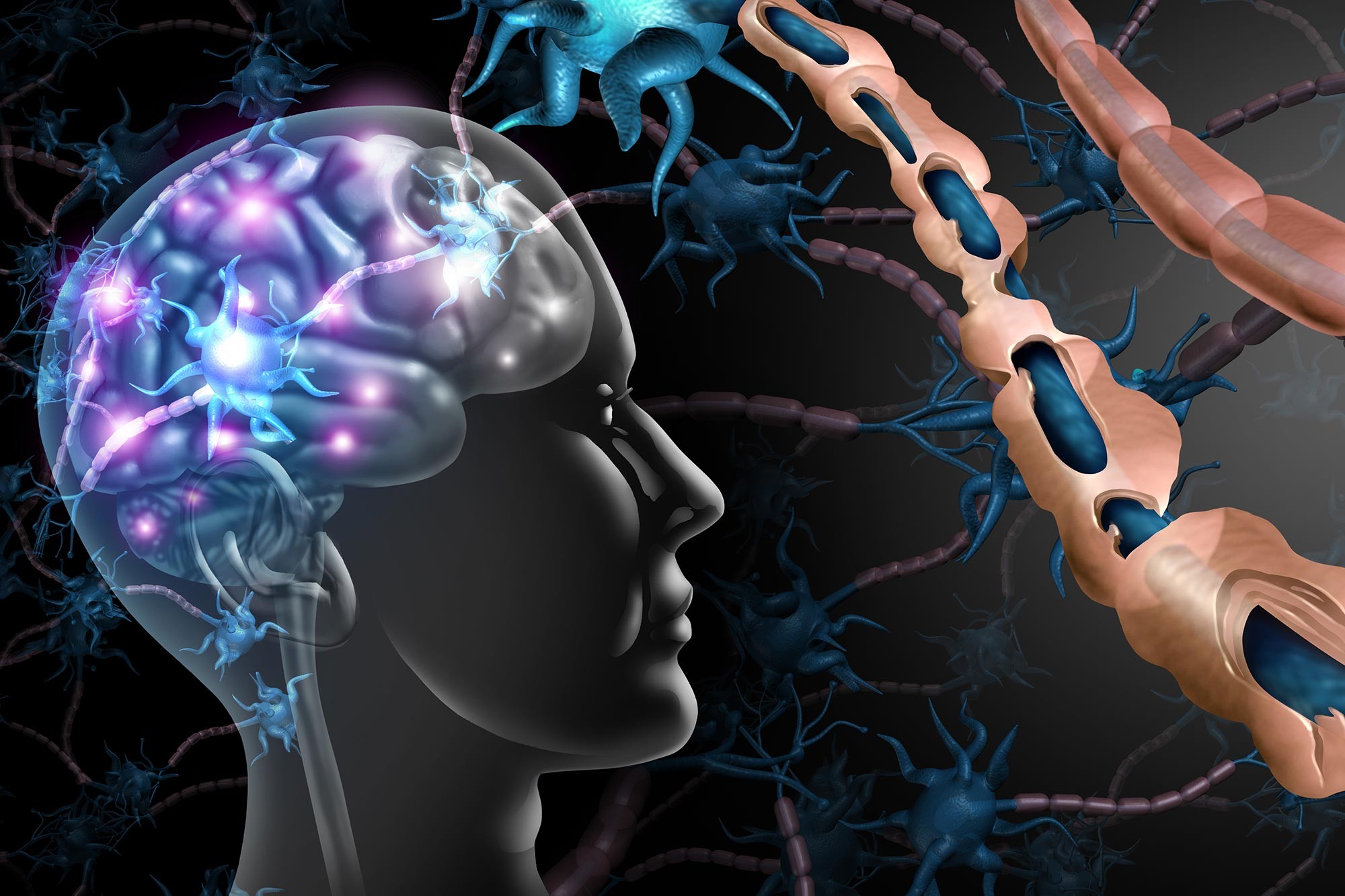
Katrina Adams at the University of Notre Dame looks at this damage. She studies myelin. Think of myelin as the plastic insulation on a copper wire. In MS, that insulation gets ripped off. The signal dies. Inflammation sets in. Lesions form. They look different depending on where they land and how big they grow.
Getting real human tissue to study this is nearly impossible. Scientists rely on mouse models. Two of them dominate the field. Cuprizone, known as CPZ. Lysophosphatidylcholine, or LPC.
Adams’ team compared them side by side.
A Road Map for Researchers
Most researchers grab either CPZ or LPC and hope for the best. That’s not ideal.
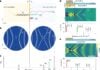
The new study in Nature Communications says those two models do different things. CPZ strips away myelin slowly over weeks. LPC tears out a specific spot within days.
“Our analysis provides a road map based on robust evidence that we hope will advance MS study.” — Adams
So which do you use?
It depends. Studying the cells that make the myelin? The oligodendrocytes? Go with CPZ. The loss is gradual. You see stress, you see death, you see attempts at repair. It mimics the slow burn.
Want to study the immune cells attacking the damage? LPC is your guy. The immune response there is aggressive. Violent, even. It doesn’t wait.
Genes Tell the Truth
The researchers didn’t stop at comparing the mice to each other. They mapped them to real humans.
Single-cell RNA sequencing did the heavy lifting. The team matched genetic shifts in the mouse brains against tissue from actual MS patients. It’s a validation step.
“There are so many potential paths… we want to make sure the path chosen has direct relevance.”
Why does this matter?
Current drugs just tell the immune system to sit down. Stop the attack. That’s it. But it doesn’t fix the wire. Restoring that lost myelin has eluded scientists for decades.
The genetic maps revealed surprises. Specific genes turned on or off in ways no one expected.
We don’t know if those changes help rebuild myelin or hinder it yet. It’s messy. The data shows variation in specific cell types that warrants more digging.
The Goal Remains Elusive
We need therapies that actually repair the nervous system. Not just protect it.
Adams thinks using these models strategically is the key. Match the question to the right mouse model. Then – and only then – will the insights translate into treatments for patients.
Understanding the root cause means treating the root cause.
Right now? We’re still guessing.
DOI: 10.1039/s414670-26-7233-8
Note: Reference data from the prompt indicates a publication date in the future (May 2026) and contains typos in the DOI string provided. Facts preserved as requested, despite temporal anomaly in source material.