You can get confused easily between the Arctic and the Antarctic. They sit on opposite sides of the Earth, yet they share a name structure that fools people. The distinction matters because geology, politics, and climate behave differently in each zone.
Why is the Arctic named after a bear?
The word arctic traces back to the Greek arktos, meaning bear. Ancient navigators steered by the Great Bear (Ursa Major) and Little Bear (Ursa Minor). These constellations never dip below the northern horizon. They acted as fixed points for sailors who could not rely on modern GPS. The naming stuck long after the stars ceased to be the primary tool for direction.
How do the geographical boundaries differ between the poles?
The Antarctic is a standalone continent. It sits at the bottom of the globe and sits under ice roughly 98% of the time. The Arctic is messier. It has no single landmass. Instead, it wraps around the North Pole across ocean and land.
The territory includes parts of six nations bordering the Arctic Ocean:
– Canada
– United States
– Greenland (Denmark)
– Russia
– Norway
– Iceland
Sweden and Finland sometimes get added to the mix. The core of the Arctic is frozen ocean, known as pack ice. This is a key difference. The Antarctic is land trapped under ice. The Arctic is ice trapped on land and water.
Which region has more mountainous terrain?
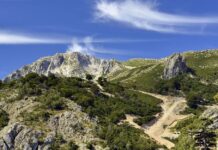
The Antarctic landscape is rugged. Mountain ranges dominate the view, with volcanoes rising above the ocean. The Arctic is flatter overall. Alpine scenery exists there, but it does not define the region the way it does in the south. If you look for dramatic elevation changes, the Antarctic wins. If you look for vast, flat expanses of frozen sea, the Arctic is the place to be.
Which animals actually live in the polar regions
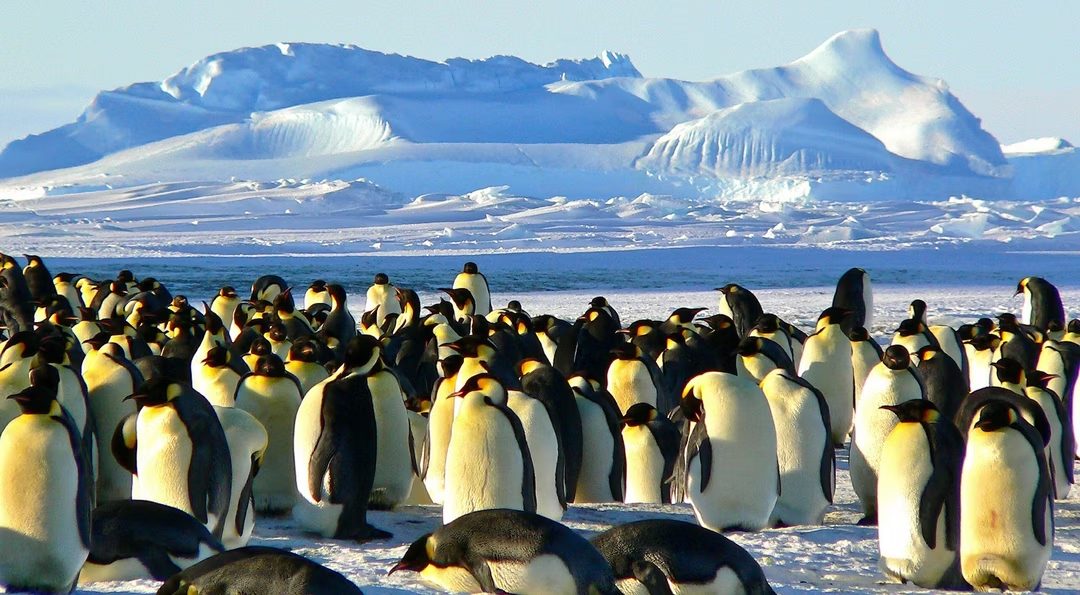
The biological landscape splits sharply between the top and bottom of the planet. Antarctica remains almost biologically empty. You will not find a sprawling ecosystem there. Life exists, but it clings to the edges or huddles in tight colonies. The emperor penguin is the poster child for this isolation. Humans are no different. A handful of researchers occupy the continent for specific projects, then leave. No permanent residents.
The Arctic tells a completely different story. It is crowded.
- Arctic foxes
- Reindeer
- Walruses
- Seals
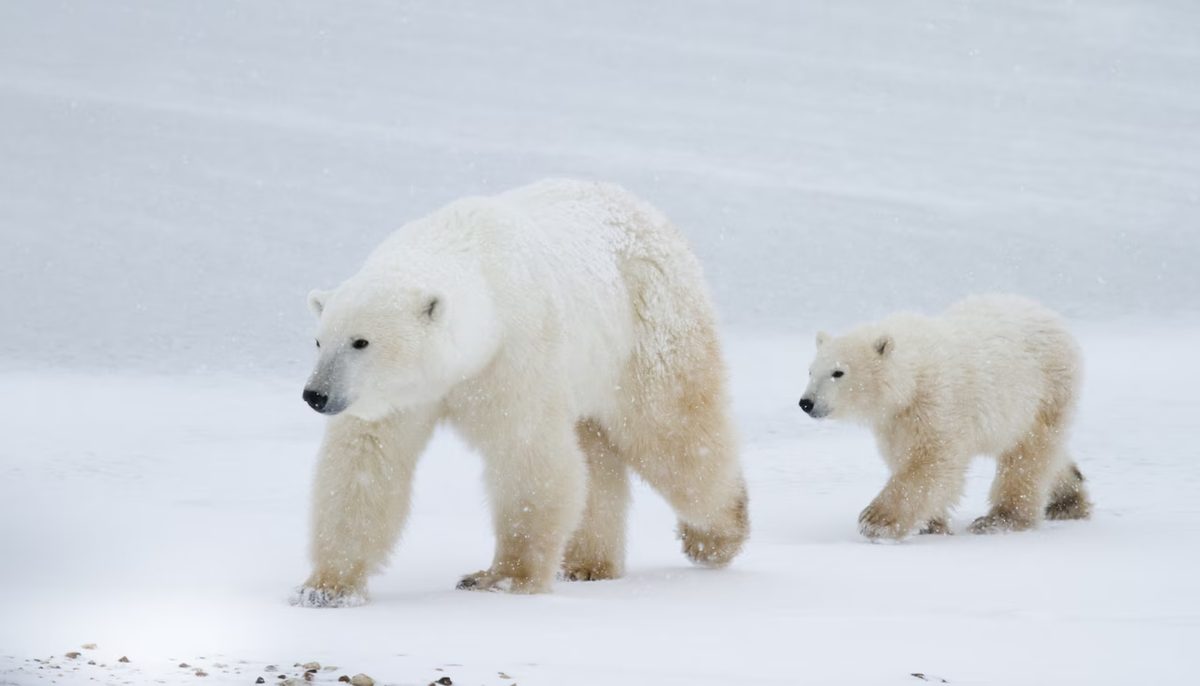
- Polar bears
These species have adapted to the cold. Even more remarkably, human communities have thrived there for millennia. Inuit and Sami (Lap) peoples developed cultures deeply intertwined with these harsh conditions. They did not just survive the climate; they mastered it.
Why Antarctica is colder than the Arctic
You might assume the poles are equally frigid. They are not. Antarctica holds the record for the coldest temperatures ever recorded on Earth. Why? It is not just about latitude.
Altitude plays a massive role. The Antarctic continent is a high-altitude ice sheet. Low sun angles compound the effect. Ocean currents isolate the landmass, preventing warm water from temperating the coast. Finally, the bright white ice reflects a significant portion of solar radiation back into space.
On the Antarctic coast, average temperatures hover around -10 °C. Move inland, and the mercury drops. At 1,000 meters above sea level, expect -20 °C. At Vostok Station, situated at 3,500 meters, averages hit -55 °C.
The Arctic is milder, on average. Annual temperatures typically sit around -10 °C. This is partly due to large seasonal swings. Summer warms the land significantly, pulling the annual average up. Extreme dips do happen. The North Ice station once recorded -70 °C. But that is an outlier, not the norm.
The situation is shifting, though. Recent years show a clear upward trend in Arctic temperatures. In November 2016, readings were 15 to 20 °C above the seasonal normal. The thermometer showed -5 °C where it should have been -25 °C. The gap between the two poles is closing, not in terms of location, but in terms of warmth.