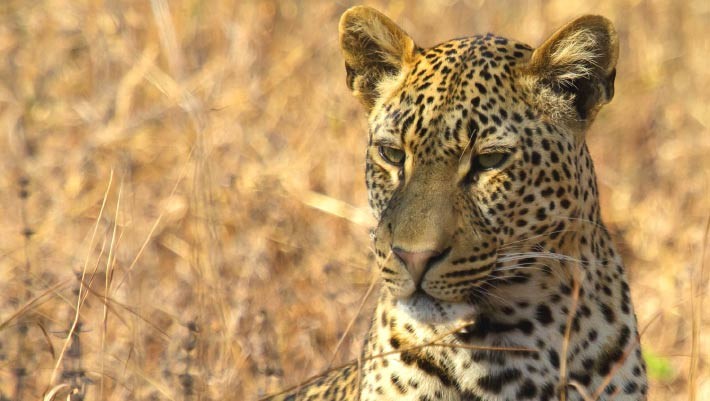
It wasn’t like the leopards we see on Safari today. Heavier. Built different. Panthera pardus burgtonona. A mouthful. But this cat had heft.
Thick bones. Wide jaws.
The fossil record finally caught up with the Eemian intergl period, roughly 130k to 115k years ago. That window just before the last Ice Age really turned the screws. And right there in Germany? A new subspecies was thriving.
Digging Up Thuringia
The site is old news. Or at least it is to geologists. The Burgtonna travertine pits have been yielding fossils for centuries. Helmut Hemmer and Ralf-Dietrich Kabilke of the Senckenberg Research Station point to 1696. Wilhelm Ernst Tentzel looked at an elephant back then. First scientific nod.
That moment cemented Burgtonna’s status. A natural science focal point.
Most previous digs found lions—specifically Panthera leo cf. spelaea. Maybe a wild cat, Felis silvestris. But in 1993 things shifted. Andreas Lindner. A private collector. He pulled bones out of the southernmost part of the pit during a phase of intensified quarrying. Over the years, he’d pull out around 2500 vertebrate finds. This one? The star of the show.
Just pieces, though. A lower jaw. One upper carnassial tooth. Several limb bones. But that was enough.
Not Your Average Leopard
The paleontologists weren’t shy about the description. Slender-jawed but massively robust. Likely a female. Young, even, based on the minor tooth wear.
The metrics?
– Weight : 35 to 45 kg
– Head-to-body length : 107–112 cm
That’s heavy for a leopard of this era. Heavier still compared to modern cousins. The build wasn’t sleek panther; it was jaguar-like. Stocky. High body mass index. A distinct departure from the lithe killers roaming Africa or Asia now.
The authors link burgtona to earlier finds from Mosbach and Taubch. Unique dental traits set these animals apart. Totally distinct from the later leopards of Europe. Those? Re-tagged by this team as Panthera pardus antiqua.
Who Ruled Where
Timing matters here.
P. burgtonnae appears central European late middle Pleistocene. Spreads during early late Pleistocene. MIS 5E. At least from Central Europe to the Apennines. Hits western Europe before MIS 2.
But then came the Weichselian cold phase. The big freeze. In Central and Southeastern Europe? P. burgtonnae faded out. Or vanished.
The landscape switched gears.
Enter Panthera pardus antica. The team notes that during that final glaciation, antiqua dominated the region. It was “then very common.” A replacement? Or just the hardiest survivor of a shifting climate?
Two big, heavy leopard forms defined late middle and late Pleistocene Europe. Gone now. Replaced by leaner, lighter species down south and elsewhere.
The paper hits Palaeobiodiversity and Paloenvironments.
We know the bones. We have the dates.
We still wonder why the heavy hitters dropped out.