Don’t confuse them. Not directly. Independence Day has brand-new faces. No Martians. And H.G. Wells definitely did not write dogfights over London like some space opera.
Yet here we are. Contradicting ourselves.
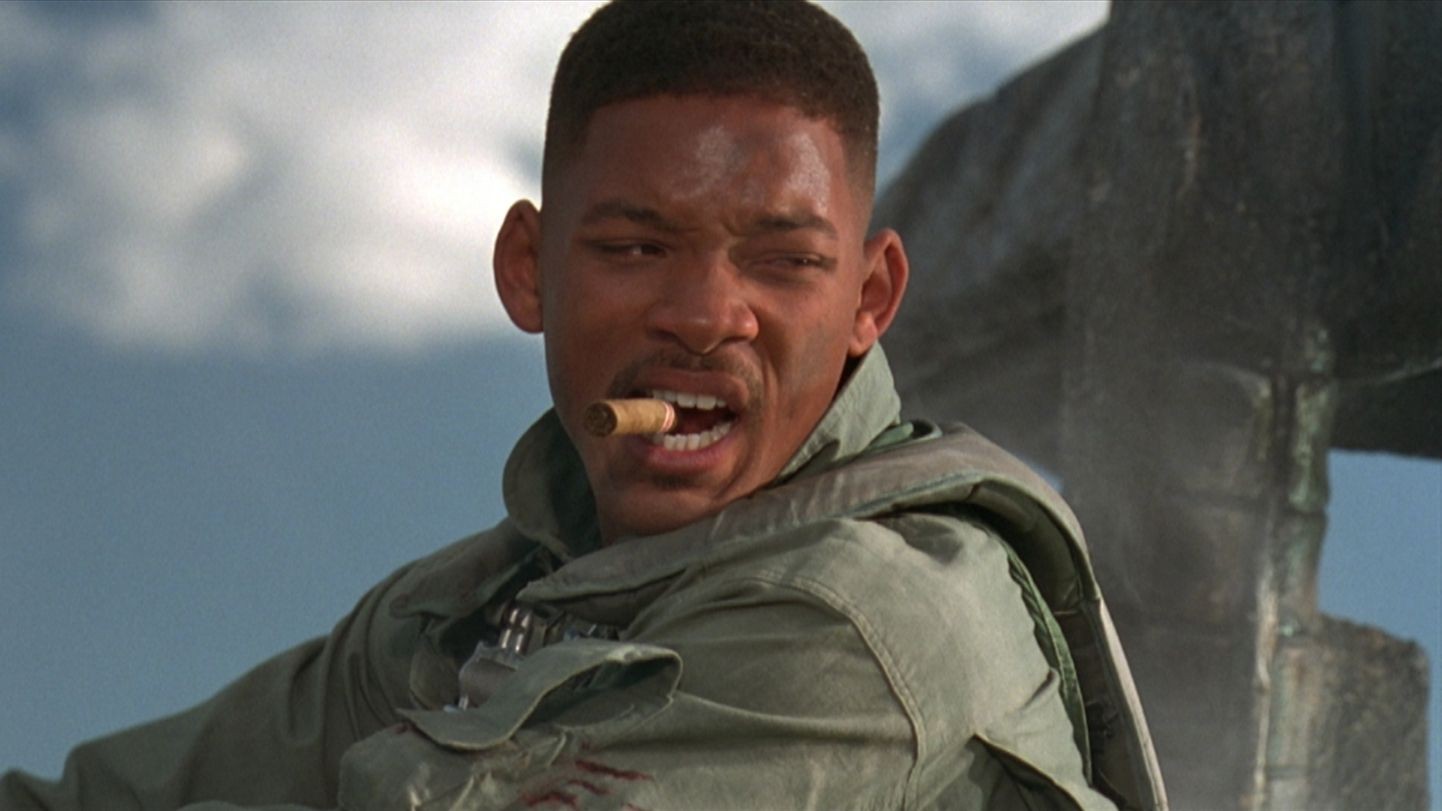
Independence Day is War of the Worlds. It’s about Earth losing. Badly. Aliens show up, we’re outgunned, we fight anyway. The ending tracks too. Computer viruses replace bacteria. Same beat. Different tempo.
Roland Emmerich understood the assignment. He didn’t just copy Wells. He rebuilt the thing for blockbusters. The aliens in ID4? Pure Hollywood. Their plan is a marketing pitch. Blow up landmarks. Make posters. Flatten cities for the money shot. Is it practical? No. Does it look great? Absolutely.
Mars was dead news anyway. Vikings had shown us red dust. Nobody bought Martians in the nineties. Emmerich gave us nomads. Scavengers. Hungry. It fit the cynical vibe.
War of the Worlds plays well. Like Frankenstein. Like Dracula —which dropped the same year. These stories are clay. You mold them to the times. Change the names. Nosferatu didn’t even use Stoker’s titles. They become archetypes. Hard-coded into culture.
We can’t quit them. They’re mirrors. Look what we’re scared of, they say. Look at us.
Orson Welles knew this. In 1938, War of the Worlds was young. Under 40 years old. Welles was 20-something. He needed Halloween content. A fake newscast. Writer Howard Koch moved the action from London to New Jersey. Spoiler: Spielberg did too decades later.
It worked too well.
Panic swept the country.
Did people actually burn their houses? Maybe not. The press exaggerated. But some listeners came in late. Heard the aliens taking over. Thought it was real. Welles mimicked radio structure. Weather reports. Experts. Fake urgency. Ghostwatch tried it 50 years later. Got in trouble for it. Welles got glory.
Welles tapped into war fears. Europe was burning. But the first movie adaptation waited until 1953. Cold War era. Different panic.
George Pal’s version drops the nukes on Martians. Boom. Nothing happens. Force fields. Pointless atomic bombs. Or just a way to keep the bacteria ending clean? Hard to tell. But Pal pushed visuals forward. Technicolor. Tripods that float. Sort of. Walking on invisible legs? Sure. Whatever sold it.
Then comes the weird turn. 1970s. Prog rock.
Jeff Wayne’s Musical Version hits shelves. Millions buy it in the UK. Richard Burton narrates. Justin Hayward. David Essex. Phil Lynott. Julie Covington. It’s a concept album. A rock opera. Today, Jeff Wayne is still touring it. Liam Neeson replaced Burton. Same invasion. New guests.
Back to the nineties though. Independence Day broke the internet before the internet broke everything.
Box office king. 1996’s Jurassic Park. Everyone saw it. It changed the rules. After ID4, every alien movie had to justify destroying skyscrapers. If your saucers weren’t flattening the White House, you were lazy.
Spielberg saw the writing on the wall. When he made War of the Worlds in 2005, he dodged the ID4 trap. He used the tripods. The red weed. He focused on family survival. Post-9/11 anxiety. Gritty. Real. Not a party.
TV keeps churning it out. 2019 gave us a BBC period drama. Also 2019? A survival show set after the wipeout. Same year. Different tones.
Then 2025 arrived. And it hurt.
The new War of the Worlds failed hard. Ice Cube played a guy glued to a desk. Aliens wanted our data. Privacy horror stories. Sledgehammer allegories. Nobody liked it. Universally panned.
But it proved the point again. The novel is 129 years old. It bends. Breaks. Refuses to stay still. That 2025 version? Not Wells. Also Wells. Just messy. Just like we are.
We keep coming back. Why stop now?