August 12. That’s the date.
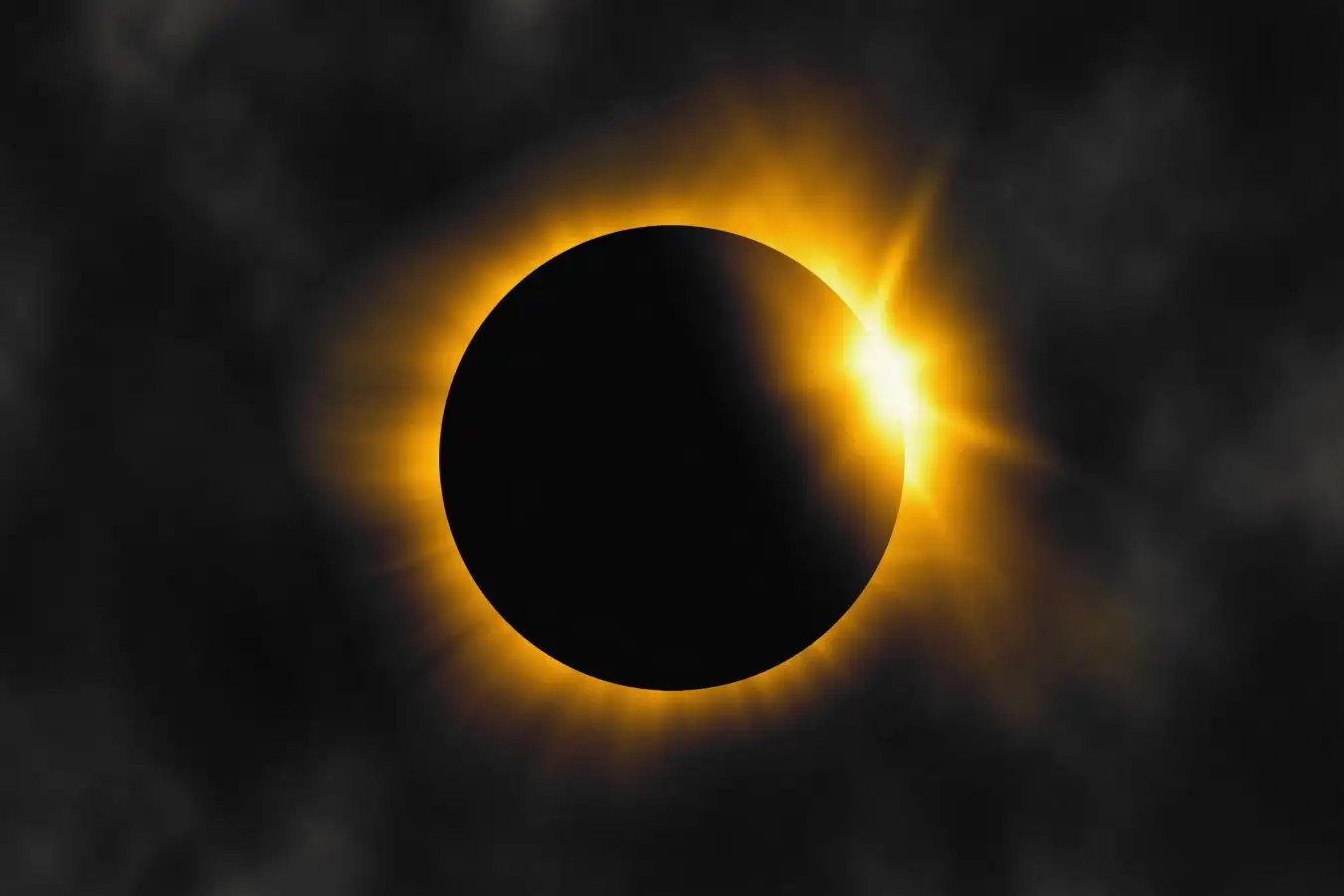
The moon slides between the Earth and the Sun, stealing the light. A total solar eclipse sweeps across the Atlantic, Russia, and Greenland. Most of the UK, parts of the US, and much of Canada and Europe? They get the partial show.
Where does the shadow fall?
Totality starts in Russia, right around noon. From there it charges east across the Arctic Ocean, slipping just south of the Pole before hitting land. Northeastern Greenland takes the impact just after 4 pm local time.
The shadow doesn’t walk. It runs. More than 3,400 kilometers an hour.
The whole experience of total darkness lasts barely over two minutes and eighteen seconds. It happens as the moon’s shade moves from Greenland into the open ocean. Up to this point, only remote research stations and die-hard chasers have been able to watch it. Small villages, maybe. But nothing crowded.
Then it hits Iceland.
Reykjavik sees about a minute of total black-out at 5:48 pm. It’s the first total eclipse people there have seen since 1954. And they won’t get another chance until the year 2196. Imagine waiting 150 years.
The moon’s path grazes Iceland’s western edge, jumps across the sea, and hits northern Spain before 8:30 pm. It kisses the northeast corner of Portugal, crosses the Balearic Islands, and ends as the sun sets.
What do you actually see?
When the disk of the Sun vanishes behind the Moon, the world changes instantly.
Temperature drops. Daytime becomes twilight. Stars poke through the blue-black sky. Usually the Sun’s outer layer, the corona, is drowned out by the glare of the core. Now it shines. Shimmering sheets of plasma, hot enough to melt rock, visible to the naked eye.
Scientists call it the perfect laboratory for unraveling why the corona is so much hotter than the Sun’s surface.
That is the main event. The rest is just setup.
For every phase where any sliver of the Sun is still visible, you need protection. Eclipse glasses or a solar filter. Looking at the Sun directly otherwise means blindness. But during that brief minute of totality? Safe. Look at the corona.
Partial eclipses are longer but quieter. The Moon takes a bite. That’s it. No corona. No temperature drop. It lasts for over an hour in northern US, Canada, and northwest Africa. It’s less dramatic. It’s safer, mostly. If you don’t have glasses, you can use a pinhole camera. Project the shadow onto a wall. Watch the light fade a little.
Don’t look directly. Never directly.