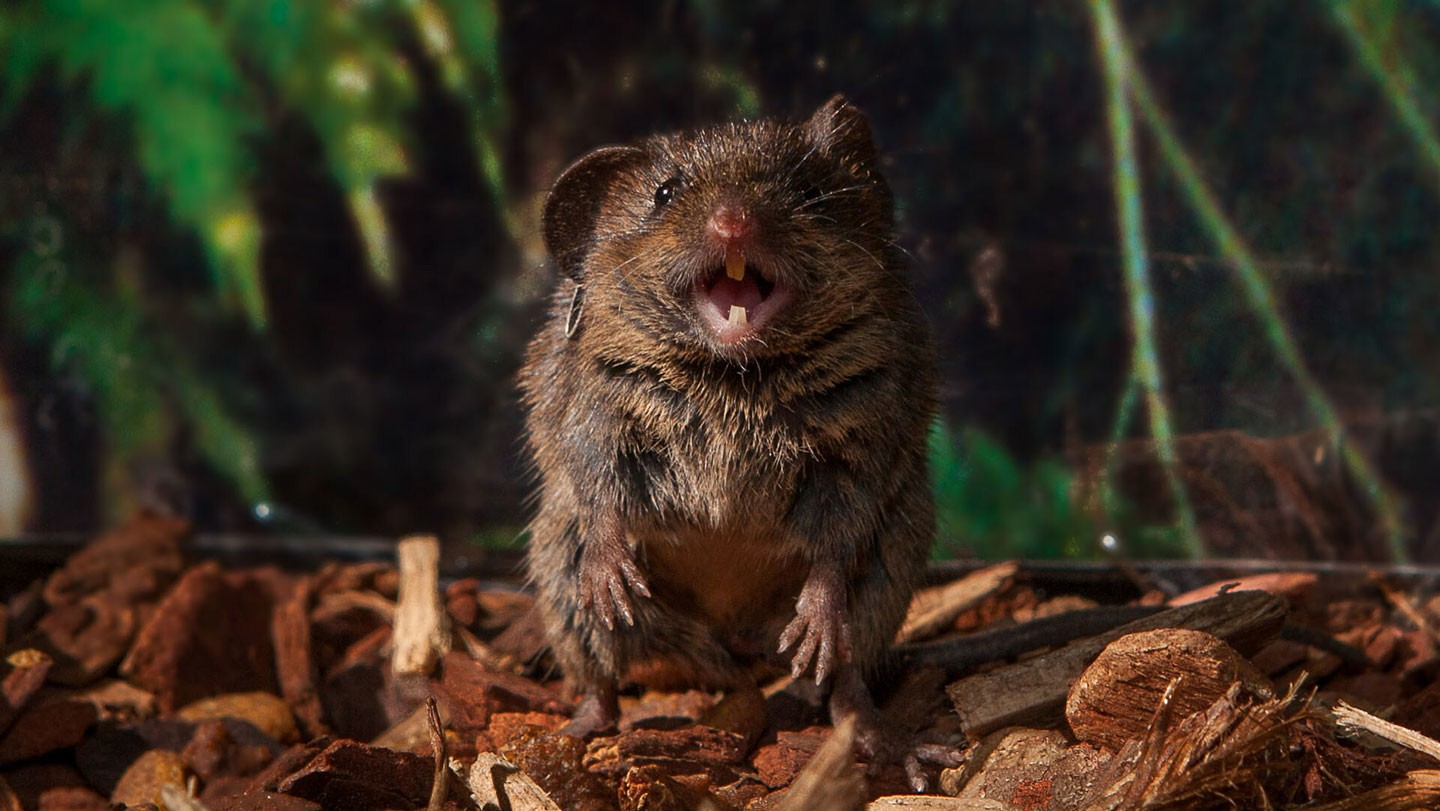
You know that high-pitched chirp? The one only mice and ultrasound mics can catch.
Humans hear birds. We ignore the rodent symphony. But house mice sing. Loudly. Often.
Scientists call it ultrasonic courtship songs. It’s not random noise. It’s complex. Structured. Deliberate.
A mouse in heat wants a mate. He approaches. He sings. If she likes it, they pair up. If not, he tries a different tune or finds another mouse. Simple biology. Complex execution.
“It’s the animal equivalent of a guitar solo,” one biologist told me. “He’s trying to show off.”
Here’s the problem. For decades, researchers couldn’t record these songs clearly. Microphones missed them. Algorithms struggled to sort the syllables.
That changed recently. Better tech. More data. And a lot of patience.
Now we know mice vary wildly. Some sing fast staccato bursts. Others drag out long, sweeping tones. Some repeat phrases obsessively. It sounds like jazz improvisation, almost. Or maybe just anxiety. Who knows.
But the real mystery isn’t that they sing.
It’s where.
The Hidden Voice Box
Birds sing. Primates babble. Mice whistle. But they lack the obvious hardware we expect from singers. No syrinx. No complex laryngeal folds like whales or humans.
So where does the sound come from?
Most scientists guessed it was the lungs pushing air through a tight throat constriction. A respiratory tract trick. Force the air. Create vibration. Make noise.
Turns out, that’s mostly true. But there’s a twist.
Researchers mapped the pressure points during a song. They found that specific muscles control the pitch with surgical precision. Not just the lungs. The larynx moves. Actively. It changes shape mid-syllable.
This implies a neural pathway for motor control we didn’t know existed.
Mice have brains smaller than your thumbnail. Yet they coordinate breathing, vocal fold tension, and pitch modulation simultaneously. To sing.
That requires coordination. A system of parts working together in milliseconds.
Why do it?
Mating, obviously. But also social structure. Male mice live in groups. Dominant males sing more. Subordinates stay quiet or sing weaker tunes. It’s a status signal. A biological resume.
Silence is golden. Song is survival.
What It Means
We study bird songs because they’re pretty. We study whale calls because they’re weird. We study mouse songs because mice are everywhere. And they are changing us, through genetics and disease models, more than any other animal.
If we understand how mice produce speech-like signals, maybe we understand our own vocal roots.
Primates and rodents share a distant ancestor. One branch got feathers and flew. The other got hair and scurried. Both kept the urge to communicate.
The mechanism differs. The impulse is identical.
Does it matter? Maybe not to you, right now, sipping coffee while ignoring the mouse in your walls.
But think about the complexity hidden in the shadows. Tiny creatures. Giant efforts. Singing their hearts out in frequencies we can barely imagine.
They’re always performing. We just never brought the right microphone.
Do we listen to the ones that can’t scream? Probably not. But someone is listening now. The mice keep singing regardless. The data stacks up. The tunes evolve.
Next time you hear a scuffle in the ceiling?
Check your audio settings. You might miss the chorus. 🎤