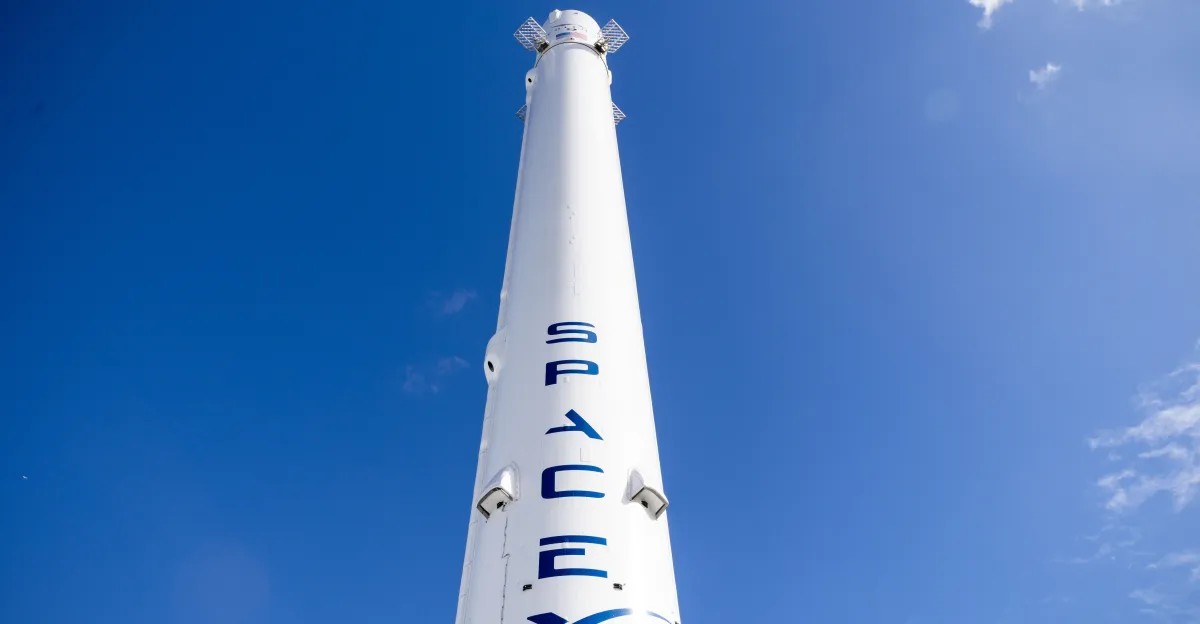
The SpaceX IPO has landed.
It isn’t just about the potential trillionaire status or the historic public offering. It exposes how much money shuffles around in Musk’s private ecosystem. A mess. Hard to track.
Look at the S-1 filing. Just CTRL+F.
Tesla comes up 87 times. xAI appears 356 times. Grok 243. X 267. Even the Boring Company gets seven mentions. Neuralink three. Optimus once. Three hundred thirty pages of rocket dreams and interplanetary fantasies. But trace the money, you see the web.
Shareholders buy into one thing but hold stakes in others.
Tesla owns nearly 19 million shares in SpaceX Class A stock. Less than 1% of the total. It’s a small stake. But after Musk merged his AI unit with his space company, Tesla’s xAI shares were converted.
Then there is the hardware.
SpaceX bought $131 million in Cybertrucks from Tesla. At MSRP. A Bloomberg report said they grabbed 1,279 of them late last year. The IPO filing suggests maybe more. Without SpaceX as a captive buyer, those Cybertruck numbers might look different. Year over year? They likely would have dipped.
Energy needs stabilize. Tesla’s Megapacks are powering SpaceX’s Memphis data centers during peak loads. That cost the rocket firm $697 million across 2024 and early 2025.
“We… and entities owned by or affiliated with Mr. Musk… may directly or indirectly, compete… for investment or business opportunities.”
The Boring Company is smaller change. A quaint side plot. They paid SpaceX $1.2 million for office leases. SpaceX paid the Boring Company $1 million to dig a tunnel at headquarters. Balanced books, mostly.
Valuation? $1.25 trillion after the xAI merger.
Investors buy at a historic high. But Musk combined these firms at a steep personal cost. And for SpaceX too. About $20 billion in capital spending went to xAI in 2025. That is 60% of the budget.
Did xAI pay off? Not really. TechCrunch notes losses in the billions last year despite revenue growing by 22%.
Every company lists risks. S-1s require it. You put your money down so investors know about the skeletons in the closet. For SpaceX the biggest skeleton is also the prize.
Elon Musk.
The filing is blunt. SpaceX is “highly dependent” on his services. His leadership. His vision. His technical expertise. Without it the ship stops.
But he is everywhere.
Musk admits he isn’t 100% focused on rockets. His businesses might cannibalize each other. Conflicts of interest will happen. The filing says Musk is not “restricted” from competing with SpaceX. Direct competition is allowed.
This isn’t a standard risk factor list.
He serves as Technoking of Tesla. He advises the US President. He runs Neuralink. If his involvement wavers the company takes a material adverse hit. Just ask Tesla shareholders in 2025.
Media attention is another risk.
His actions, statements, whatever. They draw scrutiny. They impact stock price. They change regulator relationships. Positive or negative, it happens.
Musk could make billions if he builds a Martian colony. At least a million people. But he is also a magnet for controversy. Bad reputation can drag a company down. His firms compete for RAM, AI chips and components. Scarce stuff.
Shareholders push back.
In 2024 Tesla investors sued Musk. Claiming he diverted talent to xAI. The case is pending.
Who keeps score in this ecosystem?