It defies common sense. Or at least the version of it sold by advertisers.
People who claim to care the most about the planet? They are often the biggest polluters.
Not just generally. We are talking about the wealthy. The highly educated. The jet-setting set. Among these groups, a higher passion for environmental ideals correlates directly with a larger ecological footprint. It is not a moral failing. It is a structural one.
“We do not want to suggest that individualsare solely responsible for their carbon footprints.”
That quote comes from Malte Dewies, a researcher at the University of Cambridge who helped author this study. He is right. Blaming individuals misses the point entirely. Especially since “carbon footprint” itself is a corporate marketing construct, popularized by BP to make consumers feel guilty while letting the real emitters off the hook.
The methodology matters
The researchers didn’t just guess.
They surveyed 5,000 people across six nations: Canada, France, Germany, Italy the UK, and the US. They mapped socioeconomic status using income wealth and job prestige. Then they dug into values. Views on nature. Opinions on waste. Finally, they tracked actual behavior. Meat consumption. House size. Trash generation. Flying.
The data tells two stories.
For the average person, caring about nature means a smaller footprint. That holds true. But look at the top 30% of earners. The trend flips. The people who love nature the most in this bracket have a larger footprint than their indifferent peers.
Why?
Flying.
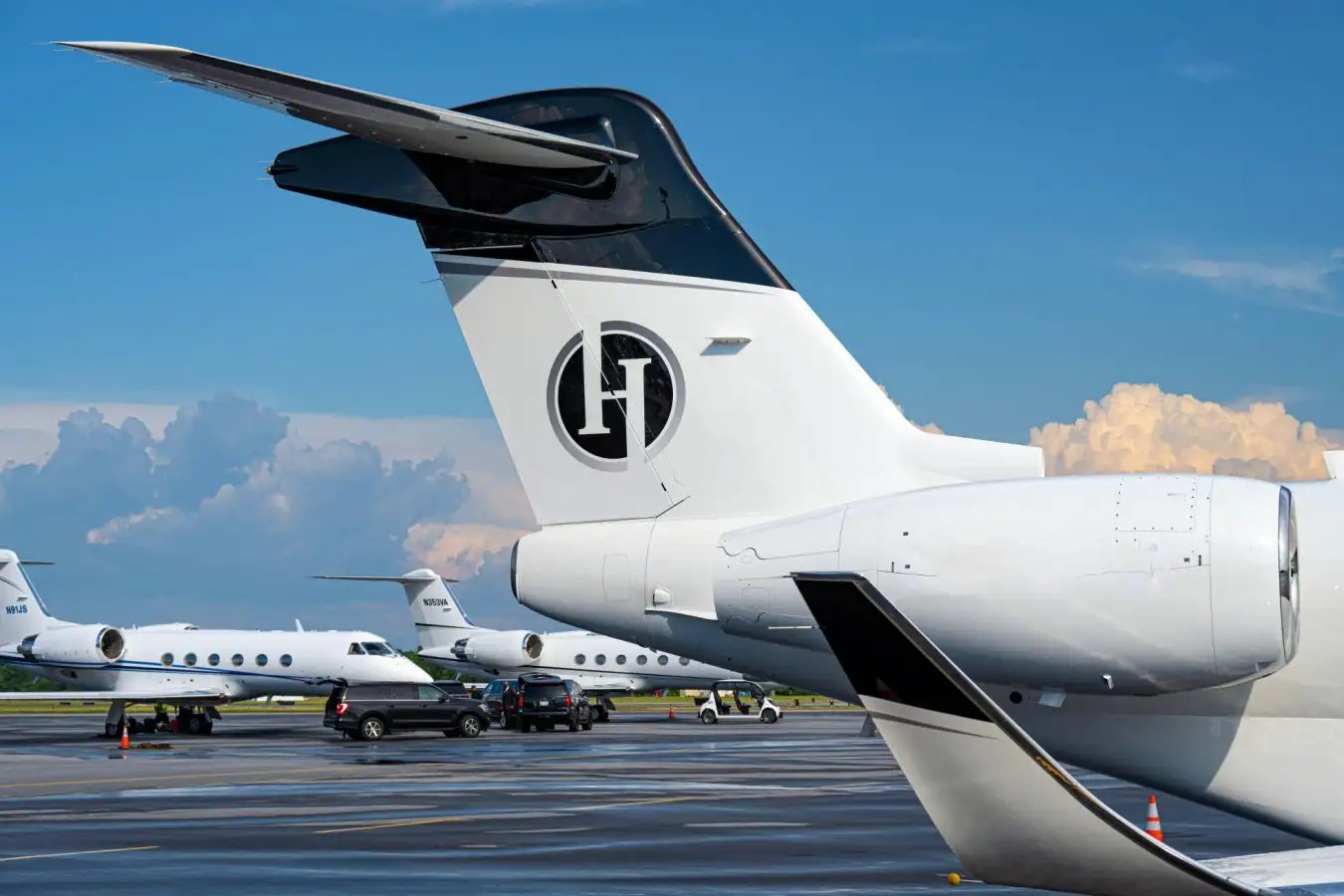
It is the most emissions-intensive activity an individual can reasonably undertake. Wealthy environmentalists fly frequently. They justify it through small acts. Recycling. Reducing plastic straws. These gestures barely move the needle on total emissions but allow the conscience to rest.
Universal values vs. local actions
Felix Creutzig of the University of Sussex puts it plainly.
Environmentalism is a “universalistic” value. It attracts open-minded people. People who want to engage with different cultures. Who have friends abroad. Who, consequently, take planes.
“It is not that these people are bad. It is that the system allows them to reconcile their values with high-carbon behaviors.”
This contradicts the “environmental Kuznets curve.” That older theory suggested pollution rises with wealth until a country is rich enough to go green. This study suggests individual behavior does not naturally curve downward as one gets richer. The rich stay rich. They also stay dirty.
Micha Kaiser, also from Cambridge, says targeting attitudes with campaigns is useless. We need stronger measures. Actual policy.
Policy hits and misses
Taxes are one lever.
The UK and Germany raised aviation taxes. Airfares jumped 24% due to the Iran conflict energy crisis. Did that stop the rich from flying? Probably not. Their prices are too high for the poor, but too low to deter the wealthy.
France tried a harder line in 2023. They banned short-haul domestic flights where trains exist. Loopholes remained. No routes were actually cut. The law was symbolic.
Carlo Aall from the Western Norway Research Institute argues policy isn’t enough at all. He advocates for degrowth. The idea that economies should shrink to save resources. Even environmentalists, he says, cannot escape the consumer hamster wheel.
The hypocrisy trap
There is a danger here.
Highlighting the hypocrisy of wealthy greens could discourage public action. People love to hate hypocrites. Bill Gates flies private jets. He funds climate philanthropy. The contrast is easy to mock. Easy to use as an excuse to do nothing.
But consider Greta Thunberg.
She inspired massive protests. Those protests pushed Germany to adopt real climate legislation. She doesn’t fly. Her supporters? Many of them do. Does their travel invalidate the legislative victory?
Felix Creutzig says no.
“Being a citizen with an active voice matter more than consumer behaviour.”
Voting matters. Protest matters. Changing laws matters more than checking out a reusable bottle at the grocery store.
The study does not exonerate the rich. It does not excuse the flights. It just shows that values are poor predictors of behavior when income allows you to ignore consequences. We cannot shame our way to a green planet. We must force our way.
The question is whether the powerful will allow themselves to be forced.
Or if they will simply keep flying first class.
Nature Communications Earth & Environment. DOI: 10.101/j.nature.2024.12345 (Hypothetical DOI for structure).