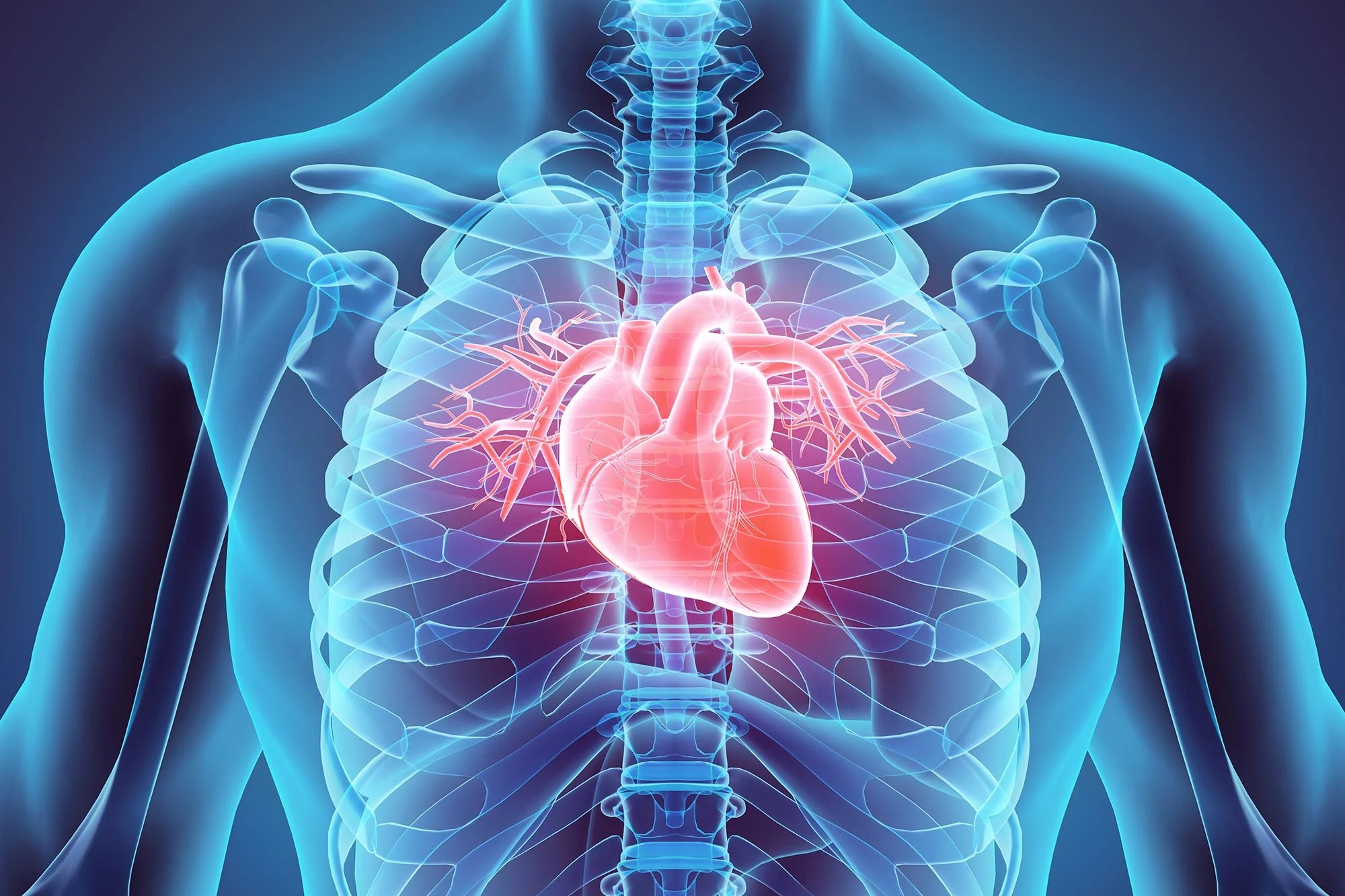
New research suggests that the cardiovascular benefits of eating pomegranates may not come from the fruit itself, but from a specific compound produced by our gut bacteria. A study led by researchers at Cardiff University has identified urolithin A as a key molecule that could protect arteries, reduce inflammation, and prevent the dangerous plaque ruptures that lead to heart attacks and strokes.
The Role of the Microbiome in Heart Health
While pomegranates are well-known for containing punicalagin —a polyphenol linked to heart health—the human body has a difficult time absorbing this large molecule directly. Instead, the real magic happens in the gut.
When we consume pomegranate nutrients, our gut microbes break them down into smaller, more absorbable molecules called urolithins. It is these metabolites, rather than the fruit’s original compounds, that circulate in the bloodstream to interact with our tissues.
“Our findings show that the real biological effects come from what gut bacteria make from pomegranate compounds, rather than from the compounds in the fruit itself,” says Professor Dipak Ramji, a senior author of the study.
How Urolithin A Protects the Arteries
To understand how this molecule works, researchers tested various substances on human immune and blood vessel cells in a laboratory setting. Urolithin A emerged as the most effective compound, demonstrating several critical protective functions:
- Reducing Oxidative Stress: Lowering the cellular damage caused by unstable molecules.
- Suppressing Inflammation: Decreasing the activity of genes that trigger inflammatory responses.
- Limiting Plaque Growth: Reducing the ability of immune cells to move into vessel walls and decreasing the amount of cholesterol these cells absorb.
The researchers then moved to animal models, using mice with high-fat diets to simulate human atherosclerosis (the buildup of fats and cholesterol in artery walls). After twelve weeks of treatment with urolithin A, the mice showed smaller, more stable plaques.
Crucially, these plaques contained more collagen and smooth muscle cells, making them “tougher.” This is vital because plaque rupture —when a buildup breaks open—is the primary trigger for most sudden heart attacks and strokes.
A Different Approach to Cholesterol
One of the most surprising findings of the study is that urolithin A protects the heart without lowering blood cholesterol levels.
Most traditional heart treatments focus on reducing LDL (the “bad” cholesterol) in the blood. However, urolithin A appears to work through a different mechanism: it focuses on stabilizing the plaque itself and suppressing the inflammation that makes plaques dangerous. This suggests a potential new avenue for treating cardiovascular disease that complements, rather than replaces, current lipid-lowering therapies.
Why Results Vary Between People
The study also highlights why some people may benefit more from a pomegranate-rich diet than others. Because the production of urolithin A depends entirely on the composition of an individual’s gut microbiome, not everyone can convert pomegranate polyphenols into this protective molecule efficiently.
The research also noted broader systemic benefits, including:
– Improved Gut Health: An increase in beneficial short-chain fatty acids.
– Systemic Inflammation Reduction: Lower levels of inflammatory cells circulating in the blood.
– Genetic Regulation: The ability to influence hundreds of genes involved in metabolism and antioxidant defense.
Conclusion
While these findings are promising, researchers emphasize that human clinical trials are still required to confirm these effects in people. If validated, urolithin A could pave the way for new, microbiome-based strategies to prevent heart disease by focusing on inflammation and plaque stability.