It sits in parmesan. It hides in mushrooms. Spermidine is one of those quiet little compounds your body already knows, yet scientists have just given it a second look. And not for flavor.
The goal: boost the vaccine response in older adults who just don’t respond the way they used to.
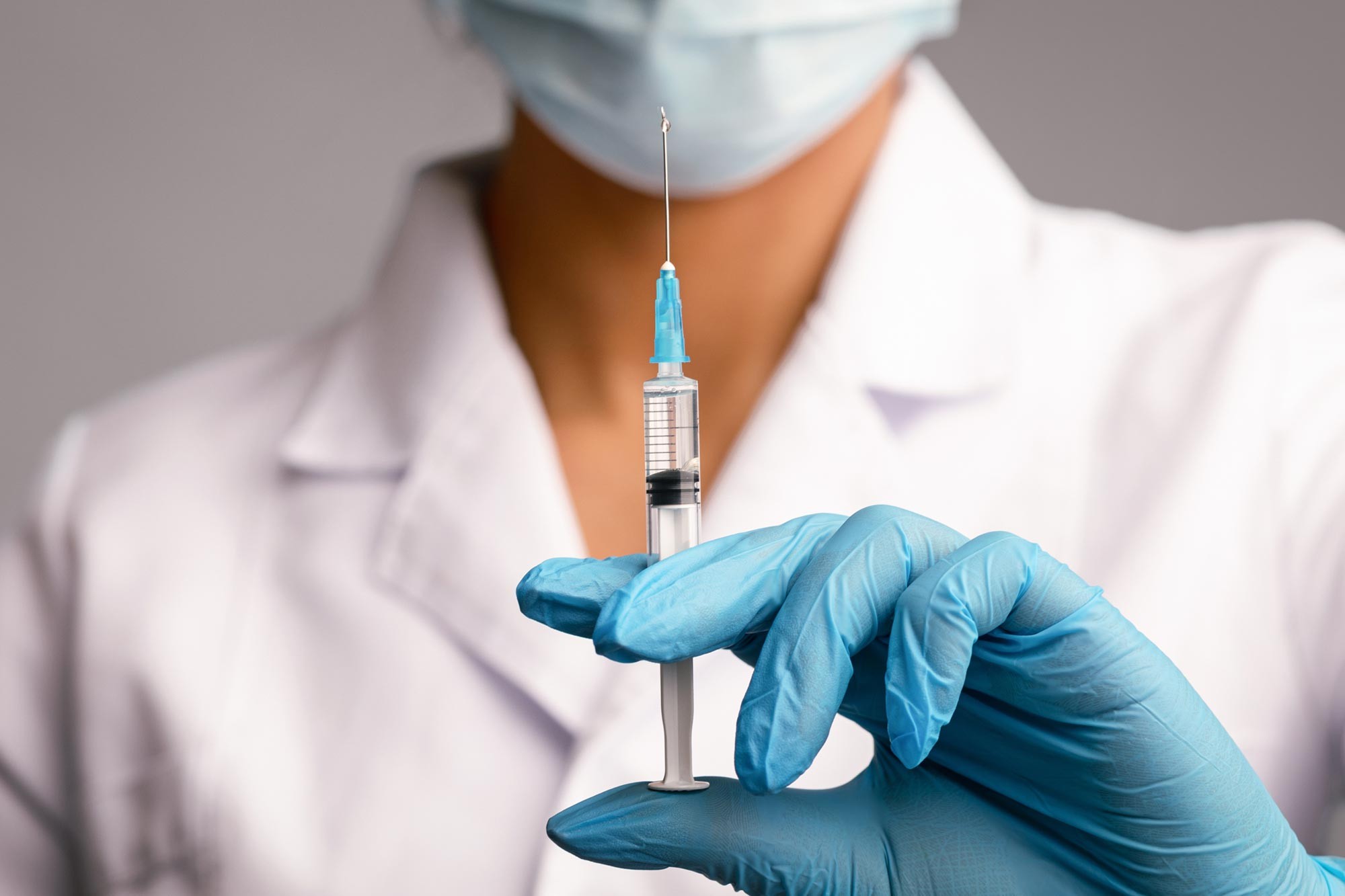
The shot goes in. The immune system is supposed to wake up, mobilize, and build defenses. Sometimes it does. Sometimes, especially in older adults, it just… blinks.
The cells get tired. They accumulate damage. Efficiency drops. This process, called immunosenescence, makes the shield weaker. Vaccines work, yes. But the protection might be thin. Fragile. Not enough.
Dr. Katja Simon and Dr. Ghada AlsaleH, working between the Max Delbrück Center and the University of Oxford, decided to test a fix. They looked at spermidine. A daily dose of six milligrams. Just that.
Why spermidine? Because it’s a janitor inside the cell. It helps with autophagy, which is a fancy word for cellular housekeeping. When a part wears out, the cell usually recycles it. As we age, the recycling bin clogs up. Spermidine unclogs it.
They recruited forty healthy people over the age of about 65. Everyone got their third COVID-19 shot. Then, half the group took the supplement for 13 weeks. The other half? A placebo. Nothing happened for them.
Wait for the result.
About one-quarter of the participants were “non-responders.” Weak antibody levels even after three doses. Their cells showed clear signs of biological aging—more DNA damage, markers of senescence. Broken parts piling up.
Those same non-responders took the spermidine. Their antibodies went up. Specifically, against SARS-Cov-2. Their neutralizing activity improved. Their blood fought better in the lab. The compound lowered those aging markers and fired up the cleanup crew.
The safety data? Clean. No side effects.
Wasn’t that easy? It shouldn’t have been this simple. But it was a pilot study. A small group. You need bigger trials before you hand out supplements with your flu shots every autumn. Does it work with other viruses? We don’t know yet.
For now, it is just a promise. A hint that aging immune systems might not be as set in stone as we thought. That the garbage needs to be taken out.
Some do not develop strong protection. Even after repeated vaccination. This changes the rules for a specific, vulnerable group.
You can eat more wheat germ. Or cheese. It feels low-stakes, doesn’t it? But for someone whose shield is cracking, even a little mortar matters. We are still waiting for the large studies. We are watching the data. And wondering if the answer to our declining defenses has been on the dinner table all along, or just waiting in the cell itself, buried under the mess of years.