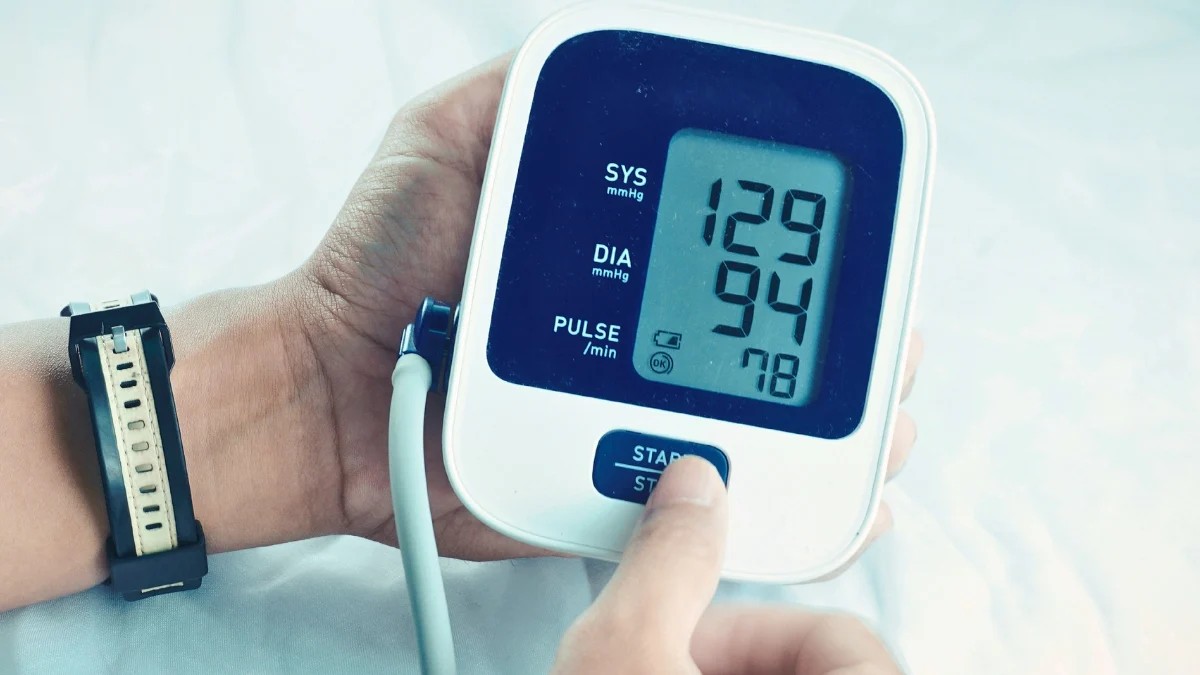
For decades, the Body Mass Index (BMI) has been the gold standard for determining whether an individual is overweight or obese. However, a new study suggests that this common metric might be failing us when it comes to predicting one of the most dangerous “silent killers”: hypertension (high blood pressure).
Researchers from Finland and the United States have proposed a simpler, more effective alternative: the Waist-to-Height Ratio (WHtR).
The Flaw in the BMI Model
The fundamental problem with BMI is its lack of nuance. BMI calculates a person’s weight relative to their height, but it cannot distinguish between muscle mass and body fat.
This distinction is critical for cardiovascular health. For instance, an athlete with high muscle density might be classified as “obese” by BMI standards, even though they possess low body fat and minimal cardiovascular risk. Conversely, an individual might have a “normal” BMI but carry significant visceral fat around their midsection—the kind of fat that directly contributes to metabolic disease.
As epidemiologist Mahidere Ali from the University of Eastern Finland explains, BMI often fails to isolate the influence of fat mass because muscle mass “confounds” the results, potentially obscuring the true relationship between body composition and hypertension.
Why Waist-to-Height Ratio Wins
The study, which analyzed data from over 19,000 adults and children, found that WHtR is a far more precise indicator of hypertension risk. The researchers categorized participants into three groups: normal fat, high fat, and excess fat.
The results were striking when compared to BMI:
- Predicting Hypertension: Individuals in the “excess fat” category were 161% more likely to suffer from hypertension compared to those with normal fat levels. In contrast, the BMI metric showed no significant association with hypertension in its overweight or obese groups.
- Predicting Elevated Blood Pressure: Those with excess fat were 91% more likely to have elevated blood pressure, outperforming the 71% likelihood predicted by BMI.
By focusing on the waist, the WHtR measures adiposity (body fat) more directly, which is a primary driver of blood pressure issues, type 2 diabetes, and fatty liver disease.
A Scalable Solution for Public Health
The implications of this shift are significant for global healthcare systems. Both the United States and other developed nations are currently struggling with the dual burden of unmanaged obesity and uncontrolled hypertension.
The WHtR offers several advantages for large-scale health management:
– Simplicity: It requires only a measuring tape and a person’s height.
– Accessibility: It is an inexpensive tool that can be used anywhere, from doctor’s offices to home settings.
– Early Detection: Because it more accurately flags risk, it allows for earlier medical intervention and lifestyle changes.
“WHtR is a simple, scalable tool that can strengthen early screening and improve detection of adiposity-related cardiovascular risk,” says Ali.
Conclusion
While BMI remains the clinical standard for now, the evidence suggests that moving toward waist-to-height ratios could provide a much clearer picture of metabolic health. By focusing on where fat is stored rather than just how much a person weighs, healthcare providers can better predict and prevent life-threatening cardiovascular diseases.