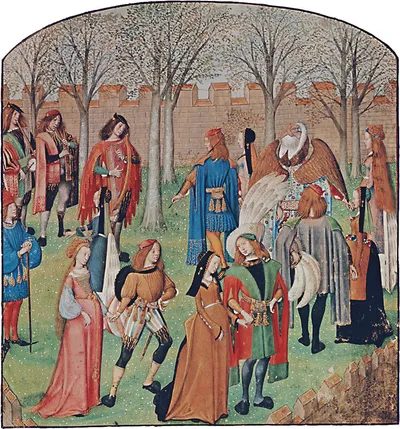
It wasn’t just a waltz with better posture. The pavane was the stiff, majestic processional dance that dominated European aristocracy from the 16th to the 17th century. Think of it as the original red-carpet moment. For about 150 years, this was the move that opened ceremonial balls. It was less about athletic prowess and more about showing off expensive, elegant dresses while moving with slow, deliberate grace.
Origins and Italian Roots
Where did the pavane come from? The name likely stems from the Italian padovana, referencing Padua. The dance probably traveled from Italy to France and England, passing through Spain along the way. In southern Spain, the vibe was even more solemn. There, the pavane was performed in churches for serious occasions. It evolved from the basse danse, an earlier court dance, but adopted a heavier, more regal footprint.
How the Pavane Was Performed
If you were stepping into a pavane, the music would be in 2/2 or 4/4 time. Slow. Deliberate. The basic movement involved stepping forward and backward. Dancers would rise onto the balls of their feet and sway from side to side. They didn’t just march; they formed columns of couples that circled the ballroom. Occasionally, they even sang along. It was a display of poise, not speed.
By around 1600, the dance started to lighten up. Livelier steps like the fleuret —a brief lift of each foot before taking the next step—were introduced. This made the pavane less pompous and a bit more accessible. But it never lost its dignity entirely.
The Pavane and the Galliard
You rarely saw the pavane alone. It was customarily followed by its afterdance, the galliard. If the pavane was the slow walk into the party, the galliard was the after-party. It was vigorous, energetic, and completely different. This pairing of a slow, stately dance with a fast, lively one became a standard format.
Why the Pavane Matters in Music History
The pairing of the pavane and galliard was a forerunner to the instrumental dance suites that became popular in the 17th century. Composers didn’t just stop at dance music. They adapted the pavane for pure instrumental performance. You can hear it in the padouanas found in suites by Johann Hermann Schein.
Centuries later, the pavane lingered in the classical repertoire. Gabriel Fauré composed the Pavane for Orchestra. Maurice Ravel gave us the Pavane for a Dead Princess. These pieces didn’t require dancers. They just required an audience to feel the weight of the history.
The pavane wasn’t just a step. It was a statement. And even when the music stopped, the echo remained in the suites that followed.