It’s nearly full. Just about.
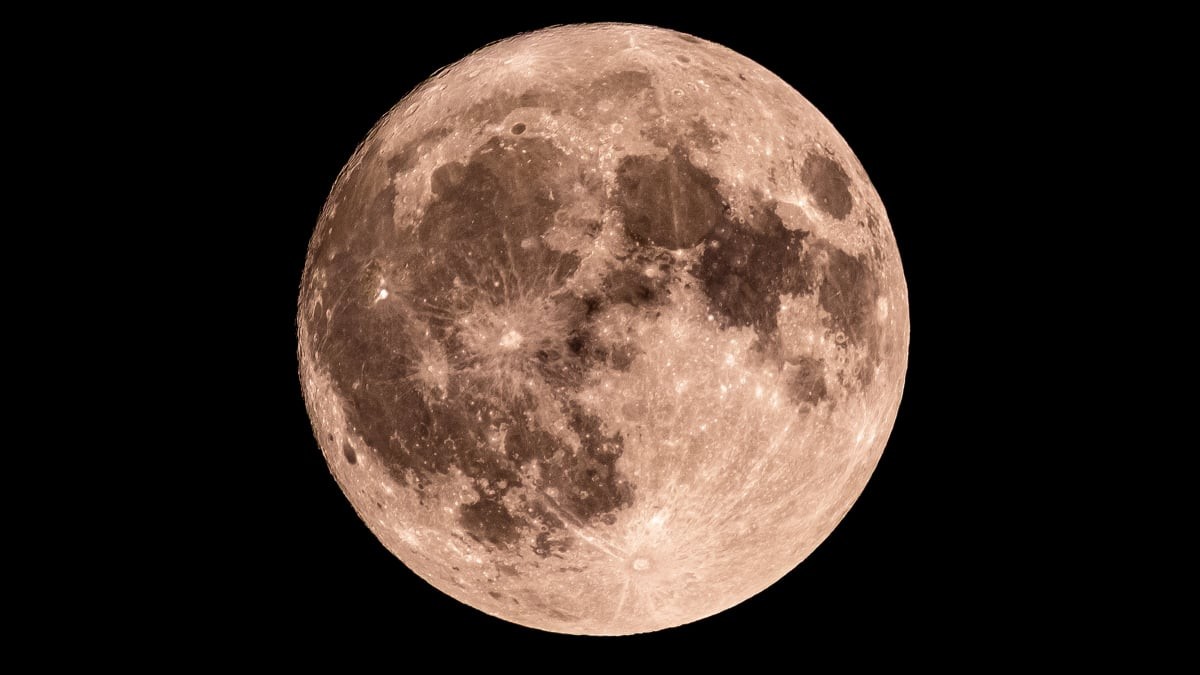
The moon is currently in its waxing gibbous stage. Specifically, July 26 2028 brings us 90% illumination according to NASA’s daily trackers. The actual full moon is still three days out. That leaves us with a bright disc that dominates the night sky. It feels like the peak of the lunar cycle, even if the astronomy police aren’t quite there yet.
You can see it tonight. Look up. It’s massive and yellowish-white, hovering over the horizon if you’re in the Northern Hemisphere. But don’t just stare at the glare.
How to View the Waxing Gibbous Moon on July 26
This specific phase offers a unique window for observation. The shadows are long and sharp near the terminator line—the boundary between light and dark. That contrast makes surface features pop in a way that the blinding brightness of a true Full Moon often washes out.
Here is what you need to look for, depending on your gear:
- Naked Eye: You will spot the three largest mare regions immediately. They look like dark smudges on a pale coin. Specifically, look for Mare Fecunditatis, Mare Serenitatis, and Mare Tranquillitatis.
- Binoculars: Step it up a notch. You’ll see the Alp Mountains. The Archimedes Crater becomes a distinct dot. Gassendi Crater reveals a complex floor. The lighting here is dramatic. You get texture.
- Telescopes: This is where it gets good. You’ll spot the Apollo 12 landing site (if you want to be pedantic about history). The Schiller Crater looks like a jagged hole. The Caucasus Mountains rise up like a broken spine.
Why Does the Moon Phase Matter for Astronomy?
People ask about the full moon. Everyone talks about the full moon. But for amateur astronomers, the waxing gibbous is arguably better. Why?
Because shadows create depth. A fully lit sphere looks flat. It’s like looking at a painted plate. A waxing gibbous moon? That’s topography. You see ridges. You see crater walls casting long, eerie shadows into the void. You understand the shape of the terrain.
The moon takes roughly 29.5 days (a synodic month) to orbit Earth. During this time, sunlight hits different angles. We see the changing illumination. That’s the basic mechanism. The side facing us stays constant. The lit part shifts.
The Lunar Cycle Explained
NASA breaks the lunar cycle down into eight distinct phases. It’s a predictable loop.
- New Moon: The moon is between Earth and the sun. The face we see is in shadow. It’s invisible. You might see a silhouette against the sun’s glare, but mostly? Nothing.
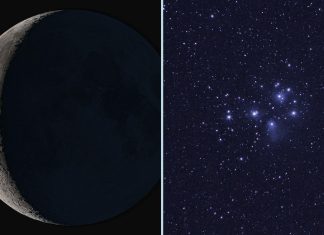
- Waxing Crescent: A tiny sliver of light appears on the right. It grows.
- First Quarter: Half the face is lit. It’s not half-full in terms of volume, but in terms of visible surface area from Earth, yes. It looks like a semi-circle.
- Waxing Gibbous: This is where we are today. More than 50%, less than 100%. The light is expanding.
- Full Moon: Complete illumination. The whole disk is visible. This happens on July 29 this month.
- Waning Gibbous: The light starts shrinking. The left side (in the Northern Hemisphere) remains lit while the right fades.
- Third Quarter: Another half-moon. Now the left side is the bright one.
- Waning Crescent: A thin sliver remains. Then darkness again. The cycle restarts.
It’s simple geometry. Earth orbits the sun. The moon orbits Earth. We just watch the light change.
When is the Next Full Moon?
Mark your calendar. July 29 2026.
That’s the date for the true Full Moon. It’s close enough that you won’t notice the difference with the naked eye tonight, but if you take a photo on July 26 and then one on July 29, the shadows will be different. The terminator on the 29th will have moved further right (or left, depending on how you view it).
The moon’s orbit isn’t a perfect circle. It’s elliptical. This affects how close it is to Earth. That’s why we get supermoons sometimes. And micromoons other times. But that’s a story for another night.
For now, enjoy the 90%. It’s bright enough to read by. It’s bright enough to cast a shadow that looks almost black. And