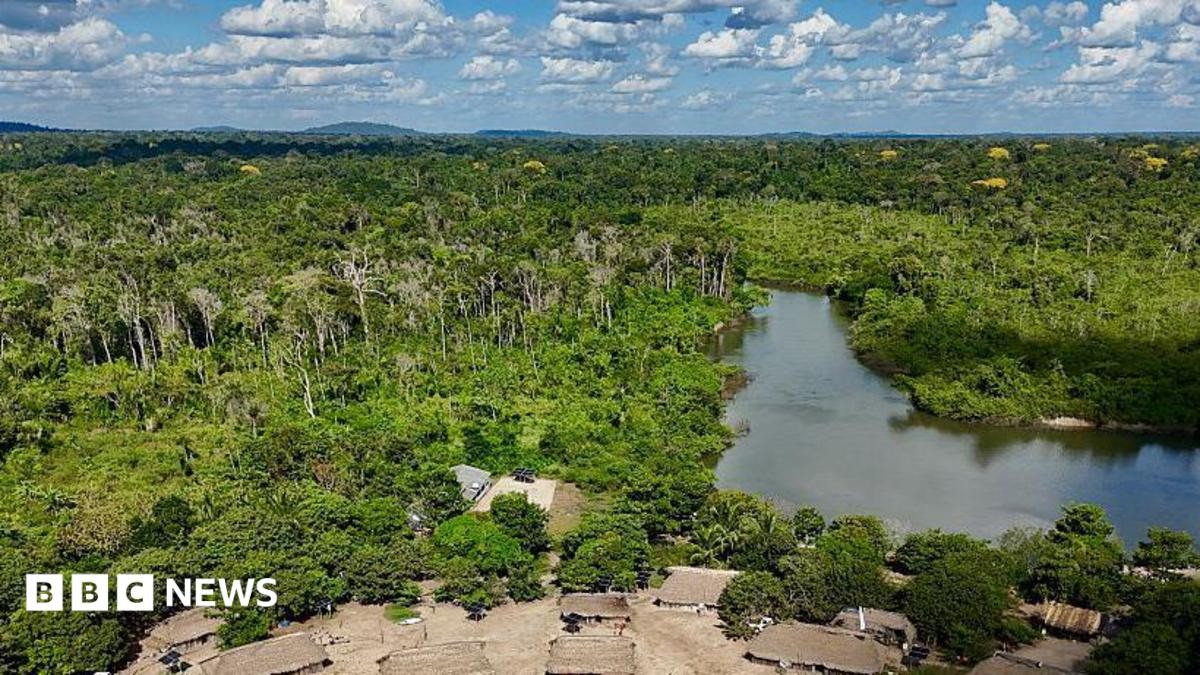
The Amazon burned significantly less land in 2025 than it did the year before.
Data from MapBiomas shows that 3.1 million hectares were consumed by fire across Brazil’s portion of the rainforest last year. That is a massive drop from the record-breaking 15.8 million hectare figure recorded in 2024.
This isn’t just a blip. It is the smallest area burned since MapBiomas began tracking the region in 1985.
Why this matters for Brazil’s election
These numbers aren’t just statistics. They are political fuel.
President Luiz Inácio Lula da Silva promised to protect the Amazon when he first took office four years ago. Now, with a re-election bid coming up in October, these figures serve as a tangible victory marker for his administration.
But don’t mistake a single year of good news for a solved problem.
2024 had been brutal. It was the worst fire season in over two decades. The Copernicus Climate Change Service attributed those infernos to a toxic cocktail of “climate extremes and human activity.”
So why the sudden drop?
Part of it is luck. Weather.
2024 was shaped by a blistering El Niño. 2025 saw a shift to cooler La Niña conditions. This change eased the pressure, reducing the fuel for fires.
But relying on weather is a dangerous game. MapBiomas warned that El Niño cycles can push global temperatures higher, potentially extending dry seasons and ramping up fire risks again.
Is this trend secure?
Vera Arruda, who coordinates MapBiomas research and works with the Amazon Environmental Research Institute (IPAM), cautions against cheering too loudly.
“The 31% drop compared to the numerical historical average – driven primarily by the lowest fires recorded in 41 years in the Amazon is positive news,” she said.
She added a crucial caveat: it is not yet clear if this is a permanent fix.
“The decline doesn’t mean we can scale back prevention efforts.”
The reduction wasn’t limited to the Amazon either. Across all of Brazil, burned land fell to 12.7 million hectares in 2025 from 30 million the year prior.
For context, the previous national record for burned land was set in 2007 at 30.7 million hectares.
The 2025 decline partly reflects an easing of that 2024 crisis. But the underlying threat remains.
Human activity still drives much of this. Climate patterns are volatile.
Arruda pointed out that the 2025 data shows a 31% drop from the long-term average. It is statistically significant. It proves that policy interventions can reduce burned areas in the country.
Yet, the data is thin on how the specific political policies drove the weather-adjacent improvements versus how much was simply cooler temps.
What happens if El Niño returns stronger this year?
MapBiomas warns that the natural cycle could extend the dry season. Longer dry spells mean more tinder.
We have a window. A narrow one.
The Amazon burned less. That is real. It is historic. But treating it as a victory lap is how you lose the next war. Prevention efforts must hold, even when the skies are clear.