Two researchers at the National Institutes of Health. Charged. With smuggling mpox. And lying about it.
It’s happening now. The US House Committee on Energy and Commerce isn’t just watching. They are digging into the National Institutes of Health (NIH). Why? Because the allegations involve high-level science, broken customs rules, and a trip from the Republic of Congo that went wrong. Or wronger.
The Setup
Dr Vincent Munster is no rookie. He is the chief of virus ecology at the NIH’s Rocky Mountain Laboratories in Montana. He has written roughly 400 papers. They’ve been cited 69,000 times. A big name in the field. Claude Kwe was his research fellow. They work together often. In fact. Since 2023 alone. They have co-authored a dozen reports on mpox.
But here’s the thing. Scientists get paid to study viruses, not break the law. Or so the theory goes.
On January 25, Munster and Kwe landed in Detroit. They had just spent nine days in the Republic of Congo. The mission was to study the specific strain of mpox causing a massive outbreak there. Mpox isn’t just a rash. It brings fever. Swollen lymph nodes. Pain. In 2024, Africa saw over 80,000 suspected cases and 1,340 dead.
The airport officials noticed a large black plastic case. Big. Black. Suspicious, perhaps.
Customs agents asked what was inside.
The answer was simple. And completely wrong.
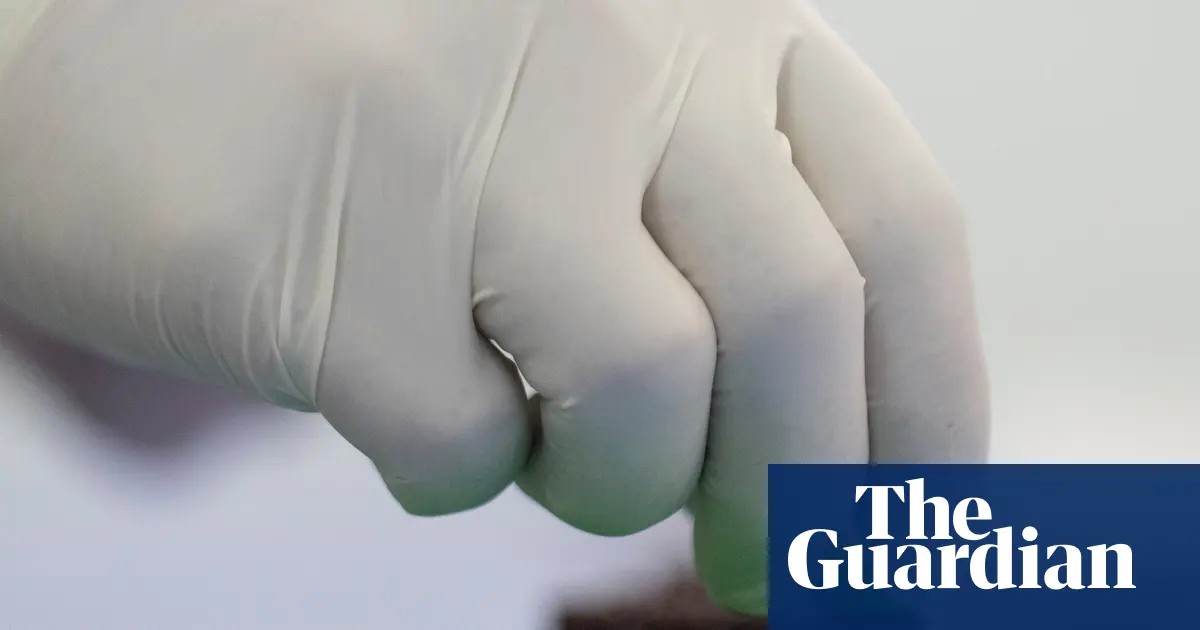
They claimed it was diagnostic equipment. Testing gear. Innocent stuff. But then agents opened the box. They found 113 sealed vials wrapped in styrofoam coolers. No paperwork. No declaration. Just viral material flying under the radar.
“You Won’t Need Them”
When asked for documents. Munster allegedly smiled. Or shrugged. The record says he said: “Yes yes. It’s all in my laptop. But you won’t need them. I do this all the time.”
Confidence isn’t a legal defense.
Lawyers analyzed twenty of the vials. Seventeen contained inactivated monkeypox virus. One had chickenpox. Two had human DNA. The rest remain unidentified. Even dead virus requires permits to fly. The rules exist for a reason. Both men are now charged with conspiracy to smuggle biological agents and lying to federal law enforcement.
“These NIH experts apparently broke our laws.”
That’s US Attorney Jerome Gorgon Jr. He told everyone to “let that sink in.” Special Agent Marcus Sykes from the Health and Human Services Office of Inspector General called it a breach of trust. A potential public risk. The public. Not just the scientists.
Montana Reacts
Munster and Kwe pleaded not guilty in Missoula. Montana is quiet. These cases usually aren’t. They posted bail. Turned in passports.
Congress doesn’t care about quiet. They care about answers.
A letter sent to NIH director Jay Bhattacharya on June 16 wants the whole timeline. Did NIH authorize the trip? Did they know about the samples? Why did no one flag this before it hit the news? The committee also wants to know if either researcher lied to their superiors before they lied to Customs.
It’s not just the smuggling. It’s the safety culture. Or lack thereof.
The Laboratory Context
Rocky Mountain Laboratories houses Biosafety Level 4 (BSL-4 facilities. This is the top tier of containment. Where you go to study Ebola. Where you touch bats. Where you handle the worst stuff we know.
Senator Tim Sheehy sees a pattern. Or a problem. He wrote to the Inspector General asking for an independent probe. His letter cites whistleblower claims about Munster. White Coat Waste has long argued his animal research is ethically murky. Biosafety-wise suspect. A national security risk.
Sheehy points to two past exposures at the lab. Both involving Crimean-Congo hemorrhagic fever. One from a monkey bite. The other from faulty protective gear. NIH confirmed these incidents. They happen. Accidents in BSL-4 labs are terrifying. Not surprising, given what’s in there. But scary.
There is also the question of access. Allegations claim Munster kept his key card after detention. That HHS didn’t revoke his clearance fast enough. The department did not comment.
NIH’s Line in the Sand
NIH spokespeople insist they moved fast. They said they implemented security protocols immediately in January. They claimed staff were safe. The public was safe. No risk.
“NIH leadership continues to prioritise biosafety.”
Standard language. For a standard crisis. That doesn’t erase the images of viral vials sitting in airport customs bins. Unlabelled. Unprotected by law.
Munster and Kwe face up to five years each. If convicted. Benton Martin. Kwe’s attorney. Says his client is innocent. He’s waiting for the courts to say so. Munster hasn’t answered any requests. Silence speaks. But it doesn’t prove anything.
So where does this leave science? We need research. We need to understand viruses before they jump oceans. But do we need to ignore the border laws to do it? Maybe not. But someone apparently thought yes.
Congress is waiting for answers. The lab doors remain open. For now.