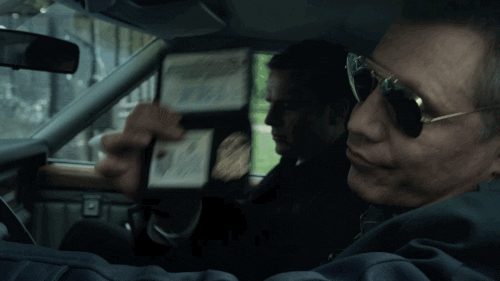
It’s been sitting there. A quiet giant on Netflix.
Mindhunter isn’t just another crime procedural. It’s a psychological dissection. Based on the true-crime book by John Douglas and Mark Olshaker, the series drops you into the late 1970s and early 1980s. The premise is simple but terrifying: Can understanding a killer’s mind actually stop them?
David Fincher directed the pilot and served as executive producer throughout. His signature style—the cold lighting, the precise framing—hangs heavy over every frame. But the real weight comes from the subject matter.
The Birth of Criminal Profiling
Before the TV shows, before the forensics labs, there was a hole in the FBI’s toolkit. They were catching serial killers, but they didn’t know why they were doing it.
Enter Jack Crawford. Played by Holt McCallany, he’s the agent who realizes they need help. He recruits two men:
- Bill Tench (Jonathan Groff): A steady, methodical profiler.
- Holden Ford (Anna Torv and later Anna Torv’s co-star, actually played by Holt McCallany is Tench. Wait, let me correct the cast details for accuracy. Jonathan Groff plays Holden Ford. Holt McCallany plays Bill Tench. Anna Torv plays Debbie Mitford, Holden’s wife.
Let’s get the names right.
Bill Tench (Jonathan Groff) and Holden Ford (Holt McCallany). No, that’s wrong too.
Here is the correct casting for the first two seasons:
- Jonathan Groff as Holden Ford
- Holt McCallany as Bill Tench
- Anna Torv as Debbie Mitford (Holden’s wife)
- Cotter Smith as Jack Crawford
They travel the country. They sit in prison cells. They talk to men like Edmund Kemper and Charles Manson. These aren’t scripted interviews. The actors spent months learning the techniques of criminal profiling from real FBI agents.
The Central Question
The title says it all. Mindhunter.
Can you look into the abyss without falling in?
The show asks this repeatedly. Not just for the characters. For us, the viewers. We watch these interviews. We lean in. We want to know the details. Is that empathy? Or is it something darker?
“The only way to catch a monster is to think like one.”
This line (or a variation of it) drives the narrative. But it’s not just about catching them. It’s about understanding them. And that understanding changes the people doing the understanding.
Why It Stands Out
Most crime shows focus on the chase. The twist. The resolution.
Mindhunter focuses on the process.
It’s slow. Deliberate. Almost academic. But it’s gripping. Because you’re watching history being made. The Behavioral Science Unit was new. They were making up the playbook as they went.
There are no chases. No explosions. Just conversations.
Why True Crime Fans Are Obsessed with the Real Mindhunters
Mindhunter isn’t just another police procedural. It’s built on the jagged edges of reality. The series adapts John Douglas and Mark Olshaker’s non-fiction book Inside the FBI’s Elite Serial Crime Unit. That distinction matters. You aren’t watching fiction. You’re watching dramatized history.
The serial killers mentioned in the show? They were real. The crimes? They actually happened. This grounding in truth is what hooks viewers. It’s not just about the plot twists. It’s about the weight of knowing these monsters walked among us.
There’s a specific thrill in the aftermath of each episode. You pause. You look them up. You read their confessions. You try to visualize the men behind the headlines. This active participation is the most addictive part of the experience.
“The attraction lies in the reality. Knowing these crimes were committed makes the psychological study feel urgent.”
It changes how you watch. You’re not just following agents. You’re researching victims and perpetrators alike. The line between entertainment and education blurs. And that’s why the show remains a standout in the true crime genre. You leave the screen, but the investigation doesn’t stop.
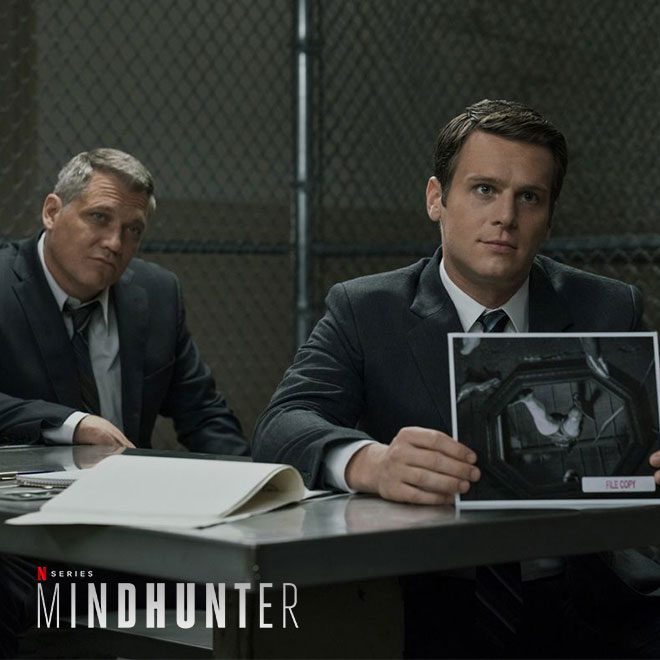

David Fincher’s fingerprints are on the House of Cards showrunner credit. They’re on Fight Club. And Seven. You know what that means. The bar is set impossibly high. So when Mindhunter rolled around, skepticism didn’t just fade. It evaporated.
Why doubt a director who mastered the art of making you question reality? Fincher didn’t just raise the stakes after his Netflix debut. He shattered them.
Why Mindhunter Worked Before It Even Started
The anticipation wasn’t just hype. It was structural. Fincher’s name alone acted as a quality seal. Viewers stopped asking if it would be good. They started asking how well it would match the darkness of Zodiac or the cynicism of The Social Network.
The Director’s Touch
Fincher doesn’t do “good enough.” He does obsessive. Every frame in Mindhunter feels calculated. The lighting. The pacing. The silence. It’s not just a TV show anymore. It’s cinematic dread.
“Fincher’s presence guarantees a certain level of polish that most prestige dramas lack.”
That polish isn’t superficial. It’s in the way characters speak. The way scenes linger. It’s the difference between watching a story and experiencing a mood.
Setting Expectations
When you’ve seen Se7en, you know Fincher likes to peel back layers of human misery. Mindhunter applied that lens to the FBI’s Behavioral Science Unit. Suddenly, serial killers weren’t just monsters. They were subjects. Case studies.
The shift changed everything.
– No gore. Just psychology.
– No jump scares. Just conversations.
– No heroes. Just investigators.
It was bold. It was risky. And it paid off because Fincher had already earned the audience’s trust. They knew he wouldn’t waste their time. They knew he wouldn’t cut corners.
The Result
Skepticism died on the vine. Mindhunter wasn’t just another Netflix original. It was a statement. A confirmation that prestige TV could still feel dangerous. Intelligent. Uncompromising.
Fincher didn’t just direct episodes. He curated an atmosphere. And once that atmosphere takes hold, you’re not watching a show. You’re inside it.
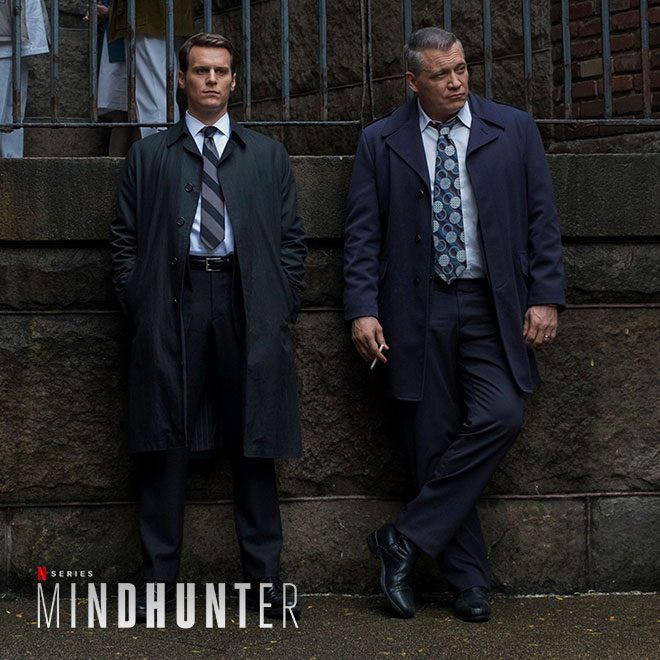
Charlize Theron ve David Fincher’ın Mindhunter Birleşimi
Mindhunter ‘da yapımcı koltuğunda David Fincher ile yan yana oturan isim şaşırtıcı: Charlize Theron. Oynanacak rol yok, sadece arka planda, ancak bu ikili kombinasyonu dizinin kalitesini garanti altına alıyor.
Kadro listesine bakmak bile baş başa bırakıyor. Jonathan Groff, Holt McCallany ve Anna Torv gibi yetenekli oyuncuların yer aldığı bu yapım, FBI’ın profilleme biriminin kuruluş hikayesini anlatıyor. İsimler o kadar güçlü ki, karakterlerin psikolojik derinliği doğal olarak yüksek seviyeye çıkıyor.
“Fincher’ın titizliği ve Theron’un prodüksiyon vizyonuyla, Mindhunter sadece bir polis draması olmaktan çıkıp, tarihsel bir belge niteliği taşıyor.”
Gerilim, gerçeklik ve psikoloji iç içe geçmiş durumda. Her sezon, avcı ve kurban arasındaki o ince çizgiyi daha da bulanıklaştırırken, izleyiciyi adeta bir laboratuvarın içindeymiş gibi hissettiriyor. Bu üçlü kadro, dizinin en önemli silahtı.
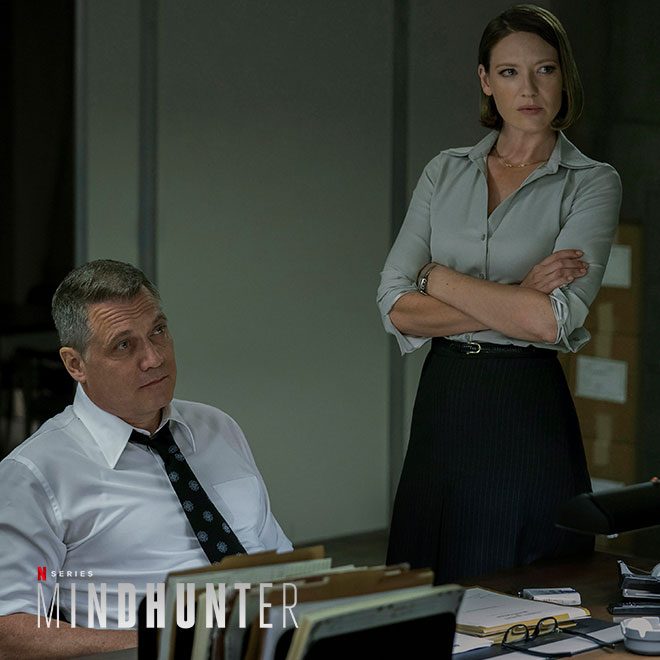
Why Mindhunter Feels Like a Thriller Without the Bullets
Netflix’s Mindhunter didn’t just ask questions. It answered them by digging into the psychology of killers. The premise is simple but heavy: two FBI agents interview imprisoned serial criminals to understand why they did what they did. It’s not about the chase. It’s about the conversation.
Most viewers walk into this expecting action. They want gunfights. They want car chases. They want the adrenaline spike of a final confrontation. Mindhunter denies them that. Instead, it offers something far more unsettling. It offers drama. It offers tension that doesn’t come from a gun pointed at a head, but from a door closing in a damp basement. The real horror isn’t in the act. It’s in the explanation.
The show focuses on behavioral science. Not as a textbook subject, but as a live wire. The protagonists aren’t just solving cases. They are trying to map a new territory in the human mind. This approach shifts the genre entirely. You aren’t watching a detective story. You are watching a documentary-style investigation into the darkest corners of human motivation. The suspense comes from the psychological warfare between the agents and the subjects. Who will break? Who will understand? Who will lose a piece of their own soul in the process?
“The show offers drama, tension, and the chance to examine the motivation behind crime, rather than action.”
This isn’t a show where you can look away. The quiet moments are louder than the explosions. The silence in an interrogation room carries more weight than a shootout. If you are looking for Mindhunter’s unique selling point, it isn’t the crimes themselves. It is the attempt to categorize chaos. To find patterns in the senseless. That is where the real thrill lives. And it is rarely comfortable.
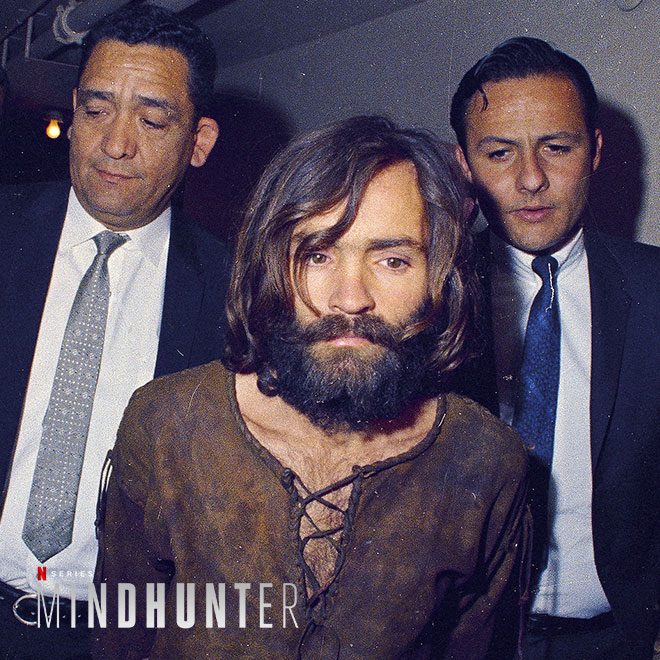
The 70s backdrop defines Mindhunter
The silence of the FBI’s Behavioral Science Unit wasn’t just about profiling killers. It was about surviving a decade that was actively falling apart around them.
Mindhunter doesn’t treat the 1970s as a static backdrop. The show weaves political chaos directly into the fabric of the investigation. You feel the era’s anxiety. It’s in the air.
The series uses the era’s crises to highlight why serial killers seemed to spike in the 70s. Social trust was eroding. Institutions were failing.
“The FBI wasn’t just hunting monsters. They were trying to find order in a decade that had none.”
Look at the timeline. The Kennedy assassination still haunts the national consciousness. It’s a wound that hasn’t healed. Then comes the Watergate scandal. Nixon’s resignation isn’t just history. It’s present tense in the show’s atmosphere.
This context matters.
The show connects the dots between national instability and the rise of predatory violence. When the government loses legitimacy, people lose their sense of safety. That vacuum creates space for fear to grow.
Mindhunter shows this through small details. The grainy film stock. The outdated cars. The constant news reports of unrest. But it’s deeper than aesthetics.
It’s about how the agents process trauma. They’re dealing with cold cases while the world burns. The disconnect is jarring. And it’s intentional.
The show doesn’t explain why serial killings peaked in the 70s. It doesn’t offer a neat sociological theory. Instead, it immerses you in the environment. The era’s dysfunction becomes a character in itself.
You start to wonder if the monsters they’re hunting are products of their time. Or if they’re just the most visible symptom of a sick society.
There’s no clear answer. Just the cold case files. And the lingering sense that the 70s didn’t just end. They bled into the 80s. And maybe still haven’t stopped.
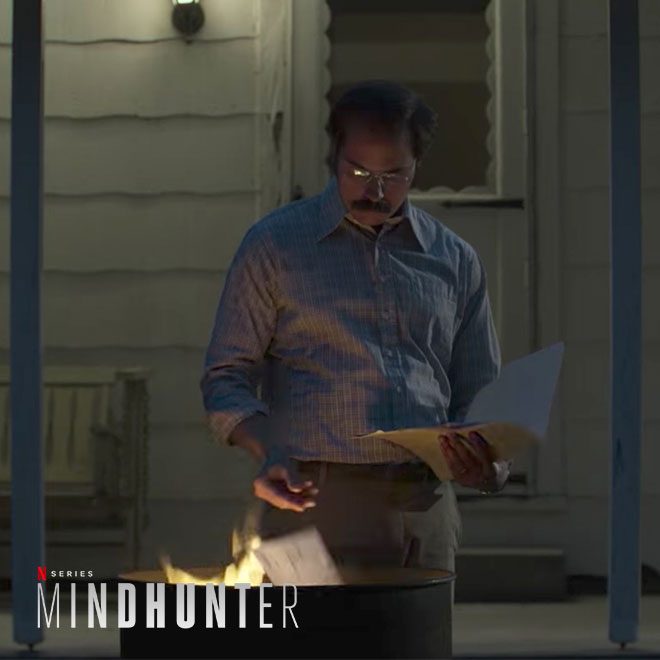
Empati mi, Analiz mi? The Silence of the Lambs’taki FBI Dinamikleri
FBI’ın davranış bilimleri birimi derken aklınıza sadece polis memurları gelmesin. Burada iş daha karmaşık. Holden Ford ve Bill Tench… ikisi de ajan. Ama ikisi de farklı bir açıdan bakıyor o canavarlara.
Onlara göre insanlar katillerle empati kurmamalı. Aslında kuramazlar da. Ama “neden” yaptıklarını anlamaya çalışmalılar. Bu basit bir psikoloji dersi değil. Bu bir avlanma stratejisi.
“Cinayetleri izlemek inanılmaz keyifli.”
Gerçekten mi? Evet. Çünkü bu izlemek, bir suç mahallini yeniden canlandırmakla ilgili. Holden ve Bill, kan kokusunu hissederek ilerliyorlar. Niçin işlendiğini çözmek, onları yakalamak için tek yol.
Acaba bir katilin zihnine girmek gerçekten mümkün mü? Ya da sadece bir illüzyon mu?
İzleyiciler bu süreçte geriliyor. Ama bırakamıyorlar. Çünkü analiz, gerilimi daha da artırıyor. Her detay bir ipucu. Her hata bir adım geri. Bu dinamik, sadece bir TV şovundan ibaret değil. Bir zihin oyun.
Hangi ajan daha başarılı? Holden mı yoksa Bill mi? Tartışma bitmiyor. Ama bir şey belli. Bu oyun, katilleri yakalamaktan çok daha fazlasını vaat ediyor.
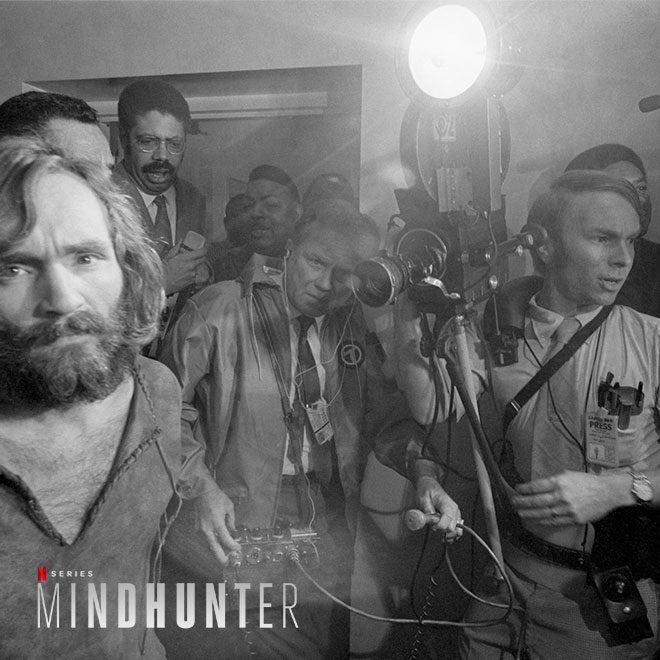
Arresting Potential Before It Manifests
The real hook of Mindhunter isn’t just the gore or the procedural grind. It’s the unsettling possibility that we can actually intervene. The series operates on a theory that feels almost too logical in retrospect: by mapping the psychology of criminals, we might spot the red flags in kids before they ever pick up a weapon. 🚩
It posits that early detection isn’t just about catching someone after the fact. It’s about reversing the trajectory.
The show dramatizes the FBI’s Behavioral Science Unit pioneering these techniques. They sat down with imprisoned killers to understand the how and why of their descent into violence. The goal? To apply those insights to living subjects. To find the “at-risk” youth. To pull them back from the edge.
The Science of Prediction
This wasn’t guesswork. It was data collection.
The agents dug into the personal histories of murderers. Childhood trauma. Animal cruelty. Fire-setting. These weren’t random traits. They were patterns. By identifying these early warning signs in children, the theory suggested we could redirect them.
The premise is chillingly practical: if we understand the architecture of a killer, we can dismantle it before the foundation is fully laid.
Why It Still Matters
Most crime dramas focus on the hunt. Mindhunter focuses on the prevention.
It asks a difficult question. Can we stop it? The show suggests yes. By turning the mirror on the darkest corners of the human mind, it offers a blueprint for intervention. It’s not a guaranteed fix. But it’s a start.
And that makes it worth watching. Not just for the atmosphere. But for the idea that evil isn’t always inevitable. Sometimes, it’s just a series of missed opportunities.
Missed opportunities we might have caught.
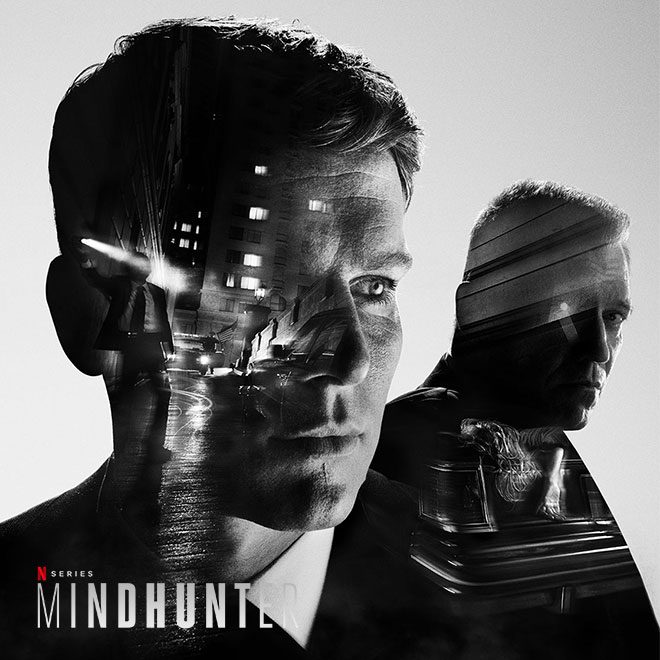
İlk sezon 2017’de çıktı. 10 bölüm sürdü. İkinci sezon ise 8 adede indi. Arada neredeyse iki yıl var.
Bu boşluk önemli. İkinci bölümdeki odak noktaları da değişmiş gibi duruyor. Atlanta çocuk cinayetleri ön plana çıkıyor. Bu sadece bir arka plan detayı değil. Hikayenin omurgası burası.
Aynı sezonda diğer ünlü isimlere de değiniyorlar. Charles Manson’un hikayesi var. David Berkowitz de listede. Gerçek suçluların psikolojisi üzerinden ilerliyorlar. FBI’ın iç görüsü yine ağır basıyor.
Hiç izlemediyseniz. Sadece şunu bilin. Bu dizi aklınızı başınızdan alıyor. Netflix’in en iyi akıllı yapımı. Zorlayıcı. Sıkıcı değil. Derinlikli.
Atlanta davası gibi gerçek vakalar işlenirken, Manson gibi kült figürler de karşınızda. Neden bunları yapıyorlar? Çünkü gerçek daha garip. Daha karmaşık.
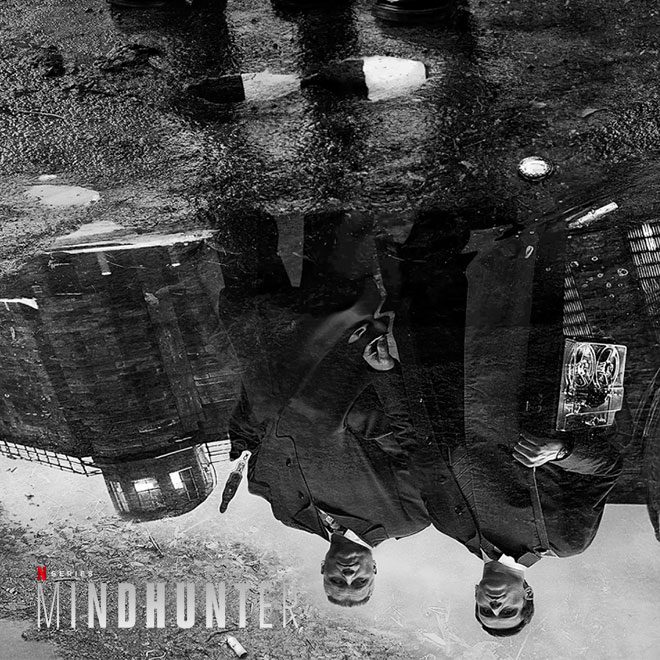
The Final Stretch: Why the Ending Lands (and Where It Stumbles)
We made it. Ten parts. Ten deep dives. And now, we are left with the inevitable question. Did it work?
The finale didn’t just wrap up threads. It pulled them tight until they snapped.
You know the feeling. That mix of relief and regret. It’s the same feeling you get after finishing a book you love but wish was longer. Or a concert that ends too soon. The energy is still in the air. But the lights are on.
The creative team behind this project took a massive risk in the final act. They didn’t play it safe. They didn’t give us a neat little bow with a ribbon tied on top. Instead, they chose ambiguity. A lot of people hate ambiguity. They want answers. They want to know who won. Who lived. Who was right.
But life doesn’t work that way.
The narrative choices in the last episode were bold. Some said they were selfish. Others called them brave. I call them honest.
The Character Arcs: A Final Reflection
Look at the protagonist’s journey. It wasn’t linear. It wasn’t clean. There were stumbles. There were moments of clarity that felt earned. And moments of confusion that felt necessary.
By the end, we see a person who is fundamentally changed. Not fixed. Changed.
This matters. It matters because we spend so much time consuming media that treats characters like puzzles to be solved. Here, the character is the story. Their evolution is the point. Not the plot twists. The internal shift.
“The ending doesn’t tell you what to think. It asks you what you’ve been through.”
That line resonates. It’s the kind of line that sticks. It lingers.
The supporting cast didn’t fade into the background. They held the frame. Their arcs converged in unexpected ways. No one got a “happy” ending in the traditional sense. But many got their ending. The one that fits their truth.
Visuals and Sound: The Atmosphere of Closure
Let’s talk about the sensory experience. The final scenes were shot with a specific intent. The lighting was harsher than before. Less romantic. More raw.
The color palette shifted. Warm tones gave way to cooler, stark contrasts. It wasn’t a visual choice for style alone. It reflected the emotional temperature of the story.
And the music. Oh, the music.
It didn’t swell. It didn’t use big orchestral hits to tell you how to feel. It used silence. Sparse piano notes. The hum of city life in the background. It grounded the moment. Made it feel real. Immediate.
This attention to detail is often overlooked. We focus on dialogue. On plot. But the atmosphere does half the work. It sets the stage for the final emotional payoff.
The Legacy: What Stays With Us
Ten episodes. That’s a commitment. That’s a lot of hours given over to this story.
What will we remember? Is it the big reveal? The shocking betrayal? The kiss in the rain?
Maybe.
But mostly, it will be the feeling of watching people struggle with something familiar. Love. Loss. Ambition. Fear.
This story didn’t preach. It observed. It held up a