


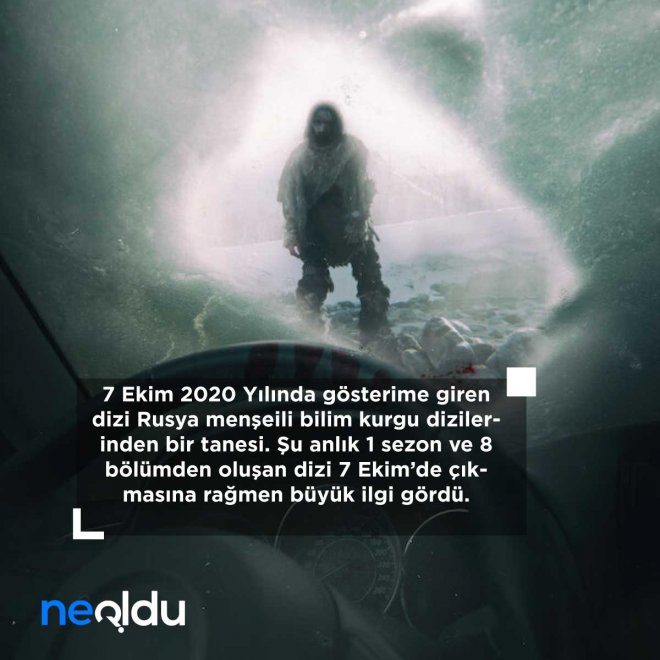
Netflix, 2020’nin o karmaşık Ekim ayında bile durmak bilmedi. Küresel salgın döneminde bile içeriğe aç olan izleyicilere yeni ve kaliteli yapımlar sunmaya devam etti. Peki, hangisi? Tam da bu noktada ortaya çıkan To the Lake, özellikle bilim kurgu sevenler için dikkat çekici bir tercih. 7 Ekim 2020’de yayın hayatına başlayan dizi, kısa sürede büyük ilgi topladı. Şu anda tek sezondan ve 8 bölümden oluşan yapımın her bir bölümü yaklaşık 50 dakika sürüyor. Konusu? Kurnaz, gerilim dolu ve oldukça sürükleyici.
Rus Bilim Kurgusunda Gizli Gerçekler
Aslında To the Lake, basit bir distopya hikayesinden çok daha fazlasını vaat ediyor. Rusya kökenli bu yapım, klasik post-apokaliptik temaları yeni bir perspektifle ele alıyor. İzlerken “Bu gerçekten mi oluyor?” diye kendinizi sorarken bulacaksınız. Dizinin çekiciliği, sadece görsel efektlerinde değil; aynı zamanda karakterlerin arasındaki gerilimde de yatıyor.
Peki, neden bu kadar çok konuşuluyor? Basit bir cevap var: Eski bir günün geri dönüşü. Ama bu dönüş, umduğunuz gibi romantik veya nostaljik değil. Aksine, tehlikeli ve ölümcül.
Nasıl Bir Dünyada Geçiyor?
Hikaye, evrenin sonunun yaklaştığı bir dönemde geçiyor. İnsanlık, yaşanabilir alanlarını kaybetmeye başlamış durumda. Bu noktada devreye Gökhan giriyor. Gökhan, gelecekteki kendisiyle temas kurarak geçmişe, yani 1980’lere, bir mesaj gönderiyor. Amaç? Dünya’yı kurtarmak için gerekli olan değişimlere öncülük etmek.
Bu, klasik “zaman yolculuğu” klişesinden farklı bir yaklaşım. Burada zaman düz bir çizgi değil. Daha çok, iç içe geçmiş katmanlar gibi. Gökhan’ın mücevher dükkanı işleten sıradan bir genç olması, aslında büyük bir planın parçası olduğunu ima ediyor. Ama plan ne? Ve bu planı kim uyguluyor?
Neden İzlemelisiniz?
To the Lake, izleyiciyi pasif bir izleyici konumundan çıkarıp, aktif bir sorgulayıcı haline getiriyor. Her bölümün sonunda “Acaba ne olacak?” diye sormadan edemiyorsunuz. Dizinin başarısı, basit anlatımının arkasına gizlenen karmaşık detaylarda.
- Gerilim: Sürekli bir bekleyiş ve tehlike hissi.
- Bilim Kurgu: Zaman, kader ve özgür irade üzerine derinlemesine sorular.
- Karakter Derinliği: Gökhan’ın sıradan görünüşünün altında yatan büyük potansiyel

The Collapse of Order in Moscow’s Dead City
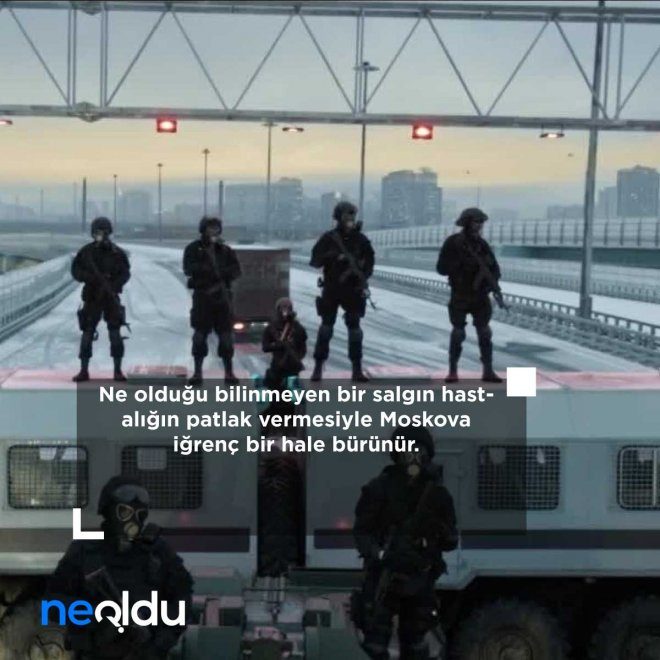
The power grid fails. The water stops running. Money turns into worthless paper overnight. In this version of Moscow, the streets don’t just get quiet—they get ugly. Fast.
It starts with a sickness nobody understands. No name. No cure. Just a rapid spread that leaves the capital reeking of decay and desperation. This isn’t just background noise for the drama; it’s the engine. When the infrastructure collapses, the social contract doesn’t just fray. It shatters.
The show doesn’t waste time on the medical details of the virus. It focuses on the human cost. Specifically, those who haven’t caught it yet. They aren’t waiting for a rescue helicopter. They aren’t waiting for the government to fix the pumps. They are fighting. Desperately. Clutching whatever scraps of safety they can find in a city that has turned against its own.
The real story here isn’t the plague itself. It’s the struggle to stay alive when the rules of modern society have been erased. How do you protect your family when the concept of “value” has vanished? What happens to morality when survival is the only metric left?
Moscow becomes a character in its own right. A cold, gray beast that feeds on chaos. The citizens trapped inside it have to make impossible choices. Often. Repeatedly. Without hesitation.
The tension comes from the uncertainty. Will the next block be safe? Will the person standing next to you turn? The show uses this ambiguity to keep you on edge. It’s not about who wins the war. It’s about who survives the night.
And in a world without electricity, the dark is where the real monsters live. Or maybe, the real humans. You start to wonder which is worse.
Why The Last Man on Earth ’s Russian Spin Hits Different
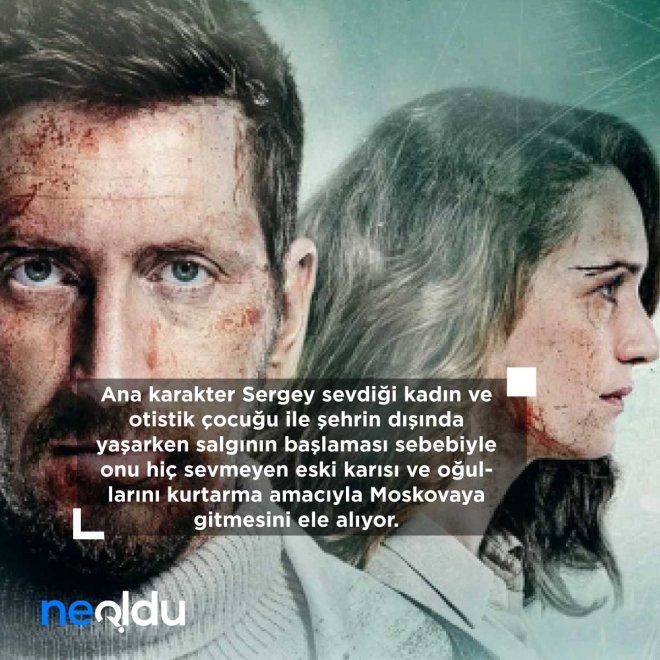
The premise feels familiar, doesn’t it? A man leaves his happy, isolated life to save people he used to despise. In this series, that man is Sergey. He was living his best life outside the city with the woman he loved and her autistic son. Then the pandemic hit. The bubble burst. Suddenly, he had to go back to Moscow. Why? To rescue his ex-wife. The woman who never loved him. And her sons.
It’s a heavy burden. But the show doesn’t just dwell on the family drama. It uses the journey as a backdrop for something much larger. Sergey travels north. He looks for an island. An isolated villa. Somewhere to cut ties with the past completely. The result is a stark, beautiful portrayal of a post-apocalyptic world.
“The series captures the post-apocalyptic vibe with striking accuracy.”
The isolation isn’t just physical. It’s emotional. Sergey is running from a life that failed him. He wants to start over. But can you really escape your history? The show asks that question without giving a straight answer. Instead, it shows you the snow. The silence. The weight of carrying people who don’t appreciate you.
The production design does a lot of the heavy lifting here. Every shot feels cold. Empty. You feel the distance between Sergey and the world he’s trying to save. It’s not about heroes. It’s about survival. And the strange, quiet moments in between.
Does isolation heal or break us? The series leans into the ambiguity. Sergey finds his villa. It’s perfect. Or so it seems. But the past has a way of creeping into even the most remote places. The ex-wife’s presence is a ghost at the table. The sons are strangers. The woman he loves is a memory.
The show runs with this tension. It doesn’t resolve it neatly. It just keeps moving. North. Into the white. Into the unknown.
Surviving the Collapse: Why This Dystopian Drama Hits Different
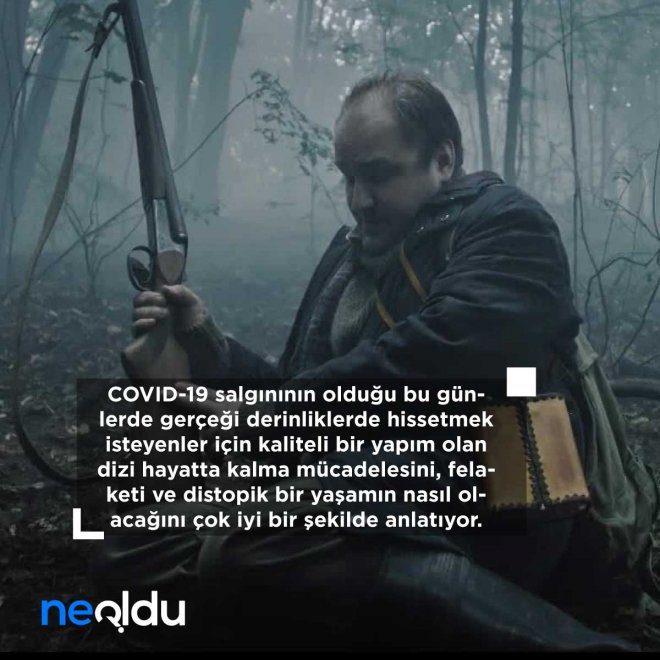
If you needed a mirror for the isolation and uncertainty of the pandemic years, this show provides it without flinching. It is not just another zombie apocalypse or disaster movie. It is a study in human resilience under extreme pressure. The series captures the visceral fear of a collapsing society and the gritty reality of trying to stay alive when the world around you is falling apart.
The Weight of Isolation
What makes this production stand out is its refusal to sugarcoat the experience. It does not offer easy answers or heroic clichés. Instead, it dives deep into the psychological toll of social distancing and the sudden loss of normalcy. The characters are not fighting monsters; they are fighting despair, hunger, and each other.
The storytelling is sharp. It moves with a quiet intensity that mirrors the slow, creeping dread of the real-world virus. You feel the weight of every closed door. You feel the silence of empty streets. This is not entertainment in the traditional sense. It is a warning. It is a reflection.
“The true horror isn’t the collapse. It’s how quickly we forget who we are when the rules disappear.”
Realism Over Spectacle
Many disaster films rely on explosive set pieces. This one relies on tension. The distopian lifestyle depicted is not about flying cars or futuristic tech. It is about rationing food, avoiding crowds, and the paranoia of a single cough. It feels uncomfortably familiar to anyone who spent lockdowns wondering if the person next to them was safe.
The production quality supports this grounded approach. The cinematography favors muted tones and confined spaces. It traps the viewer in the same claustrophobic mindset as the protagonists. There are no soundtracks to lift your spirits. Just the hum of anxiety and the crackle of bad radio signals.
Why It Resonates Now
We are still living in the aftermath. The habits formed during the peak of the crisis have stuck. This series taps into that collective memory. It explores survival strategies that felt necessary then and still feel relevant now. How do you trust strangers? How do you maintain community when isolation is enforced? How do you find meaning when nothing else matters?
The show does not judge its characters for their flaws. It understands that in a crisis, morality becomes a luxury. Some survive by being kind. Others survive by being ruthless. Both are valid. Both are human.
This is not a story about saving the world. It is about saving yourself. And sometimes, that is enough. Sometimes, that is all there is.
Shooting in the Freezing Wilds
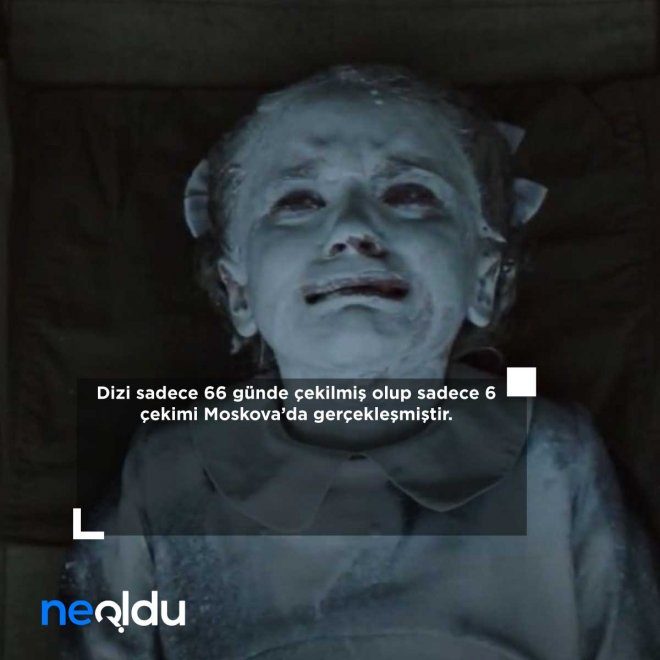
The production schedule was brutally tight. The entire film wrapped in just 66 days. Most of the action happened far from the capital. Out of the total shoot, only six scenes were filmed in Moscow.
The rest of the production faced the harsh reality of Russian winter. Three shots were completed inside a controlled studio environment. Another seven were done indoors. That left the majority of the cast and crew exposed to the elements. They shot in rural areas where temperatures plummeted to -15 degrees Celsius. It was a test of endurance.
The Cast Behind the Quarantine
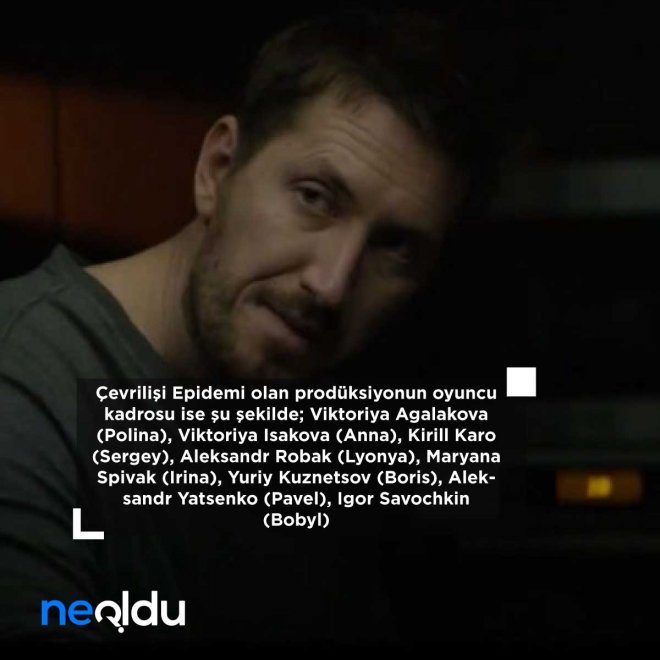
The ensemble cast for the quarantine-era production is stacked with familiar faces from Russian theater and screen. Polina is played by Viktoriya Agalakova, bringing a grounded presence to the role. Opposite her is Viktoriya Isakova as Anna, a character who likely anchors the emotional weight of the narrative.
The male lead, Sergey, is portrayed by Kirill Karo, whose work often sits at the intersection of indie credibility and mainstream appeal. He shares the screen with Aleksandr Robak as Lyonya. Robak is no stranger to complex, often morally ambiguous roles, so his casting here feels like a deliberate choice for tension.
Supporting the core group is a robust lineup of character actors. Maryana Spivak takes on the role of Irina, adding a layer of sharp wit or hidden depth depending on the script’s demands. Yuriy Kuznetsov appears as Boris, while Aleksandr Yatsenko plays Pavel. Rounding out the group is Igor Savochkin as Bobyl, a name that suggests a specific, perhaps eccentric, regional flavor to the character.
Why this specific mix? It points to a production that values dialogue-heavy scenes and interpersonal dynamics over spectacle. With actors like Spivak and Robak on board, the focus is clearly on performance. The chemistry between Agalakova and Isakova will likely drive the central conflict, while Karo and Yatsenko provide the structural backbone of the plot. It’s a traditional setup for a story born in isolation. The real question is whether the constraints of the production period limited their movement or forced a tighter, more intimate style of storytelling. One thing is certain: the cast has the range to carry it.
To the Lake’in Arkasındaki İsimler
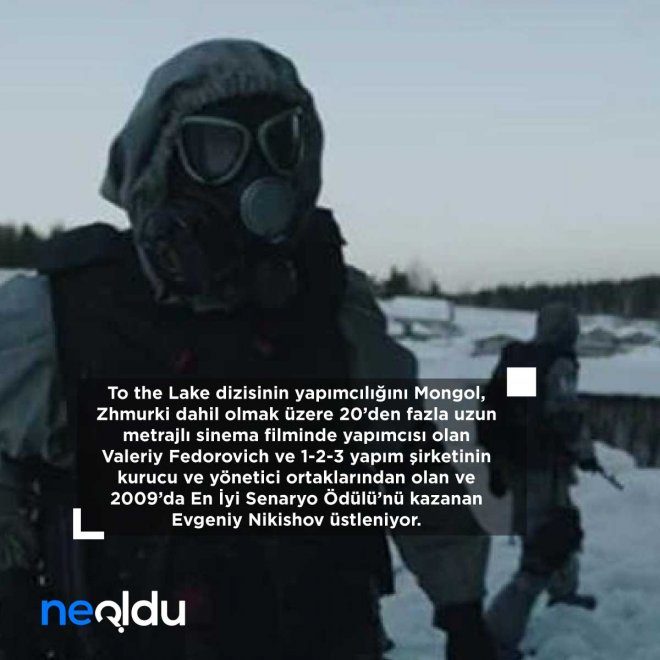
Seriye hayat veren isimler sıradan bir ekip değil. To the Lake dizisinin yapımcılığını üstlenen Valeriy Fedorovich ve Evgeniy Nikishov, sinema dünyasında köklü bir geçmişe sahipler. Fedorovich, Mongol ve Zhmurki gibi 20’den fazla uzun metrajlı filmde yapımcı olarak görev yaptı. İşin teknik kısmına gelince, Evgeniy Nikishov sadece yapımcı değil, aynı zamanda 1-2-3 yapım şirketinin kurucu ortağı. Onun senaryo yeteneği de tartışılmaz; 2009 yılında En İyi Senaryo Ödülü’nü alarak bu konudaki ustalığını kanıtlamıştı.
Yerli Dizinin Küresel Yükselişi
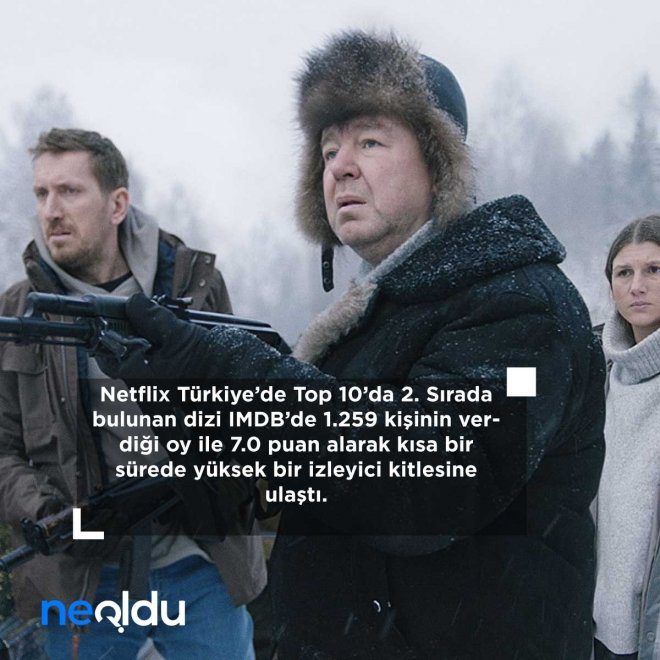
Netflix Türkiye listelerinde ikinci sıraya yerleşen bu dizi, kısa sürede dikkat çekmeyi başardı. IMDB üzerinde 1.259 kullanıcının oylamasıyla 7.0 puan aldı. Bu skor, yapımın henüz yeni olmasına rağmen yüksek bir izleyici kitlesine sahip olduğunu gösteriyor. Puanın hızlı yükselmesi, içeriğin izleyicilerde yarattığı etkiyi de ortaya koyuyor.
Why ‘To the Lake’ is the Russian Survival Drama You Actually Want to Binge
If you are tired of the same old zombie tropes dominating your screen, this might be the refresh your watchlist needs. It’s not about the undead shuffling toward your door. It’s about a virus. A cold, indifferent virus that shuts down the world.
Russian director Yana Vagner adapted her own novel into this series. And yes, it’s on Netflix. But don’t expect the polished, cliché-ridden American survival fare. This is raw. It’s gritty. It feels like stepping into a novel that smells like old paper, cheap vodka, and frozen asphalt.
A Road Trip Through the End of the World
The plot strips away the fluff. There are no forced romances. No “let’s hide and wait it out” logic that has plagued lesser shows for decades. We are in the 21st century. Isolation is the only sane move.
Think of it as a dark journey story. A group is thrown together by circumstance. They have to run. They have to survive. It shares DNA with Into the Night, another Netflix hit about fleeing a toxic atmosphere, but To the Lake feels more intimate, more claustrophobic.
The core tension? Two women who can’t share a man. And they are doing it while the world burns.
It’s not a high-budget spectacle. You can feel the amateurish charm of it. The cars freeze up. The houses are cramped and dirty. The characters are messy. And honestly? That’s the point.
The Atmosphere is the Main Character
What struck me most was the cultural texture. I’ve watched enough Russian cinema to know what to expect, but this hit different. The patriarchy is thick here. You feel it in every interaction. It’s a world where “being a man” carries a heavy, often destructive weight.
There’s a character, the father of the male lead, who stands out. He’s gentle. He’s kind. He’s the kind of dad you’d want in your life, not just on screen. In a genre often dominated by loud, aggressive masculinity, his presence is a quiet rebellion.
The cold is relentless. It’s not just weather; it’s a mood. It seeps into the bones. It matches the emotional temperature of the characters. They are volatile. Emotional. Pushing each other away while desperately needing connection.
Is it perfect? No. There are logic gaps. The virus affects everyone except… well, let’s just say the spread doesn’t make total sense. But do you care when the tension is this high?
Maryana Spivak and the Emotional Rollercoaster
Maryana Spivak is in everything these days. I usually enjoy her work. Here? She drives me crazy. Her character is cold. Detached. It’s frustrating, intentionally so. The show wants you to feel that friction.
The cast is young, intense, and fully committed to the chaos. They aren’t playing heroes. They’re playing survivors. And survivors are selfish. They are scared. They make bad choices.
Watching them argue over who gets to sit in Sergey’s car feels absurdly real. The world is ending, militias are hunting them, and yet, petty dramas still dominate the cabin air. It’s human. It’s annoying. It’s true.
Why You Should Watch It Now
Walking Dead is gone. The zombie genre is stale. To the Lake offers a different kind of dread. It’s not about monsters under the bed. It’s about what happens when the lights go out and you’re stuck in a car with people you don’t fully trust.
It’s binge-able. I finished it in two days. Not because it was fast-paced, but because it wouldn’t let go. It grabs you by the throat and doesn’t stop until the very end.
Will you remember every plot point a week later? Maybe not. But the feeling? The cold, the tension, the sheer exhaustion of survival? That lingers.
If you want a survival story that doesn’t insult your intelligence, give it a shot. Just keep the heater on. And maybe a bottle of vodka handy. The world out there is frozen. You might as well get comfortable in the cold.
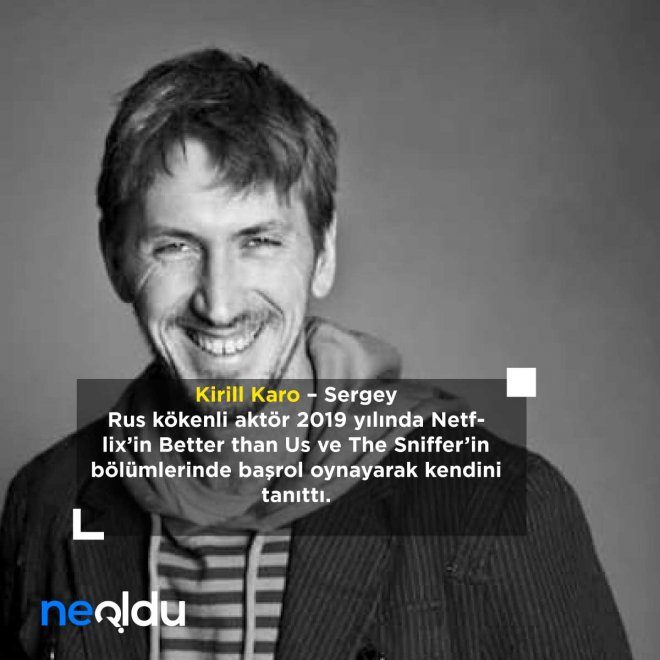
Viktoriya Agalakova’s Breakthrough as Polina
Viktoriya Agalakova is a young, pretty actress in her mid-twenties. She didn’t start in a blockbuster. Her career kicked off in 2017 with Nevesta. It was a modest start.
Two years later, she took a role in Ozero Myortvykh. Not a massive name yet. But she was working. Building the resume.
Then 2020 hit.
That’s when Vratar Galaktiki came along. This is the project that made her visible. The role of Polina stuck. Suddenly, people were noticing. She went from unknown to recognized in a single year. It’s not always about luck. Sometimes it’s just the right script at the right time.
Who knows what she tackles next. The industry moves fast.
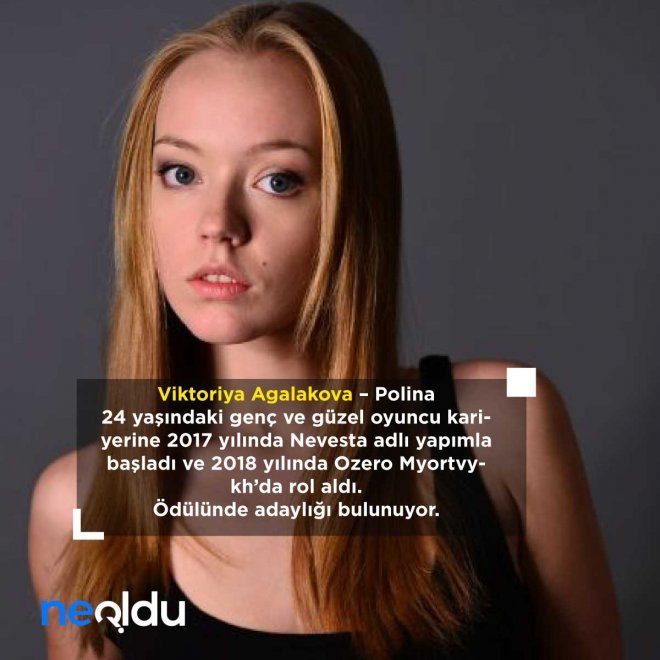
Maryana Spivak isn’t just another name on a poster. She’s the woman who played Irina in Loveless. The role didn’t just get her attention; it launched her onto the global stage. Now 35, she carries the weight of that acclaim with a quiet intensity that feels earned rather than manufactured.
The Best Actress nomination wasn’t a fluke. It was a direct result of how she handled the emotional devastation in Zvyagintsev’s film. Watching her break down on screen felt less like acting and more like witnessing something raw and real. People started looking. Really looking.
Why Loveless Changed Everything
Before Loveless, she was known locally. Afterward? She was everywhere. The film itself is a harrowing look at a marriage falling apart against the backdrop of a corrupt society. Spivak’s Irina is trapped. You feel the suffocation.
She didn’t try to play a victim. She played a woman fighting for survival in a system designed to ignore her. That nuance is what critics latched onto. That specific quality is what put her on the map.
The Early Years and Training
Spivak studied at the Russian Academy of Theatre Arts. GRITSI, if you want the acronym. It’s a rigorous program. Not everyone survives it. She did. And she used that foundation to build a career that refuses to stay in one lane.
She’s taken risks. Some roles are small. Some are lead. But she treats each one with the same level of scrutiny. You can see the effort in the micro-expressions. The slight tilt of the head. The pause before a line is delivered.
Current Projects and Future Moves
At 35, she’s in the sweet spot. Old enough to have depth, young enough to take physical and emotional hits. She’s been spotted on sets for new Russian productions. Details are scarce. That’s standard for her. She doesn’t give interviews to promote her ego. She gives them to talk about the work.
“The script is just the starting point. The real work happens when you’re alone in the room with the character.”
Fans are waiting. The internet is buzzing with theories about her next move. Will she return to drama? Try horror? Or stick to the psychological thrillers that made her famous?
Nobody knows for sure. But one thing is certain. When Maryana Spivak steps into a frame, you stop scrolling. You watch. And you wait for the impact.
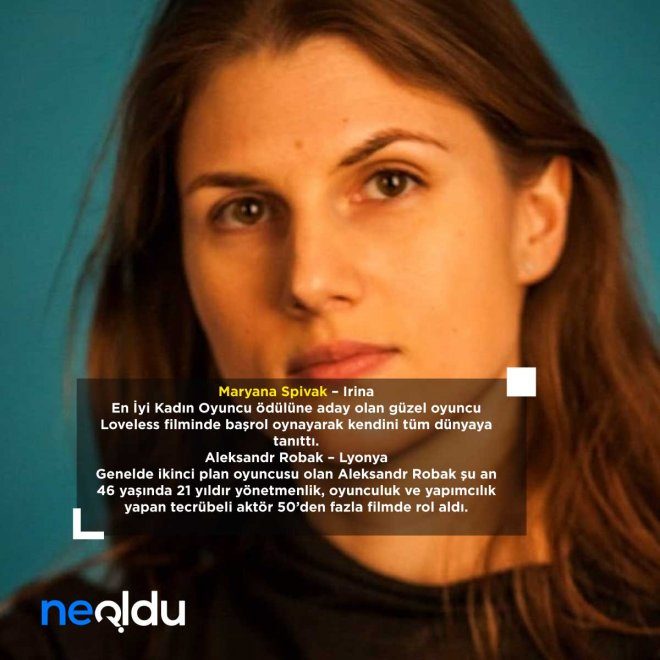
Aleksandr Robak: Lyonya Karakterinin Arkasındaki Yüz
Genellikle arka planda kalan rolleriyle tanınan Aleksandr Robak, aslında endüstrinin en deneyimli isimlerinden biri. 46 yaşındaki aktör, son yirmi bir yıldır sadece oyuncu değil, aynı zamanda yönetmen ve yapımcı olarak da sahnenin her yerinde. 50’dan fazla filmde rol almasının arkasındaki bu çok yönlü kariyer, onu sadece bir yüz değil, bir kurum haline getirdi.
Yayın Tarihi: 7 Ekim 2020
Türler: Bilim Kurgu, Korku, Gerilim, Dram
Lyonya karakterini canlandırırken Robak, tipik “ikinci plandaki adam” imajını aşan derinlikli bir performans sergiledi. İzleyici, bilimsel kurgunun soğuk atmosferi ile gerilimin keskin çizgileri arasında kaybolurken, Robak’ın oyunculuğu o karmaşık duygusal durumu somutlaştırıyor. Bu türlerde sıkça görülen klişelerden uzak duran yapım, Robak’ın tecrübesi sayesinde karaktere inandırıcılık katıyor. İzlemek isteyenler için, sadece hikayeyi değil, performansın detaylarını da kaçırmamak gerekiyor.


