Lost and Found
It sat in the dirt since the 70s. Then it vanished. Now it’s back, battered and confusingly incomplete.
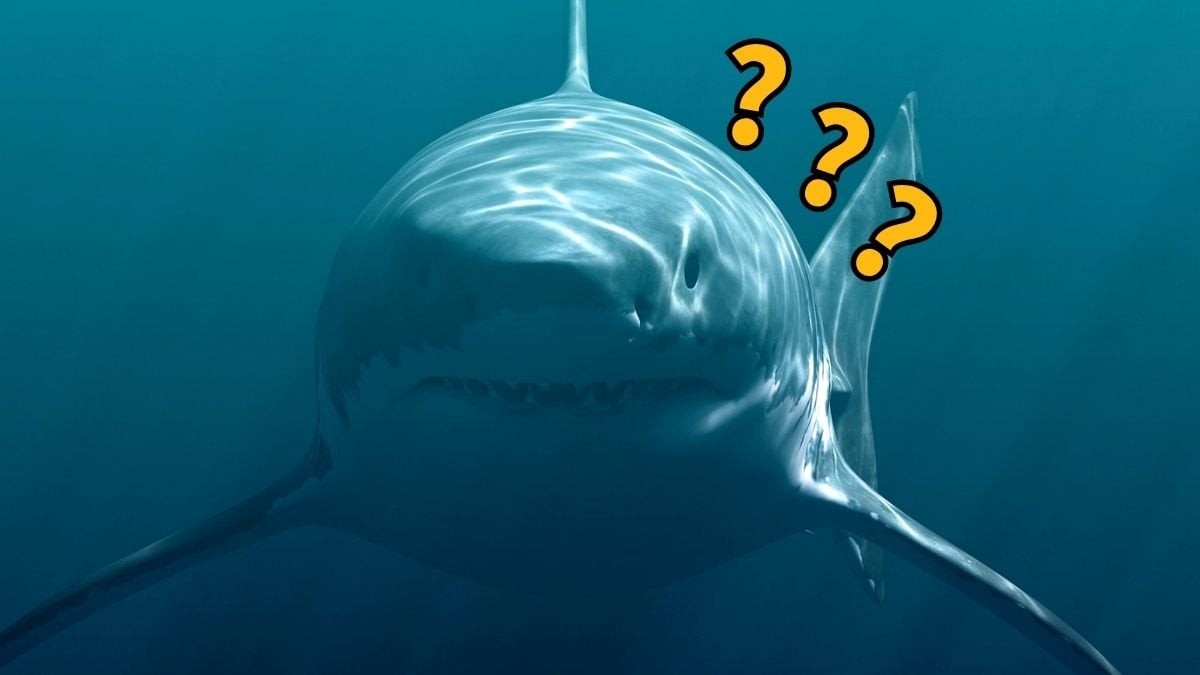
In 1978, the Gram Clay Pits of Denmark yielded something absurdly large. A vertebra. Twenty-three centimeters wide. At 9 inches across, it dwarfed any other megalodon backbone found before or since. Paleontologists freaked out. It was the golden standard for calculating just how terrifying this giant shark, Otodus megalodon, actually was. It suggested a monster capable of swallowing city buses. Or at least parts of them.
Then came the moving day disaster. 1989.
The specimen shifted facilities. It shattered. Someone looked at the broken pieces, shrugged, and marked the box “lost.” A classic case of administrative blindness. Until Bent Erik Kramer Lindow, a curator at the Natural History Museum of Denmark, happened upon a box of jumbled fragments. He looked closer. Wait. Was that the legendary vertebra?
He thought so. He called Kenshu Shimada.
“I was in disbelief,” Shimada admitted to ScienceAlert. The concern wasn’t discovery; it was condition. “My immediate concern was its condition.”
The pieces were a mess. Shattered. Forgotten by paleontologist Frank Osbåck for years after the 1989 crash, they sat in limbo. In 2017, the contents were identified. The real work of counting began.
The Radius Matters
Science is about repetition. It’s boring until it works.
Shimada’s team needed to confirm the original measurements. Photographs had replaced the physical fossil for decades, driving modern size estimates. But photos lie. Perspective distorts. A 23 cm measurement in a photo is a guess until you measure the bone.
One fragment held the key. It preserved the center and part of the outer ring.
“Because it gave a radius of 1.15 centimeters…” wait. No. The quote says 11.5. Radius 11.5 cm. That means diameter is 23. The math checked out. Shimada literally shouted, “Yes!” in a quiet room. Presumably. It felt dramatic.
The original size estimates for megalodon—up to 24.3 meters or about 80 feet—stand firm. The “giant bus” theory isn’t a fantasy. It’s supported by a rock that survived a decade of being ignored.
“The rediscovery of the vertebrae… eliminates any doubts about the maximum vertebaral diameter,” Shimada said.
Sharks don’t have bones. Not real ones. Just calcified cartilage. Which is why a single backbone is a treasure map. Teeth are common. Spines are rare. A 141-vertebra spine is the complete set so far. This fragment is a piece of a puzzle that no longer has the rest of the pieces. Or does it?
Stomach Contents?
The box wasn’t just vertebrae.
There were 185 fragments. Several rocks containing casts. Sediment. A lot of dirt that looked suspicious.
Shimada took a microscope to the dirt surrounding the bones. He expected minerals. Maybe old plankton. What he found were scales.
Basking shark scales.
This isn’t a random coincidence. It suggests predation. Opportunistic, sure, but predation nonetheless. The megalodon wasn’t just eating whales, it seems. It was hunting other sharks. Big ones. The find hints at a diet broader than previously accepted, including the consumption of contemporary filter-feeders.
So, a 900,000-kilo predator, missing most of its spine, eating basking sharks? Yes. The ocean was a meaner place when megalodons walked—swam—on it.
Leftover Mysteries
Museum boxes are full of ghosts.
“We are quite certain that there are many other… specimens still waiting,” Shimada noted. He’s been finding treasures in drawers for years. It’s easy to forget that storage rooms hold secrets that predate the people working in them now.
The megalodon is gone. Dead for 3.6 million years. But we’re still learning about it from boxes in Danish cellars.
What else are we mislabeling?
The paper landed in Palaeontologia Electronica. It’s another piece of the jigsaw. There’s a lot of space in that puzzle left blank.
Maybe look in your attic.