Shortcuts are the brain’s default mode. It hates wasting energy. So we guess. We muddle through decisions in the subconscious dark because calculating every outcome is too expensive metabolically. It is perhaps why we love neat little boxes for people’s mental states. Even when the boxes are wrong.
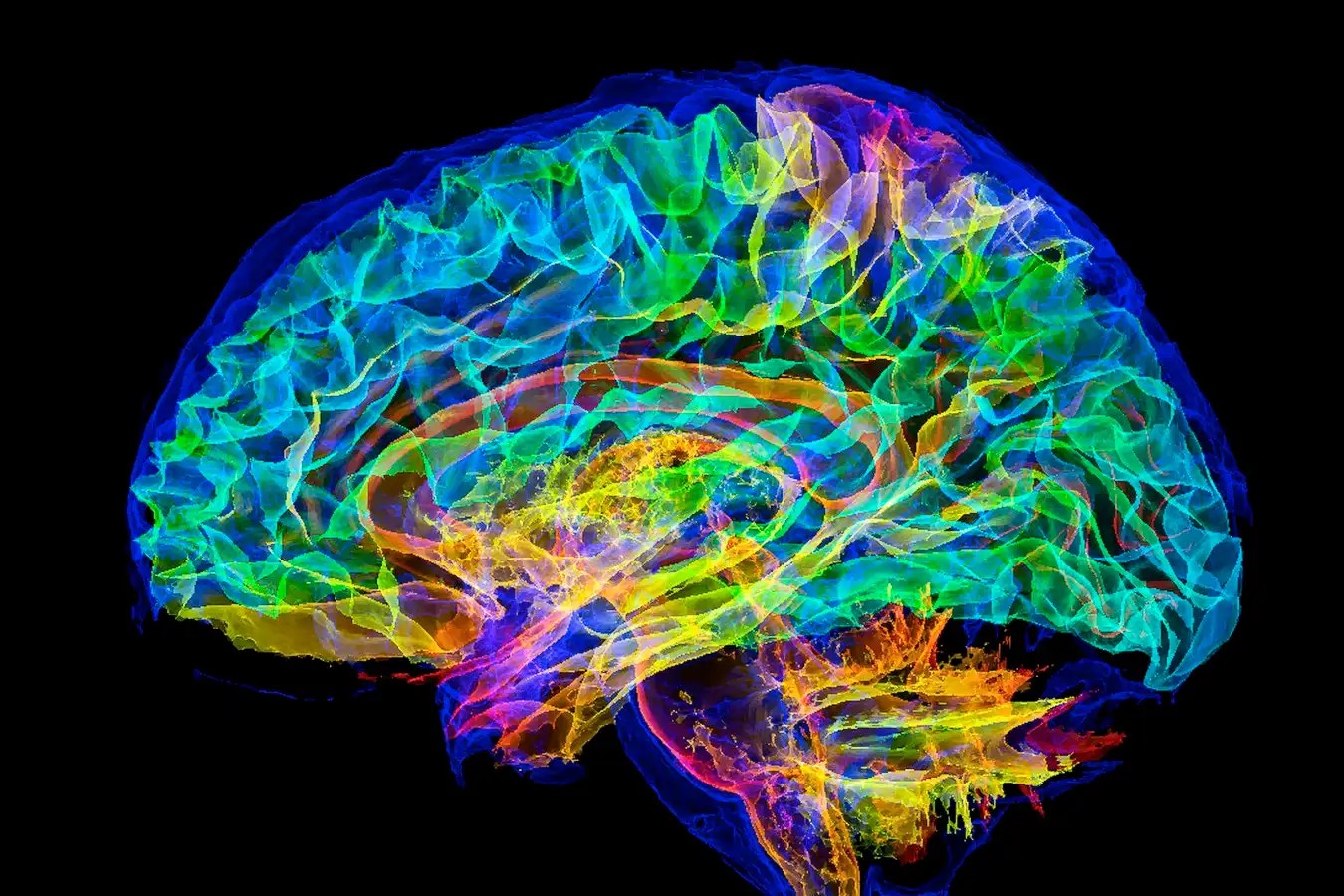
Take adulthood. What counts? One nation says sixteen. Another insists on twenty-one. The gap matters. We treat children like fragile things and adults like fully loaded cannons. Some politicians want to bridge that gap using science. Specifically brain imaging. They want policymakers to check for “maturity levels” before handing down criminal sentences or handing over a car key. There is a popular myth that brains finish developing at twenty-five. Wrong. That’s not how it works. Brains mature on wildly different schedules. There isn’t one single metric for “done.”
Neuroscience isn’t just being forced to define adulthood though. Look at autism. Some researchers want a new label: profound autism. It would sort people by IQ, speech ability, and care needs. The goal? To secure funding for the most vulnerable. Sounds good, right? The catch is exclusion. Anyone who misses the strict cut-off gets left behind. Worse, it might lump a mute person with a brilliant mind right next to someone with cognitive impairment. Different neurology. Different needs. Same bureaucratic file.
Then there’s the courtroom drama. Psychopathy is often presented as settled science. Judges listen to profiling studies like gospel. Sometimes it acts as a mitigation tool. Why does that confuse a solid prosecution? It doesn’t clean things up. It muddies them. Psychopathy is an evolving framework, not a biological constant you can slice open and prove. Recent research admits it’s shaky. Using it as fact is dangerous.
We want tidy boxes. It’s natural. The future might actually give us precise readouts on someone’s cognitive state. Maybe.
Not yet though. We aren’t there. The science isn’t ready to judge.