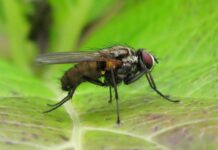
Summer dining is supposed to be pure joy. Plates arrive steaming, laughter rises, and the air smells of food and sun. Then the flies show up. For home diners, a bowl of fruit becomes a beacon for buzzing pests by mid-July. Restaurants, however, seem immune. Their dining rooms remain calm while flies circle elsewhere. What is the difference? Professional kitchens do not rely on toxic sprays or heavy pesticides. They use subtle, natural barriers that are effective and safe. The secret lies in scent-based deterrence and rigorous hygiene.
The Citron and Clove Barrier
This method is simple enough for any home kitchen. It requires one untreated yellow lemon and about 15 to 20 whole cloves. You cut the lemon in half. Then you poke the cloves deep into the flesh. The result is a potent olfactory barrier.
Placed discreetly behind the counter or on a high shelf, the mixture releases a sharp, spicy aroma. Flies hate this smell. It disrupts their sensory navigation. Humans find it fresh and inviting. This dual benefit makes it a staple in many brasseries. It proves that pest control does not require chemicals. It only requires basic spices.
White Vinegar Spray for Doorways and Windows
Beneath commercial sinks, you will often find a spray bottle filled with water and white vinegar. This is not a cleaning agent alone. It is a defensive weapon against insects.
Spray this mixture on window sills, door frames, and sometimes directly on tables after service. The acidity of the vinegar blinds the insects’ sensory receptors. They cannot track scents or navigate effectively. The result is immediate avoidance. They turn back instantly. This method also disinfects surfaces. It leaves the air free of endocrine disruptors. Diners breathe cleaner air while staying protected.
Fresh Basil as a Green Shield
Look at any well-styled restaurant terrace in summer. You will see green planters. These are not just for decoration. Fresh basil acts as a plant-based guard dog.
Basil leaves release volatile compounds that dipterans (flies and mosquitoes) find intolerable. Place potted basil near open windows or air currents. The scent creates an invisible wall. It smells like Provence to humans. To insects, it is a stop sign. Integrating live plants into decor serves a functional purpose. It is living pest control.
Lavender’s Repellent Properties
Dried lavender bundles hang above rustic cafes and restaurants. They are not just aesthetic choices. They are functional repellents.
Lavender has known insect-fugative properties. When it diffuses into the air, it irritates the respiratory systems of flying pests. Humans find the scent relaxing. Insects find it unbearable. This allows staff to maintain a welcoming atmosphere without swatting at glasses or plates. It is an elegant solution that works passively.
Essential Oils on Countertops
Some establishments prefer concentrated plant extracts. A few drops of essential oil on a cloth wiped across the zinc counter can change the air quality for pests.
Peppermint, citronella, and eucalyptus oils are the top choices. Their potency saturates the immediate environment. Flies prefer to flee than to tolerate these herbaceous fumes. This is a low-effort, high-impact strategy. It keeps the main workspace hygienic without visible traps or sprays.
Hygiene as the Ultimate Defense
None of these aromatic tricks work if the space is dirty. The most critical secret is impeccable waste management. No overripe fruit sits out. Trash bins are always sealed. Crumbs and sugar spills are cleaned immediately.
Starving the pests removes their motivation to enter. It is a preventative approach. You cut the problem at the root rather than fighting an infestation after it starts.
Why Natural Methods Matter
Chemical pesticides leave residues. They pollute the air. They can harm human health over time. Natural repellents do none of these things. They rely on scents that humans enjoy and insects avoid. They are sustainable. They are cost-effective.
Combining a lemon-cloves bowl with fresh basil pots near a window creates a layered defense. It transforms a home into a sanctuary. The question is not whether these methods work. The question is why more people do not use them. The answer lies in habit. We are used to sprays. We are used to traps. But the air smells better without them. And the flies stay away.