


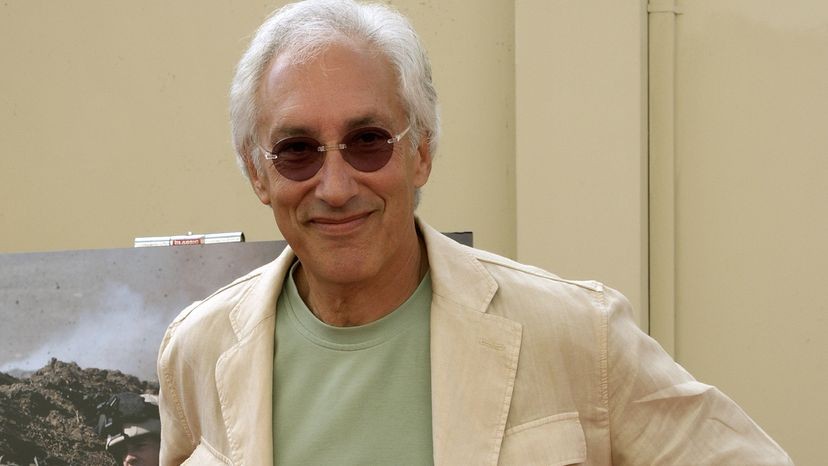

Steven Bochco didn’t just write for television. He broke it. Then he put it back together, sharper and grittier. His fingerprints are on some of the most defining dramas of the late 20th century. If you’ve ever binged a show where the story doesn’t reset every week, or where the cops swear like sailors, you’re watching Bochco’s legacy.
This isn’t just about ratings. It’s about structure. It’s about nerve. Let’s look at how he reshaped the small screen.
The Birth of the Serialized Crime Drama
Most people point to Hill Street Blues as Bochco’s first major hit. Technically, M.A.S.H. came first, but Bochco’s real revolution started in 1981 with Hill Street Blues.
The premiere was a disaster. It ranked 87th out of 96 shows. Terrible. ABC almost killed it. But the writing was too good. The characters were too real. It bounced back, eventually winning eight Emmys in its second season.
Why did it stick? It wasn’t the plot. It was the format. Before Hill Street, most cop shows were episodic. You solve the crime, you go home, you forget it. Bochco introduced continuing story arcs. The cases stretched across episodes. The officers had lives that bled into the next week. It was the first cop drama to do this.
It also featured a massive ensemble cast. And it used handheld cameras, giving the show a raw, documentary feel that hadn’t been seen on primetime.
“Hill Street Blues” wasn’t just a show. It was a blueprint.
Marriage, Law, and Network Politics
Real life bled into the script, too. Bochco was married to Barbara Bosson during the show’s run. She played Joyce Davenport, the ex-wife of Captain Frank Furillo (Daniel J. Travanti). They divorced in 1997, but their on-screen dynamic felt uncomfortably authentic.
When Hill Street ended, Bochco didn’t rest. He moved to legal dramas.
From 1986 to 1994, he co-created and produced L.A. Law. This one actually outsold Hill Street. It became the defining legal show of the era. But Bochco didn’t stop at innovation. He started playing with network infrastructure.
He invented a crossover event that hadn’t been done in primetime. When his next show, Civil Wars, got cancelled, he didn’t just end the story. He moved characters over to L.A. Law. Alan Rosenberg’s lawyer and Debi Mazar’s secretary jumped networks. It was the first time a character migrated from one drama to another on a different channel.
Breaking the Fourth Wall and the Content Barrier
Bochco wanted realism. Not the polished kind. The messy kind.
With NYPD Blue, launched in 1993, he went further. The show was marketed as a “dramedy” in some circles, but it was closer to a raw police procedural with a dark sense of humor. It was definitely for mature audiences.
ABC was so nervous about the content that they slapped a warning screen on the pilot. Parents were told to expect nude scenes. The catch? The nudity was just flashes of buttocks. Barely anything. But the threat was enough to generate buzz.
The show also allowed characters to talk directly to the camera. Breaking the invisible fourth wall. It made the audience complicit in the police work. Uncomfortable? Yes. Revolutionary? Absolutely.
The Highs and the Flops
Bochco wasn’t always right. Sometimes, he was just weird.
In 1989, he launched Doogie Howser, M.D. starring a young Neil Patrick Harris as a teenage medical prodigy. It was a comedy, but it launched Harris’s career. It added to Bochco’s legend of spotting talent and pitching weird ideas.
Then came Cop Rock.
- Bochco decided a police drama needed music. Lots of it. Cop Rock blended gritty police work with singing and dancing. It was a cringe-inducing head-scratcher. It lasted 11 episodes. That’s 11 episodes longer than it should have. It was a flop.
There were other misses, too. Bay City Blues lasted four episodes. Bay City Rollers and Roller Derby Queen didn’t make it past the pilot phase.
The Lasting Impact
You don’t need to watch Hill Street Blues to feel Bochco. You feel him in The Wire. You feel him in The Shield. You feel him in any show that doesn’t apologize for its characters’ flaws.
He took the TV cop show from a weekly puzzle to a living, breathing ecosystem. He introduced sexual content and blunt language to network TV before it was cool. He connected shows across networks.
Did he always succeed? No. But he always changed the game.
The question isn’t whether Bochco was a good producer. The question is how many of our favorite shows exist because he decided to push the envelope until it ripped.
The envelope is still ripping. Every time a show ends and leaves you hanging for the next season, you’re looking at Bochco’s work.