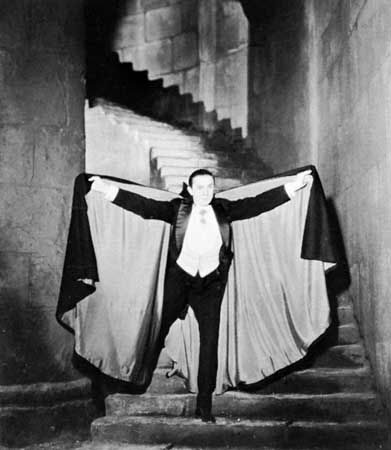
Bela Lugosi wasn’t just an actor. He was an entire aesthetic. Born Blasko Béla Ferenc Dezsö in Lugos, Hungary, on October 20, 1882, he carried a heavy accent and an aristocratic air that Hollywood couldn’t get enough of. That specific combination? It defined his career. It defined his legacy.
He didn’t start in Hollywood. He started in Budapest. From 1913 to 1919, Lugosi acted with the National Theatre there. Then he moved to Germany, appearing in silent films before finally crossing the Atlantic. He arrived in the United States in 1921. The rest, as they say, is horror history.
The Stage to Screen Transition
Lugosi didn’t stumble into fame. He carved it out. In 1927, he directed and starred in the stage production of Dracula in New York. It was a massive hit. The role suited him perfectly. His brooding presence and thick accent made Count Dracula terrifying in a way that hadn’t been seen before.
So when Universal Pictures made the jump to film, they didn’t look far. Lugosi reprised the role in the 1931 movie Dracula. It became his signature performance. But it wasn’t his only foray into the macabre.
A Filmography of Monsters
Lugosi didn’t stick to one character for long. He branched out. He became a staple of classic horror cinema. His filmography reads like a greatest hits album for gothic fans.
- The Black Cat (1934): A cult favorite that showcases his range beyond just playing the Count.
- Mark of the Vampire (1935): Another early horror entry.
- Son of Frankenstein (1939): He played the hunchbacked Ygor. A memorable turn.
- Frankenstein Meets the Wolfman (1943): He crossed over into the Universal Monster Universe.
- The Body Snatcher (1945): A gritty, less glamorous role that proved he could handle serious drama.
He was everywhere. And then, he wasn’t.
The Tragic End of a Star
Lugosi’s career trajectory followed a steep downward slope. As his leading-man days faded, so did his bank account. He declined into poverty and obscurity. Studios stopped calling.
He took what he could get. Low-budget independent films. B-movies that barely made it to theaters. It was a far cry from the glamour of the 1930s. Yet he kept working. He kept performing.
His final resting place tells the whole story. Bela Lugosi died in Los Angeles, California, on August 16, 1956. He was buried wearing the long, black cape he had worn in Dracula. It was a fitting end. A final pose.
He died in the costume that made him immortal.