Fear is a reflex. It happens before your brain even catches up. You see eight legs. You see fur. You recoil.
But this reaction isn’t because spiders are inherently dangerous. It is because they are unknown. We fear what we don’t understand. That is the simple, uncomfortable truth behind the arachnophobia that grips so many people.
Damien Kunegel knows this intimately. As the author and webmaster of Mygales Du Monde, and with a background in eco-ethology and behavioral sciences, he has spent years dismantling the myths that keep us afraid. His goal isn’t just to inform. It is to rehabilitate these creatures in the public eye. To demystify them.
The Hidden Role of Spiders in Daily Life
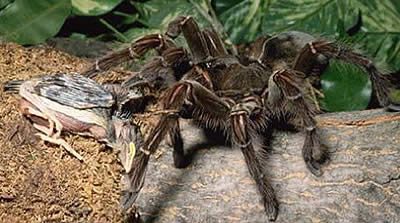
Spiders are not just invaders in the corner of the ceiling. They are part of the fabric of our environment. This includes the large, hairy tarantulas that often trigger the most intense panic.
Without them, the balance of our daily lives would tip.
Think about the insects that clutter our homes and gardens. Mosquitoes. Flies. Beetles. Spiders are the natural control system. They manage populations. They keep the ecosystem from tipping into chaos. Remove them, and you don’t just lose a creepy creature. You lose a critical piece of ecological machinery.
The disconnect is stark. We see a spider, and we think “intruder.” We should be thinking “partner.”
Why Tarantulas Are Misunderstood
Tarantulas get a bad rap. They are large. They are hairy. They move with a deliberate, heavy grace that feels predatory to the human eye. But size and appearance do not equal danger.
Kunegel’s work highlights that these animals are often more curious than aggressive. They are shy. They prefer to hide. When they do interact with humans, it is usually out of defense, not offense. Yet, the image of the monster spider persists.
This persistence is rooted in ignorance. When we don’t know the biology, we fill in the gaps with horror stories. We imagine venom that can kill in seconds. We imagine webs that trap cars. The reality is far more mundane, and far more interesting.
From Fear to Understanding
The path to overcoming this fear is education. Not dry, academic lectures. But real, accessible information about how these animals live, hunt, and interact.
Kunegel’s background in behavioral sciences is key here. He looks at spiders not as static objects of fear, but as dynamic beings with complex behaviors. This perspective shifts the narrative. It moves from “look at this scary thing” to “look at this fascinating adaptation.”
Why does this matter? Because when we understand something, it loses its power to frighten us. It becomes a neighbor. A part of the world we share.
The question isn’t whether you should love spiders. That’s too much to ask. The question is whether you can tolerate their presence. Can you see them for what they are? Not monsters. Just animals doing what they have always done.
Keep them in mind the next time you see one. It might change how you look at the corner of the room. Or it might not. The fear is deep. But the facts are there.