


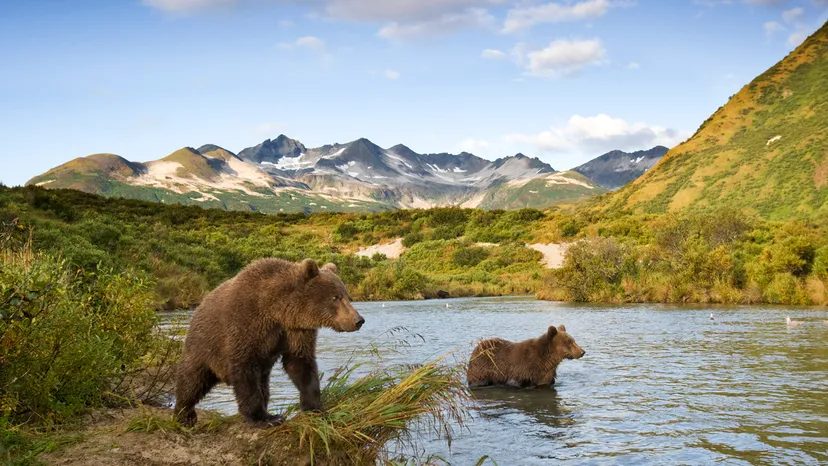
Bears are marvels of evolution, built for survival in some of the harshest environments on Earth. They are also, undeniably, some of the most dangerous animals you can encounter. Most bears want nothing to do with us. They will bolt at the first sign of human presence. But make no mistake: when a bear feels cornered, surprised, or protective of its young, the dynamic shifts instantly. It is not about malice. It is about instinct.
The scale of the threat varies wildly depending on the species. A black bear’s aggression is rarely fatal. A grizzly’s bite can crush a vehicle. But when we talk about the most dangerous bear to human life, one name consistently tops the charts. It is not the heaviest. It is not the most aggressive in territorial disputes. It is the one that hunts humans as a primary food source.
The Polar Bear: The Apex Predator
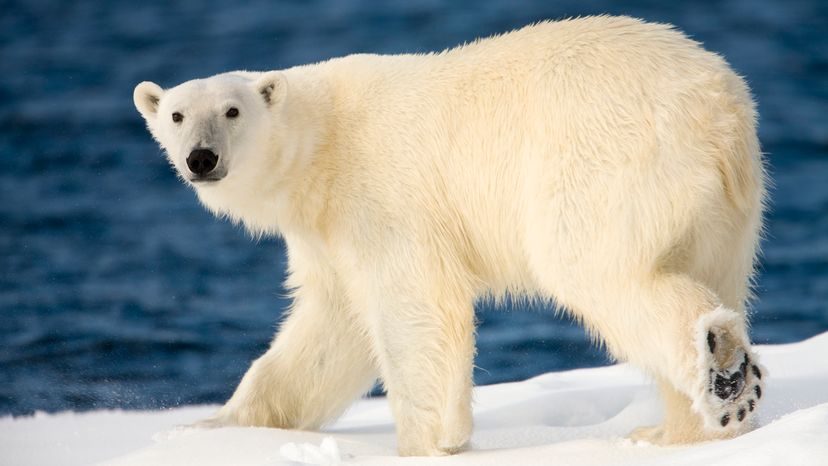
If you are looking for raw, unadulterated danger, you look north. The polar bear is the largest land carnivore on the planet. Standing on its hind legs, it can tower over 10 feet tall. Weighing up to 1,500 pounds for massive males, the physics of an encounter are simple. You lose.
Unlike brown bears or black bears, which are omnivores and typically view humans as potential threats or annoyances, polar bears are obligate carnivores. In the Arctic, food is scarce. Humans are not just intruders; they are potential meals. This is why the polar bear is widely considered the most dangerous bear species in the world.
Why Polar Bears Hunt Humans
The primary reason for this lethal reputation is hunger. In regions like Svalbard or the high Arctic archipelagos, polar bear populations can exceed the available prey density. When seals are hard to catch, a starving bear will test everything.
Most bear attacks are defensive. A mother protects her cubs. A bear is surprised while sleeping. A polar bear attack is often predatory. It stalks. It approaches. It does not roar to warn you off. It moves with silent, terrifying purpose.
Speed and Stealth
People underestimate polar bear speed. On snow, they can sprint at 25 miles per hour. In water, they are graceful and fast swimmers. If you are on foot, you cannot outrun them. If you are in a vehicle, you might survive a short chase, but a bear will ram a car door with enough force to crush steel.
Their camouflage is another factor. White fur against snow and ice makes them nearly invisible until they are within striking distance. This stealth means you often do not see them coming until it is too late.
How to Survive an Encounter
Knowing the most dangerous bear facts is the first step. The second is understanding how to react.
- Never run. Running triggers the chase instinct.
- Make noise. Yell, bang pots, or use air horns to show you are human.
- Stay calm. Sudden movements can be interpreted as prey behavior.
- Use deterrents. Bear spray is effective, but it requires quick thinking and practice to deploy.
The Reality of Survival
Statistically, polar bear attacks are rare. They are isolated.

The Grizzly’s Red Flag Warning
If the polar bear is the silent, sprawling terror of the ice, the grizzly is the explosive force of the mountains. While the polar bear relies on size and cold indifference, the grizzly relies on raw muscle and a temper that can flare in a heartbeat. They are the apex predators of North America’s northern forests and grasslands, and their reputation for unpredictability is well-earned.
Adult male grizzlies can tip the scales at over 800 pounds, though females are significantly smaller. This isn’t just about weight; it’s about density. A grizzly’s shoulder hump is a powerhouse of muscle, designed for digging and swiping with lethal precision. Their claws are not for climbing trees like a black bear, but for tearing into earth and flesh alike, often measuring up to four inches long.
Why Grizzlies Are Considered Dangerous
People often confuse fear with danger. With grizzlies, the fear is justified. They are highly territorial, especially when protecting cubs or a prime food source. Unlike polar bears, which are solitary and generally avoid humans unless starving, grizzlies have a complex social structure and can be aggressive if they feel threatened or surprised.
A key factor in grizzly danger is their lack of natural predators. They sit at the top of the food chain, meaning they haven’t evolved to flee from large threats. They stand their ground. This confidence can be fatal for a human who misreads the signs.
How Grizzlies Hunt and Eat
Grizzlies are opportunistic omnivores, but their diet skews heavily toward protein when available. Salmon runs in the Pacific Northwest are a major event, drawing bears in droves to rivers and streams. But they also hunt mammals like moose calves, elk, and deer. Their sense of smell is extraordinary, capable of detecting a carcass from miles away. This keen sense helps them survive harsh winters, but it also brings them into conflict with humans who leave food unsecured in campsites.
Where Encounters Happen
Grizzlies range across Alaska, Canada, and parts of the northern United States, including Yellowstone and Glacier National Parks. They prefer rugged terrain, dense forests, and alpine meadows where they can forage for berries and roots in the summer and hunt in the spring. Human expansion into these areas increases the likelihood of encounters.
Many attacks occur when hikers or hunters surprise a bear at close range. Grizzlies are not ambush predators in the same way cougars are; they often rely on intimidation. A charge is frequently a bluff, meant to scare off a perceived threat. But if a bear makes contact, the outcome can be severe.
The Role of Provocation
It’s extremely unlikely for a human to provoke a grizzly unless they are careless. Leaving food out, approaching a cub, or surprising a bear on a trail are common triggers. Grizzlies don’t view humans as prey typically, but they do view them as a potential nuisance or threat that needs to be neutralized. Their strength means that a single swipe can cause massive trauma.
In the wild, grizzlies are powerful, intelligent, and deeply connected to their environment. They are not monsters, but they are wild animals with instincts that do not account for human fragility. Respecting their space is not just a recommendation; it’s a survival strategy.
The next chapter in this series of dangerous bears
2. Grizzly Bear Tactics
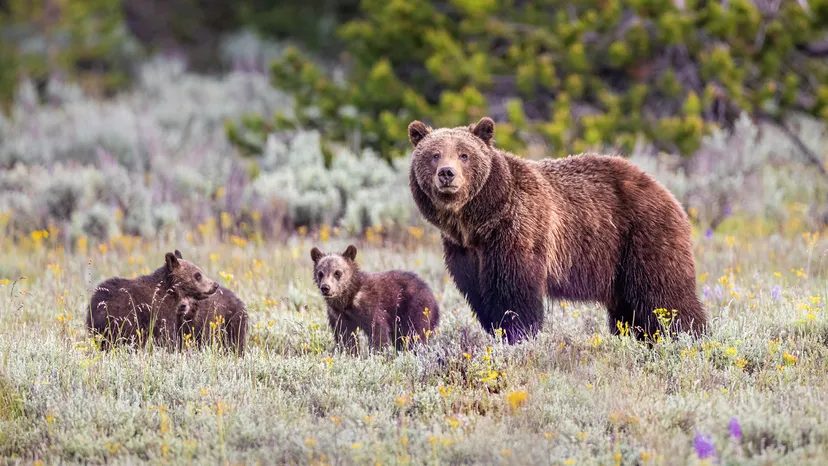
Ranked second on the list of dangerous North American predators is the grizzly bear. This subspecies of the North American brown bear has a well-earned reputation for aggression. It is responsible for more bear attacks in North America than any other species, particularly in Alaska and western Canada.
These animals are massive. Adults can weigh up to 800 pounds (362.9 kg). They are fiercely protective of their cubs and their territory. Their nature is unpredictable. Their speed and strength mean that any encounter has the potential to turn deadly quickly.
If you find yourself in a grizzly bear attack or a conflict with another brown bear, the National Park Service has specific advice. You should lay down on the ground. Make yourself as motionless as possible. The goal is to convince the animal that you are not a threat to it or its young.
You cannot outrun these hulking bears. You cannot overpower them. Wait several minutes for the grizzly to leave the area before you try to get up and move around.
3. Kodiak Bear
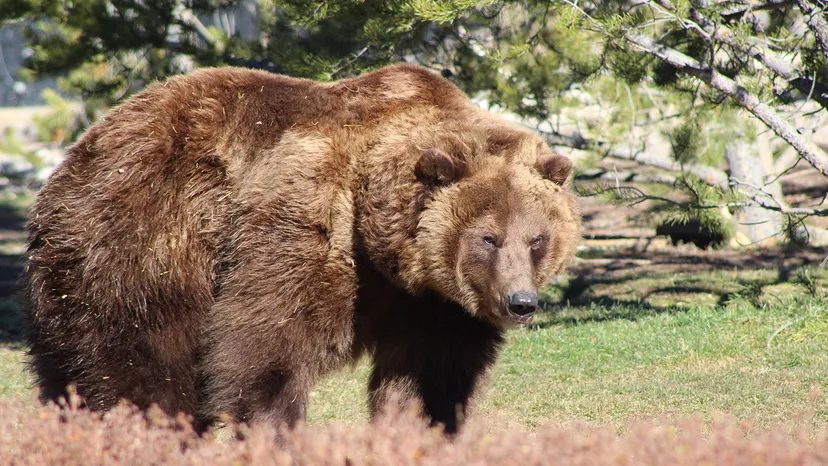
The Kodiak bear isn’t just a big brown bear. It’s a subspecies (Ursus arctos middendorffi ) that calls the Kodiak Archipelago in Alaska home. Isolation there created something unique. These animals grew massive. They hit over 1,400 pounds. That’s 635 kilograms of muscle and fur.
People often ask if these giants hunt humans. They don’t. Generally, they ignore us. But don’t mistake indifference for safety. Their size alone makes them dangerous. Strength is their primary defense.
If you provoke a Kodiak, it fights back. Fiercely.
The data shows they rarely initiate conflict. But when threatened, their reaction is immediate and violent. It’s not malice. It’s survival. A provoked Kodiak has the power to end a human life instantly. Respect the space. Keep your distance.
The Sloth Bear’s Unique Edge
- Sloth Bear
Moving from the cold shores of Alaska to the tropical forests of India and Sri Lanka, we find the sloth bear. They look nothing like their northern cousins. Long, shaggy black fur covers a slender frame. A distinctive pale “V” or “U” shape marks their chest. Their snout is long and hairless. Designed for one thing: eating ants and termites.
Why Sloth Bears Are Different
Sloth bears are solitary. They spend most of their time foraging. Their claws are long and curved. Not for digging holes. For tearing open insect mounds. This specialization makes them fragile in a direct fight. But don’t underestimate them.
They can be aggressive when surprised. Especially mothers with cubs. Their bite is powerful. Strong enough to crack hard-shelled insects. A human bone isn’t much harder.
Habitat and Conservation Status
Where do they live? Tropical and subtropical forests. Scrublands. Grasslands. Across South Asia. Their habitat is shrinking. Agriculture encroaches. Forests are cleared. This puts them in conflict with humans more often.
The IUCN lists them as Vulnerable. Population numbers are dropping. Poaching for traditional medicine adds pressure. Habitat loss removes their food source. Conservation efforts focus on protecting forest corridors.
Do Sloth Bears Attack Humans?
Unlike the Kodiak, sloth bears sometimes view humans as prey or competitors. Not because they hunt people. But because they defend their food. A bear guarding an ant mound will charge. Fast.
Their defense mechanism is unique. They stand on hind legs. Hiss loudly. Bite at the threat. It’s a bluff. Until it isn’t. A bite from a sloth bear can cause severe injury. Their teeth are small. But sharp. Designed for precision.
Key Differences: Kodiak vs. Sloth Bear
- Size: Kodiak bears are giants. Sloth bears are medium-sized.
- Diet: Kodiaks are omnivores. Sloth bears are insectivores.
- Temperament: Kodiaks avoid humans. Sloth bears can be defensive.
- Location: Alaska vs. South Asia.
Understanding these differences matters. One mistake in either habitat can be fatal. Knowledge is the best defense. Stay informed. Stay safe.
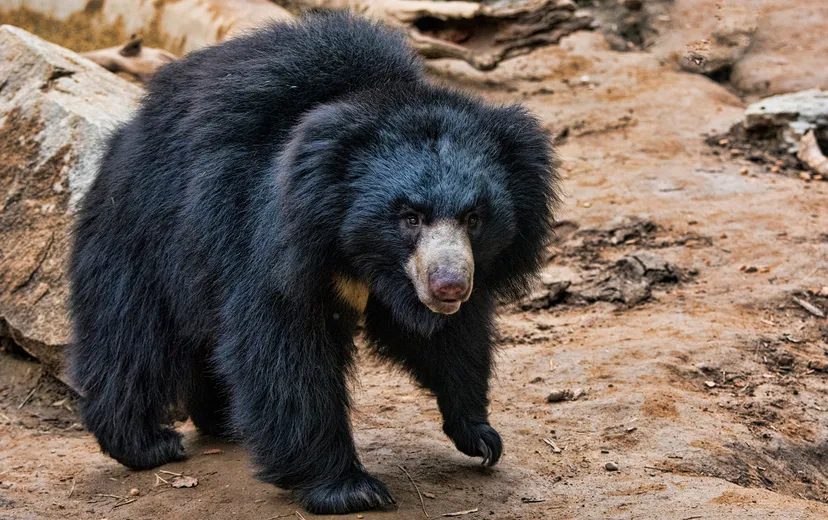

The name “sloth bear” suggests a lazy, gentle creature, but that is a dangerous misconception. These bears, found across India and Sri Lanka, are notoriously aggressive. They are not just fast; they are heavily armed. Their long, sharp claws and powerful jaws make them formidable opponents. Unlike most bear species, sloth bears have a reputation for attacking humans without provocation. These encounters often result in serious, sometimes fatal, injuries.
This high rate of conflict isn’t random. It’s a direct result of overlapping habitats. Sloth bears live in regions with dense human populations. The bears didn’t become aggressive for no reason. Experts believe this behavior evolved as a defense mechanism against Asian tigers. Tigers often prowl in the same forests, making the bears’ hostility a survival strategy. Now, that same defense targets humans.
The Reality of Sloth Bear Aggression
Sloth bear attacks are among the most frequent in the world. The primary driver is geography. These bears inhabit areas where humans and wildlife collide regularly. The bears are not seeking out conflict, but they do not shy away from it. Their aggression is a response to perceived threats in crowded environments.
How Evolution Shaped Their Behavior
The link between sloth bears and their historical predators is key. Asian tigers were once the dominant apex predators in these regions. To survive, sloth bears developed a fierce defensive posture. This behavior persists today, even though tigers are less common than they once were. The instinct remains hardwired.
Why Humans Are at Risk
Sloth bears are not shy. They do not flee from humans. Instead, they stand their ground. This makes encounters in the wild particularly dangerous. The combination of their physical strength and their willingness to engage creates a high-risk scenario. Understanding this behavior is crucial for anyone entering their habitat.
The Role of Habitat Overlap
The frequency of attacks is tied to where these bears live. In India and Sri Lanka, human expansion has encroached on traditional bear territories. This overlap increases the likelihood of encounters. The bears’ defensive aggression is triggered by the presence of humans, leading to violent outcomes.
Comparing Sloth Bears to Other Species
Most bears avoid human contact. Sloth bears do not. This distinction sets them apart in the bear family. Their behavior is more akin to a cornered animal than a typical wild bear. This makes them unique in terms of risk assessment for hikers and locals.
The Impact on Local Communities
For communities living near sloth bear habitats, the threat is constant. The bears’ aggressive nature means that caution is always necessary. This affects how people live and move through the forest. The bears’ behavior dictates the rules of coexistence, often to the detriment of humans.
Understanding the Defense Mechanism
The evolutionary origin of their aggression is a defense against tigers. This historical context explains their current behavior. Even without tigers nearby, the instinct remains. It is a deep-seated response to perceived danger. This makes their aggression predictable but still dangerous.
The Danger of Unprovoked Attacks
Sloth bears are known to attack without clear provocation. This unpredictability adds to the danger. Humans cannot always anticipate when a bear will become hostile. This makes safe coexistence difficult. Understanding this trait is essential for anyone in their range
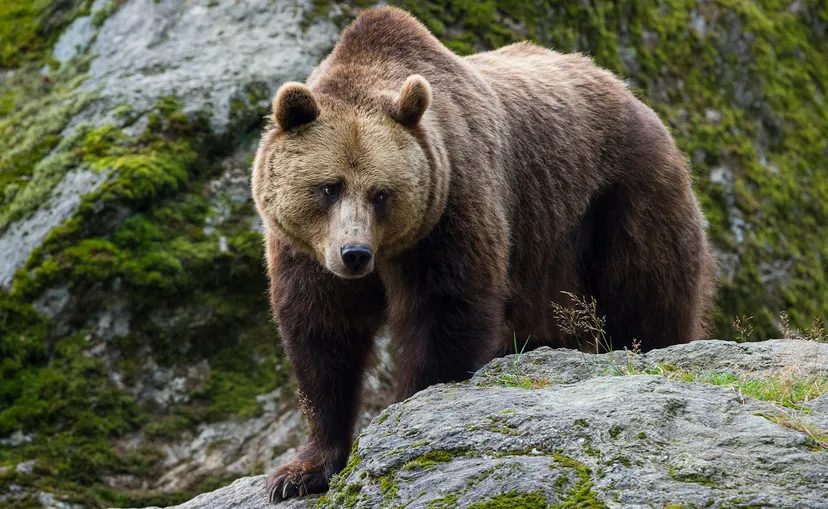

The Eurasian brown bear isn’t just a big version of the bears you see in cartoons. It’s a distinct species roaming across Europe and parts of Asia. They prefer to keep to themselves. Most are shy. But don’t let that comfort you. If you startle one or provoke it, the dynamic shifts instantly. These animals possess massive size and jaws capable of crushing bone. A single encounter with an angry bear can be fatal.
Most attacks aren’t unprovoked hunts. They happen when the bear feels cornered or surprised. This unpredictability makes them particularly dangerous in the wild. You can’t always read their signals.
Understanding the Threat of Eurasian Brown Bears
Why do they lash out? It’s usually defense. They aren’t looking for a fight until one is forced upon them. This makes them one of the more volatile species to encounter. If you’re hiking in their territory, the margin for error is slim. A sudden movement can trigger a defensive response. The result is often lethal.
The power behind a Eurasian brown bear bite is immense. Their skeletal structure supports a level of force that humans simply cannot withstand. Even a warning charge can cause fatal injuries through panic or secondary accidents. This isn’t just about being strong. It’s about the sheer unpredictability of their reaction to perceived threats.
6. Far Eastern Brown Bear
The Far Eastern brown bear takes the Eurasian species to an extreme. Found in the Russian Far East, parts of China, and Korea, these are among the largest terrestrial carnivores on Earth. They don’t just rival the Eurasian bear in temperament; they exceed it in size. Males can weigh over 700 pounds.
This subspecies is less common than its western cousin due to habitat loss and hunting, but where they remain, they are apex predators. Their range is fragmented, often pushed into remote, rugged terrain. This isolation means encounters are rare but potentially more severe due to the animals’ substantial mass.
The Far Eastern brown bear shares the same defensive triggers as its relatives. Surprise is the primary catalyst for aggression. However, the stakes are higher. A misstep here doesn’t just mean a scare. It means survival is uncertain. The dense forests of the Russian Far East provide cover for these giants. Visibility is low. Detection is difficult.
When you consider the combination of size, strength, and habitat, the Far Eastern brown bear represents a significant hazard. It’s not just another bear. It’s a heavyweight champion of the wild. And like any champion, it doesn’t take kindly to intrusion.
The question remains: how prepared is a hiker for an animal that can move through dense brush faster than it can run? The answer usually involves respect for distance and silence. Anything less is a gamble with fatal odds.
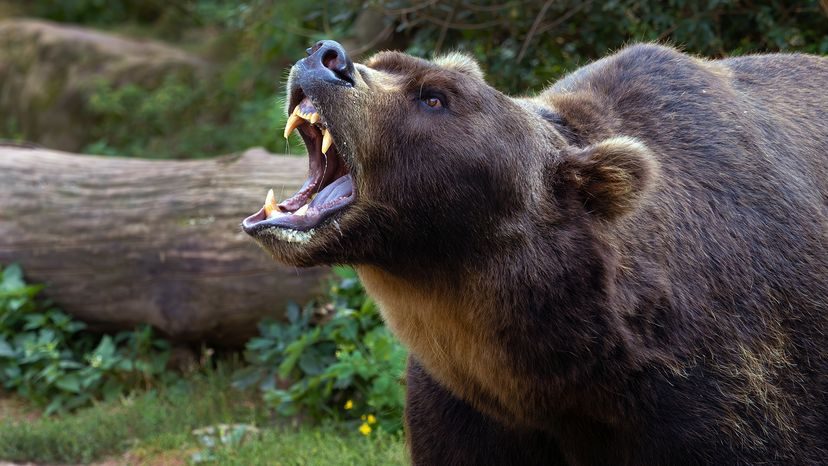
The Far Eastern brown bear, also known as the Kamchatka brown bear, dominates the wilds of Siberia and parts of Japan. It is not just a cousin to the standard Eurasian brown bear; it is an upgraded, more lethal version. Researchers note that these bears are larger and significantly more carnivorous than their European counterparts. This dietary shift changes their behavior entirely. They are not just scavengers looking for berries. They are apex predators who view other animals, and occasionally humans, as prey.
Aggression levels in this subspecies are notably high. While most brown bears will flee from humans, the Kamchatka variety has been recorded hunting people. It happens rarely. When it does, it is usually fatal. The danger is compounded by their range. Their habitat overlaps heavily with human settlements in remote regions. This proximity creates a high likelihood of conflict. They are widely considered one of the most dangerous bears on the planet.
7. American Black Bear
If the Kamchatka brown bear represents peak predatory danger, the American black bear (Ursus americanus ) represents the opposite end of the spectrum. Despite their name, these bears are not always black. They can be brown, cinnamon, blond, or even white. The name is a misnomer that sticks simply because the dark coat is most common in the wild.
They are the most widespread bear species in North America. You can find them from Alaska to Panama, and from the Atlantic coast to the Rocky Mountains. Their adaptability is their superpower. They thrive in forests, swamps, deserts, and mountains. Unlike the massive Kamchatka bear, American black bears are smaller. Males typically weigh between 130 and 400 pounds. Females are much lighter, often under 200 pounds.
Are black bears aggressive?
Most people assume all bears are dangerous. This is a dangerous myth. The American black bear is generally shy and avoids humans. They are not territorial in the same way a grizzly or a brown bear might be. Their primary defense is flight. If a human stumbles upon a black bear, the bear will usually climb a tree or run away. Climbing is easy for them. It is a skill cubs master early.
Attacks are rare. Extremely rare. In the United States and Canada, black bears are responsible for far fewer human injuries than any other bear species. When attacks do occur, they are often linked to food conditioning. A bear that has learned to associate humans with garbage or pet food loses its fear. This behavioral change is the real threat, not the animal’s inherent malice.
Black bear vs. brown bear: Which is more dangerous?
The contrast is stark. A brown bear, particularly the large subspecies like the Kamchatka, can weigh over 1,000 pounds. They are muscular and powerful. A black bear rarely exceeds 400 pounds. The size difference alone dictates the outcome of an encounter. A brown bear can crush a human skull with a single bite. A black bear is more likely to bite in self-defense than to hunt for sport.
Survival experts agree on one rule for black bears: do not run. Running triggers a chase instinct. Instead, you should make yourself look big. Wave your arms. Shout
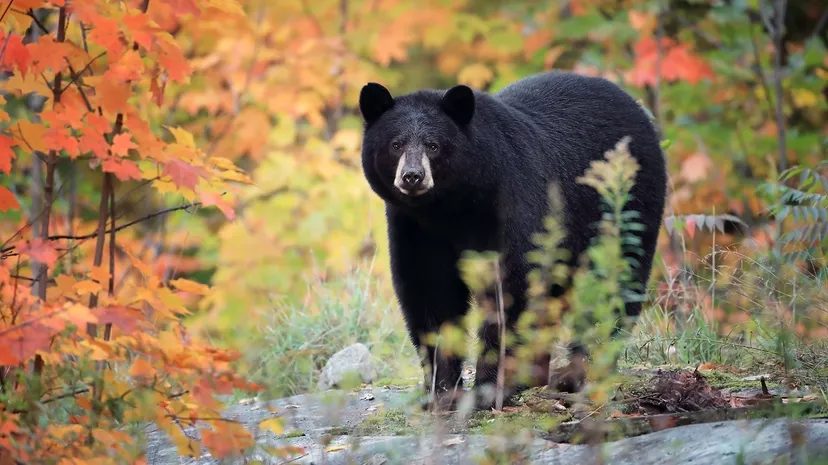

They are everywhere in North America, yet they remain the shyest of the big cats—wait, wrong category. The big bears. American black bears (Ursus americanus ) are the most numerous bear species on the continent, but that abundance doesn’t make them invincible. In fact, their timidity is a survival trait. They’d rather run than fight.
Don’t let their shyness fool you into complacency.
When food is scarce, or when a sow has cubs nearby, the instinct to flee vanishes. A cornered black bear is a dangerous one. While they account for fewer human fatalities than grizzlies or brown bears, their opportunistic nature creates frequent overlap with human habitats. This proximity is the real danger. A startled bear is unpredictable.
If you find yourself face-to-face with an American black bear, the strategy flips on its head.
How to Handle a Black Bear Attack
Unlike encounters with grizzly bears, where playing dead is often the recommended defense, black bear attacks require a different approach. Experts advise fighting back.
Make yourself loud. Swing your arms wide to look larger. Use any weapon at your disposal—branches, rocks, hiking poles. The goal is to convince the bear that you are not easy prey. You are fighting for your life, not trying to survive a passive encounter.
“Be loud, swing your arms and hit the bear with branches or anything at your disposal in order to scare the animal off.”
If physical resistance fails, deploy bear spray. Aim it directly at the creature’s face. It is a powerful deterrent designed to send the animal packing. It works.
The Spectacled Bear
8. Spectacled Bear
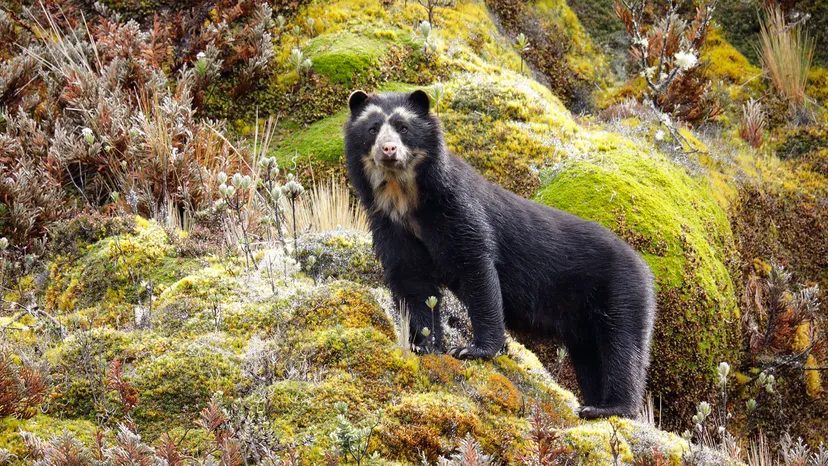
Spectacled bears call the Andes Mountains home, a region spanning several South American countries. They are not like the clumsy, curious bears you might see in a documentary about North America. These animals are shy. They are elusive. They want to avoid you.
But do not mistake that shyness for weakness.
While spectacled bears do not hunt humans, they are not passive. If they feel cornered, if a cub is nearby, or if a human gets too close, they will defend themselves. And they are well-equipped for it.
Smaller Size Does Not Mean Less Threat
Compare a spectacled bear to a brown bear or a polar bear. The spectacled bear is tiny in comparison. An adult male might weigh only 130 to 170 pounds. A polar bear can weigh over 1,500 pounds. The difference is staggering.
So why are spectacled bears dangerous?
Their claws are sharp. Their jaws are strong. In a face-to-face encounter, size is not the only factor. A bite from a spectacled bear can break bone. A swipe can tear skin. You are small enough to be vulnerable, but large enough to be a threat.
This is not a myth. It is biology.
Why This Matters in the Wild
Most people think of bears as monsters. They are not. They are animals. They react to their environment. The spectacled bear’s behavior in the Andes is a survival strategy. The forest is dense. The terrain is steep. Visibility is low. Staying hidden is better than fighting.
But when fighting becomes necessary, they do not hesitate.
If you are hiking in the Andes, this is the reality. You might not see them for days. When you do, they will likely run. But if you block their path? They will not run. They will react.
The Real Risk Is Misunderstanding
We often categorize animals as “safe” or “dangerous.” It is a false dichotomy. The spectacled bear is neither. It is a wild animal with limits.
Respect those limits.
Keep your distance. Do not approach. Do not provoke. Let them be elusive. That is their natural state. That is your safety.
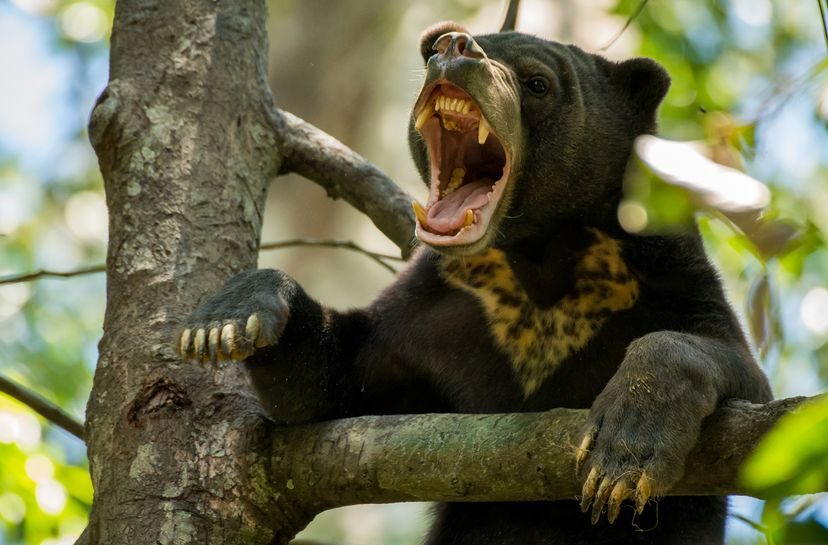

The sun bear might be the runt of the litter, but it packs a punch that belies its stature. Found in the dense, humid forests of Southeast Asia, this diminutive bear is often underestimated. People see a small creature with a distinctive yellow-orange chest patch and assume harmlessness. That assumption is a mistake.
Size doesn’t equal docility here. When a sun bear feels backed into a corner, it doesn’t run. It fights. They possess long, curved claws designed for tearing into tree bark and strong jaws capable of crushing hard nuts and shells. These are not passive animals waiting to be petted. They are formidable predators.
While encounters with humans are relatively rare compared to grizzlies or brown bears, the danger remains real. An aggressive sun bear is a serious threat.
The Myth of the Gentle Giant
10. Giant Panda
If the sun bear is the underestimation trap of the bear world, the giant panda is its mirror image. Or at least, it was for a long time. For decades, the public perception of the giant panda was that of a gentle, bamboo-chewing icon of peace. It’s the animal on every t-shirt and lunchbox. But strip away the cartoonish appeal, and you are left with a creature that is biologically, structurally, and behaviorally a bear first.
The giant panda is a masterclass in evolutionary compromise. It belongs to the order Carnivora, sharing ancestors with lions, tigers, and wolves. Its digestive system is still that of a carnivore. Yet, it has evolved to eat almost exclusively bamboo. This is a nutritional nightmare. Bamboo is low in calories and high in fiber. To survive, pandas must spend up to 14 hours a day eating, consuming 26 to 84 pounds of the stuff daily. This isn’t a polite snack; it’s a constant, desperate fueling process.
This dietary constraint shapes everything about the panda’s life. It limits their range. It limits their energy. It limits their aggression—until it doesn’t.
Why Giant Pandas Are More Dangerous Than You Think
Giant pandas are solitary animals. They mark their territory with scent glands and vocalizations. If another panda, or a curious human, intrudes on that space, the response can be swift. They are much stronger than they look. A full-grown male panda can weigh over 200 pounds. Its bite force is estimated to be around 1,300 PSI—strong enough to crush bamboo stalks, which are notoriously tough.
In the wild, pandas have been known to attack. There are documented cases of wild pandas injuring poachers or other intruders. They are not cuddly. The image of the playful, clumsy panda is a curated one. In reality, they are unpredictable.
Key Differences: Sun Bear vs. Giant Panda
When comparing the sun bear and the giant panda, the contrast in threat level is stark, though both demand respect.
- Temperament : Sun bears are more likely to show immediate aggression when threatened. Giant pandas are generally more passive but possess greater physical power.
- Size : Sun bears weigh 60 to 140 pounds. Giant pandas weigh 70 to 250 pounds. The panda has a significant mass advantage.
- Defense Mechanisms : Sun bears
The Reality of Giant Panda Aggression
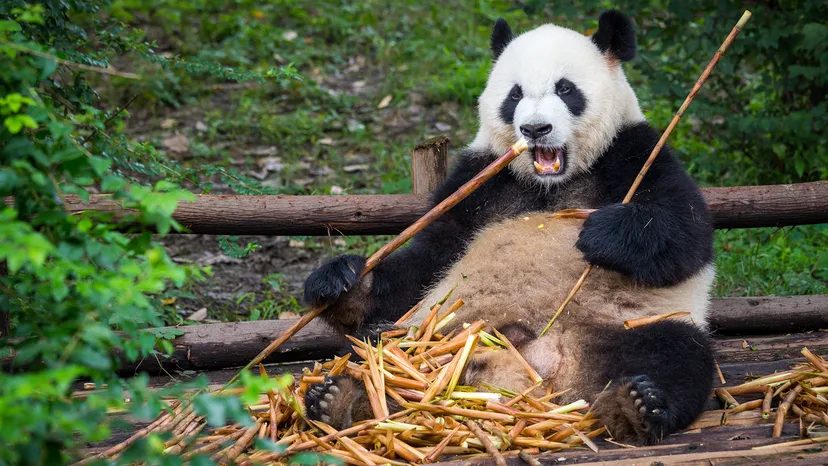
Don’t let the cute, bamboo-chomping image fool you. That giant panda is a bear. It has the claws, the teeth, and the muscle mass to inflict serious damage if it feels threatened.
Solitary and generally peaceful, pandas don’t seek out conflict. But size matters. A fully grown male can weigh up to 300 pounds. If cornered, that strength turns defensive.
Human attacks are exceptionally rare. They sit at the bottom of the list for dangerous bear species. Not because they are docile pets, but because they avoid humans almost entirely.
Still, understanding panda behavior is key for anyone venturing into their habitat.
How to Avoid Panda Conflict in the Wild
If you are hiking in areas where giant pandas roam, standard bear safety applies. The goal is to avoid surprising them.
Experts recommend securing all food. Leaving scraps out invites bears into your space. It is not worth the risk.
Travel in groups. Noise helps too. Make plenty of it. Catching a bear off guard triggers aggressive behavior.
Carry bear spray or mace. It is a last resort, but it can stun an attacker.
“Leaving food out may attract bears. Travel in groups and make plenty of noise to avoid catching the fierce animals off guard.”
Pandas are not trying to hunt you. They are trying to avoid you. Respect that.
The line between cute and dangerous is thin in the wild. Stay alert.


