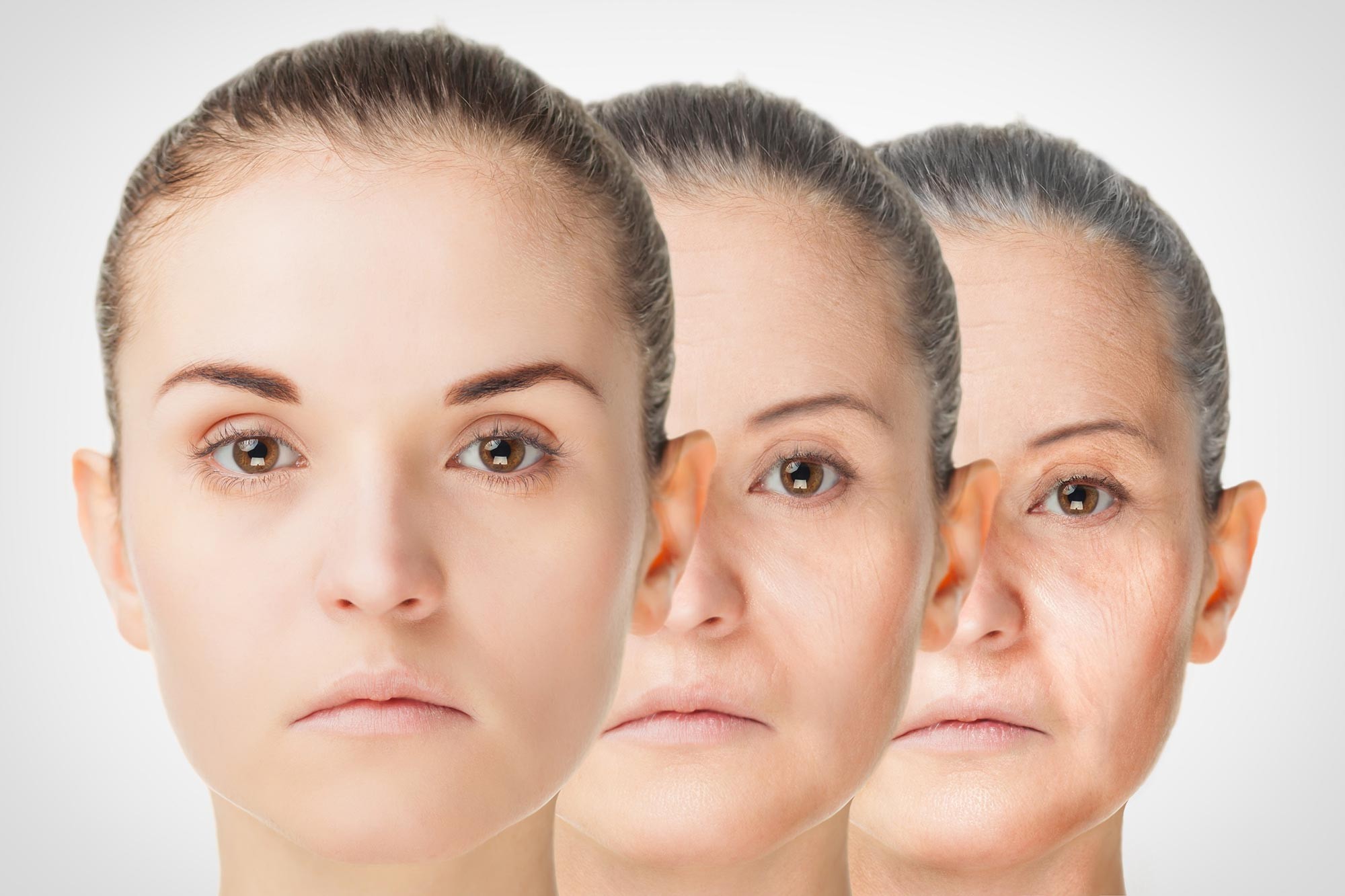
Recent scientific research suggests that a specific compound found in unusual marine life might do more than just slow down the aging process—it could potentially reverse it.
A collaborative study involving institutions such as Stanford University and Xi’an Jiaotong-Liverpool University has identified plasmalogens —compounds abundant in sea squirts—as a powerful candidate for protecting both the brain and the body from age-related decline.
The Role of Plasmalogens in the Human Body
Plasmalogens are not foreign to us; they are vital components of human biology, making up approximately 20% of the phospholipids in our tissues. They are particularly concentrated in high-demand areas like the brain, heart, and immune cells.
However, there is a critical biological catch: as we age, our natural levels of plasmalogens steadily decline. This depletion is closely linked to the onset of neurodegenerative conditions, including Alzheimer’s and Parkinson’s diseases. This connection has led researchers to investigate whether replenishing these levels through diet could mitigate or reverse the damage.
Breakthrough Results in Animal Trials
To test this hypothesis, researchers conducted a two-month study on older female mice, a group representing humans in late middle age. The mice were given daily doses of plasmalogens, and the results were striking:
- Cognitive Recovery: Using the “Morris water maze” (a test of spatial memory), researchers found that treated mice navigated much more efficiently than their peers, performing similarly to younger mice.
- Physical Rejuvenation: Beyond the brain, the mice showed visible systemic improvements, including the growth of thicker, darker, and glossier fur.
- Brain Regeneration: High-resolution imaging revealed that the treatment didn’t just stop damage; it encouraged the formation of new synapses (the connections between neurons) and boosted genes responsible for neurogenesis (the creation of new neurons).
How It Works: The Science of Repair
While the full mechanism is still being studied, scientists have identified three primary ways plasmalogens appear to work:
- Structural Flexibility: Plasmalogens increase the fluidity of cell membranes. This makes it easier for neurons to communicate rapidly across synapses.
- Reducing Inflammation: Aging often causes “microglia” (the brain’s immune cells) to become hyperactive, causing chronic inflammation that kills neurons. Plasmalogen treatment appears to calm this response, creating a “peaceful” environment for repair.
- The Gut-Brain Axis: There is growing evidence that these compounds influence gut microbes. Since the gut and brain are deeply interconnected, dietary changes in the digestive tract may be driving neurological improvements.
From Traditional Diets to Future Medicine
The source of these compounds—the sea squirt —is already a staple in certain cultures. In Japan, they are known as hoya, and in Korea as meongge, where they are commonly eaten raw.
While these findings are groundbreaking, researchers urge caution. These results are based on animal models, and human biology is significantly more complex. However, the success of these trials opens a new door for pharmaceutical development. If these effects can be replicated in humans, we may see the rise of targeted supplements or even oral therapies designed specifically to halt neurodegeneration and promote brain regeneration.
“Our research suggests that plasmalogens may not just stop cognitive decline, but may reverse cognitive impairments in the ageing brain.” — Professor Lei Fu
Conclusion: While human trials are still necessary, the ability of plasmalogens to rebuild neural networks and reduce brain inflammation marks a significant step forward in the quest to treat age-related cognitive decline.