New data changes the map. Again.
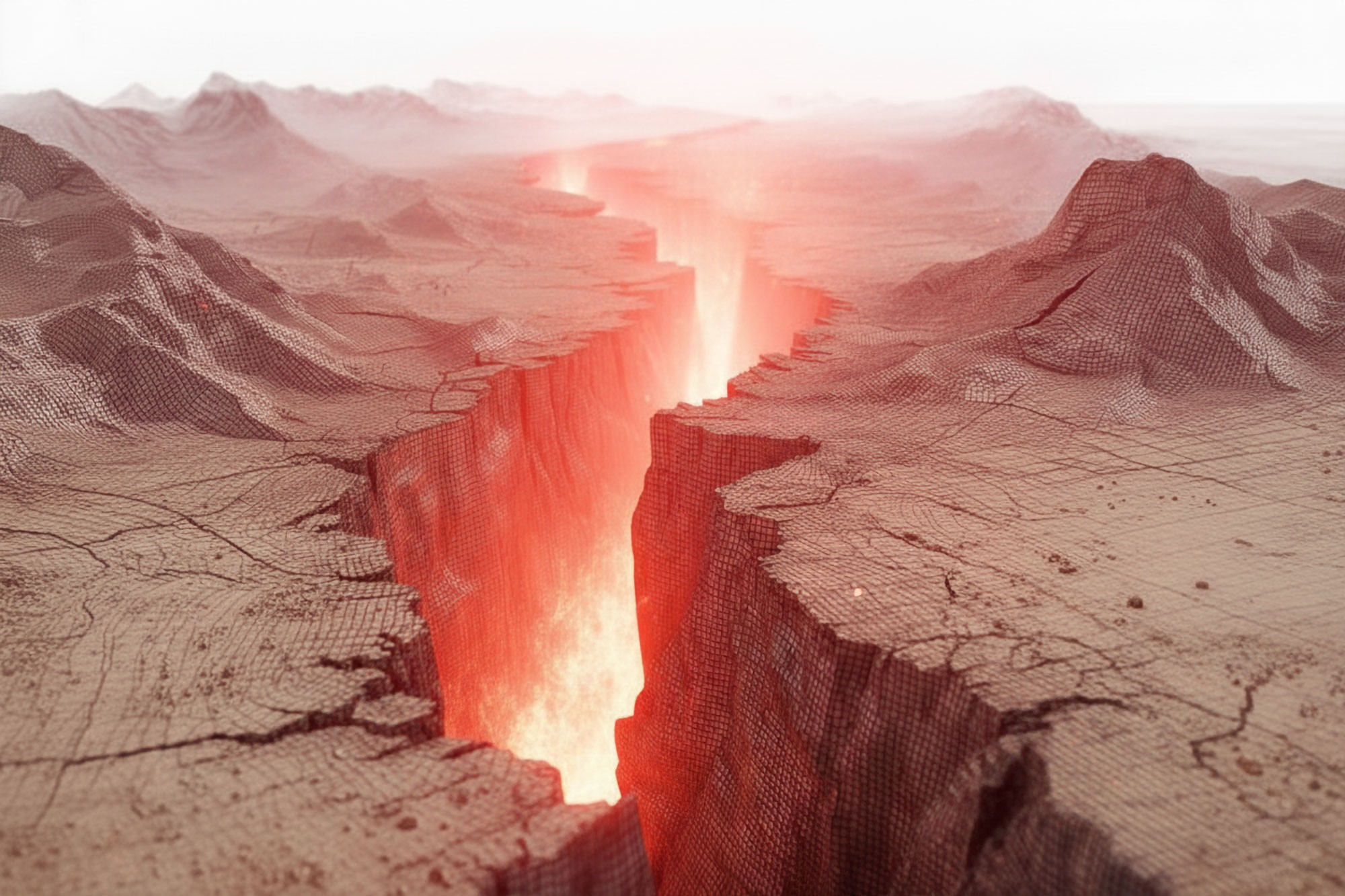
For a while, we assumed the Juan de Fuca plate was hiding deep under our feet. Turns out we were wrong. The slab sits much closer to the surface in northern Oregon than models predicted. And depth matters. It really does.
“We estimate that the slab interface is about 20 kilometers deep near the coastline,” says Erin Wirth, a USGS seismologist.
That number? It’s 5 kilometers shallower than everyone else said. Just five kilometers. But in geology, that’s the difference between a tremor you feel in your tea cup and a tremor that cracks your foundation. Wirth presented this at the 2026 Seismological Society of America annual meeting.
Here is the bad news. Shallower faults mean less rock for the seismic energy to punch through before it hits us. The energy doesn’t fade away as much. It arrives angry. Wirth says peak ground acceleration—shaking intensity—could jump by 9 to 17% along the northern coast during a megathrust quake.
It’s not just the fault. The dirt on top matters too.
A Basin Beneath Tillamook
Researchers found something else. A deep sedimentary basin under Tillamook. It’s the first time they’ve actually measured its shape and depth with direct seismic data.
Soft soil is trouble. Everyone knows this, yet we keep building on it. The Seattle Basin gets all the press, but Tillamook has its own version of the problem. These basins trap seismic waves.
Think of it like a bowl of jello. The soft material shakes wildly. It holds onto the energy. The waves bounce around the edges of the basin instead of escaping into the solid rock.
The shaking lasts longer. Tall buildings hate long shaking. They sway. They stress. They break. Wirth noted that characterizing this layer helps scientists guess what future earthquakes might actually do. Before, they were guessing based on neighbors. Now? They have data.
Closing the Data Gap
Why was this unknown for so long? Oregon is boring.
Not politically. Seismically. Compared to Washington or Northern California, northern Oregon barely moves. No frequent small quakes to give clues. No background noise to map the underground structures. It’s a quiet place. Which makes it terrifying. Because the big ones don’t announce themselves.
Wirth’s team didn’t wait for a quake. They dropped 192 temporary nodal seismometers. Just summer 2021. And summer 2022. Spread from Tillamook to Portland. They also pulled data from an offshore study covering Vancouver Island to NorCal. Both sources agreed. The slab is shallow.
The datasets merged into a clearer picture. One that demands a rewrite of the hazard maps.
The team isn’t done. They plan to look at the Tualatin Basin near Portland next. More nodal analysis. More dirt. More questions about how deep the ground shakes here.
We spent decades preparing for a specific magnitude. We built codes for it. Now the ground might move harder. Harder than the math said.
Does that mean panic? No.
But it means the margin of error is smaller than we hoped. The earth is closer to us. We just didn’t measure it right.
What do you do with a map you have to redraw every year?