A recent study has uncovered a potential breakthrough in the fight to save honeybee populations. Researchers have discovered that a specific population of hybrid honeybees in Southern California possesses a natural, genetic defense against the Varroa destructor mite—a parasite that has long been one of the greatest threats to global bee health.
The Threat: Why Varroa Mites Matter
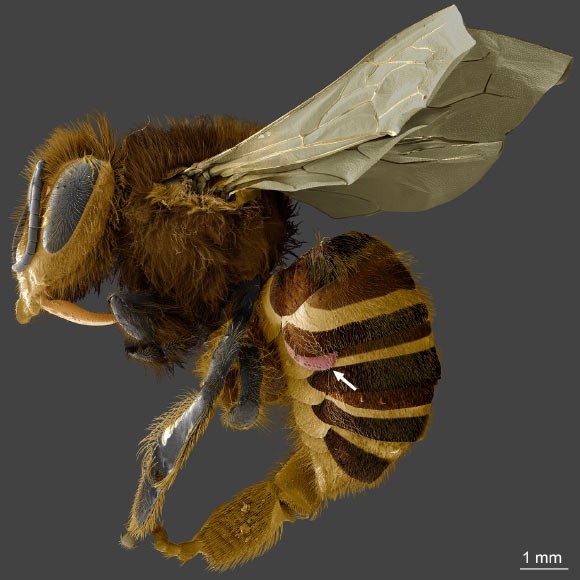
The Varroa mite is more than just a nuisance; it is a devastating parasite that targets the honeybee’s fat body. In biological terms, the fat body is a multi-functional organ that acts much like the human liver, pancreas, and immune system combined.
By feeding on this tissue, mites cause a cascade of harm:
– Immune Suppression: They weaken the bee’s ability to fight disease.
– Physical Decline: They reduce body weight and shorten the bee’s lifespan.
– Viral Transmission: The mites act as vectors, injecting deadly pathogens—such as the deformed wing virus and acute bee paralysis virus—directly into the bee’s bloodstream.
For decades, beekeepers have relied heavily on chemical treatments to manage these infestations. However, there is a growing concern that these chemicals may lose their effectiveness over time, leaving colonies vulnerable.
The Discovery: Natural Resistance in Hybrid Populations
The research, led by Genesis Chong-Echavez and Professor Boris Baer from the University of California, set out to investigate anecdotal reports from beekeepers who claimed that Californian bees seemed to survive with far fewer chemical interventions.
Between 2019 and 2022, the team monitored 236 honeybee colonies in Southern California. These bees are a unique genetic mix, comprising lineages from Western Europe, Eastern Europe, the Middle East, and Africa. The findings were striking:
- Lower Mite Loads: Colonies led by locally raised Californian hybrid queens had, on average, 68% fewer Varroa mites than those led by standard commercial queens.
- Reduced Chemical Dependency: These hybrid colonies were five times less likely to reach the critical mite thresholds that require chemical treatment.
A Biological Advantage from Birth
To determine if this resistance was a learned behavior or something deeper, researchers conducted laboratory experiments on developing larvae. Because Varroa mites must enter brood cells to reproduce, the researchers tracked how attracted the mites were to different types of larvae.
The results revealed that the mites were significantly less attracted to the larvae of the Californian hybrid bees, particularly at the seven-day mark —the stage when mites typically attempt to invade.
“What surprised me most was the differences showed up even at the larval stage,” noted Chong-Echavez. “This suggests the resistance mechanism may go deeper than some kind of behavior and may be genetically built into the bees themselves.”
This distinction is crucial. If the resistance is behavioral, bees can be trained or selected based on how they act. However, if the resistance is genetically encoded during the larval stage, it opens the door to breeding more resilient bee stocks that are biologically equipped to defend themselves from the moment they develop.
Why This Matters for the Future
As global pollinator populations face increasing pressure from climate change and habitat loss, finding sustainable, non-chemical ways to manage parasites is essential. This study suggests that the “secret” to protecting our most important agricultural pollinators may lie in the genetic diversity of hybrid populations.
By understanding and potentially harnessing these natural genetic defenses, scientists and beekeepers may be able to reduce the industry’s reliance on chemicals and build more robust, self-sustaining honeybee colonies.