To celebrate Sir David Attenborough’s 100th birthday, a wildlife trust has launched Mission Wild, an ambitious initiative designating 11 new nature recovery zones across Gloucestershire. The project aims to raise £3 million to restore landscapes and reintroduce native species, directly responding to the broadcaster’s lifelong call for urgent, large-scale environmental action.
A Landscape-Scale Approach
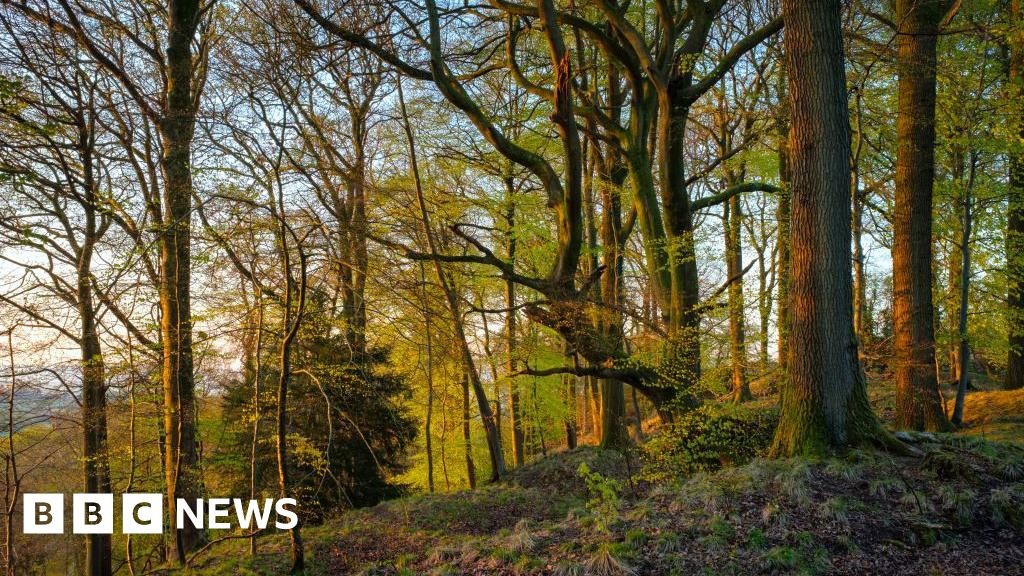
The newly designated zones cover 50,000 hectares —an area roughly 11 times the size of Gloucester. Rather than treating conservation sites in isolation, the trust is focusing on connecting distinct ecosystems, including parts of the Forest of Dean, the Cotswolds, and the Stroud area.
Key locations within the recovery zones include:
– The Windrush Valley in the Cotswolds
– The Central Forest in the Forest of Dean
– The Stroud Commons
Andrew McLaughlin, CEO of the trust, emphasized that this holistic approach is essential. “We’ve got the Cotswolds, we’ve got the Severn Vale, we’ve got the Forest… but what we need to do is start thinking about them together,” he explained. By creating wildlife corridors that extend beyond the boundaries of traditional reserves, the trust aims to make habitats more resilient to the impacts of climate change.
Reintroducing Native Species
A central component of Mission Wild is the reintroduction of native species, such as the Eurasian beaver. These animals act as “ecosystem engineers,” naturally shaping their environment to create wetlands that support biodiversity and mitigate flooding. This strategy aligns with Sir David’s mantra that conservation efforts must be both urgent and scaled appropriately to be effective.
“Sir David has been a huge inspiration for so many people and has brought the world’s attention to the plight of nature, urging us all to act,” said McLaughlin. “Mission Wild is about accepting that challenge and setting out to achieve a wilder Gloucestershire, with benefits for people, communities and nature.”
Context: Why This Matters Now
While Sir David’s 100th birthday was celebrated globally—with messages from the King and Queen, and even a new parasitic wasp named Attenbornculus tau in his honor—the local launch of Mission Wild addresses a pressing regional crisis.
In 2025, the Met Office identified Gloucestershire as the driest place in the West of England, noting it has experienced the lowest average rainfall in the region over the past 30 years. This trend highlights the vulnerability of local ecosystems to drought and changing weather patterns. By restoring habitats and connecting fragmented landscapes, Mission Wild seeks to build ecological resilience against these intensifying climate pressures.
Sir David first set the standard for the trust’s work when he opened its conservation centre at Robinswood Hill in 1992. Today, his legacy continues to drive a strategic shift from small-scale protection to large-scale landscape recovery.
Conclusion
Mission Wild represents a significant step toward ecological resilience in Gloucestershire, transforming Sir David Attenborough’s centenary into a catalyst for tangible environmental change. By connecting fragmented habitats and reintroducing key species, the trust aims to create a wildlife-rich landscape capable of withstanding the challenges of a changing climate.