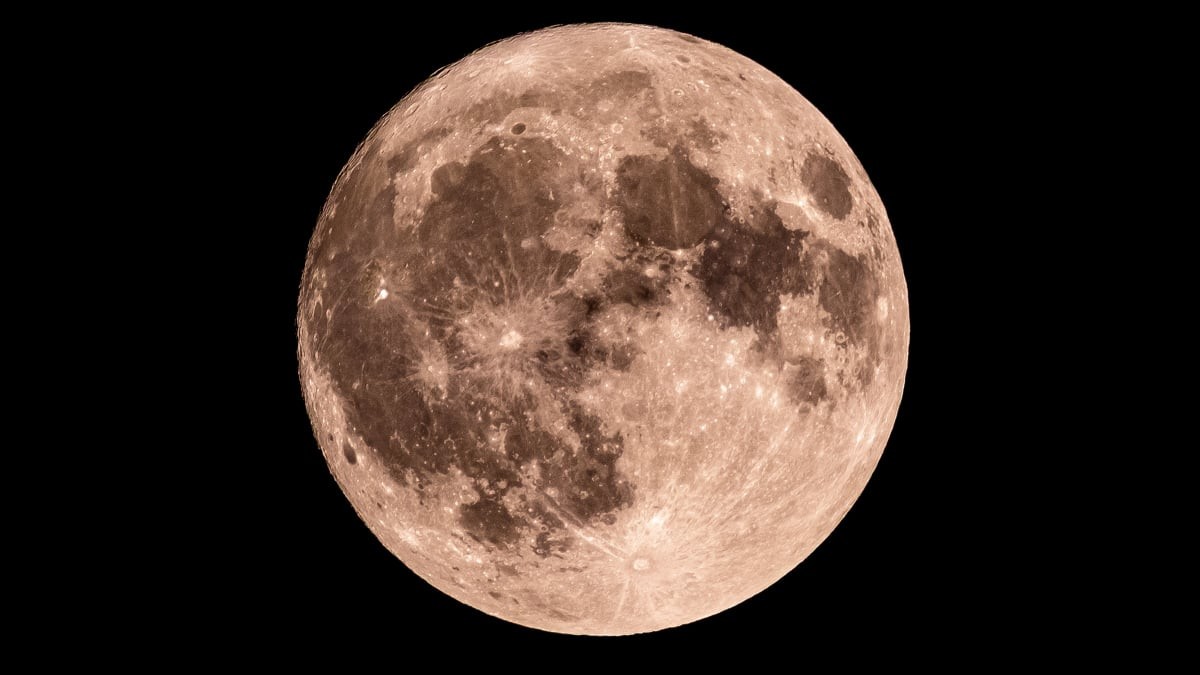
July 6 is approaching that Third Quarter mark. Half the face will light up soon, or rather, only half will stay lit. For now, it’s complicated.
The current phase
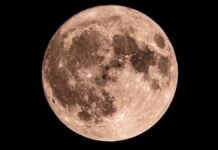
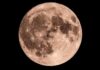
It’s a Waning Gibbous. NASA’s daily tracker puts visible surface area at 66%.
More than half. Plenty of light.
You don’t need expensive gear to get started. Just your eyes. Look for Kepler Crater, the dark patch called Mare Imbrium, or the vast Oceanus Procellarum. They’re right there.
Binoculars? Bring them.
You’ll catch the Gassendi Crater. Maybe the Alps Mountains and the Apennines on the lunar surface. It helps. If you’ve got a telescope, you can actually spot the Apollo 14 landing site and Rima Ariadaeus. That’s getting into the details.
Sharp eyes change the game.
What happens next?
Wait a few weeks. The next Full Moon lands on July 29.
How it all works
NASA says the orbit takes roughly 29.5 days. Eight phases in the loop. Same side of the moon faces Earth always, obviously. The light changes as it moves around us.
The shape shifts. Thin crescent to full glow. Repeat.
Here’s the breakdown.
- New Moon – Dark side facing us. It’s effectively invisible. Between us and the sun.
- Waxing Crescent – A sliver on the right (for the Northern Hemisphere).
- First Quarter – Right half lit. Looks like a semicircle.
- Waxing Gibbous – Getting fuller, not quite there yet.
- Full Moon – Whole face illuminated.
- Waning Gibbous – Right side starts darkening. We are here, essentially.
- Third Quarter – Left half lit. The last quarter.
- Waning Crescent – Fading sliver on the left before it goes dark again.
Does it really matter if you know the names? Maybe. Or maybe you just like looking up.