Sugar found near the galaxy’s center changes things. Not much. But something.
It’s erythrulose. You’ve heard of it, maybe, as a sweetener. Or maybe just because raspberries are full of it. Now astronomers found it in a gas cloud near the Milky Way’s heart.
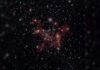
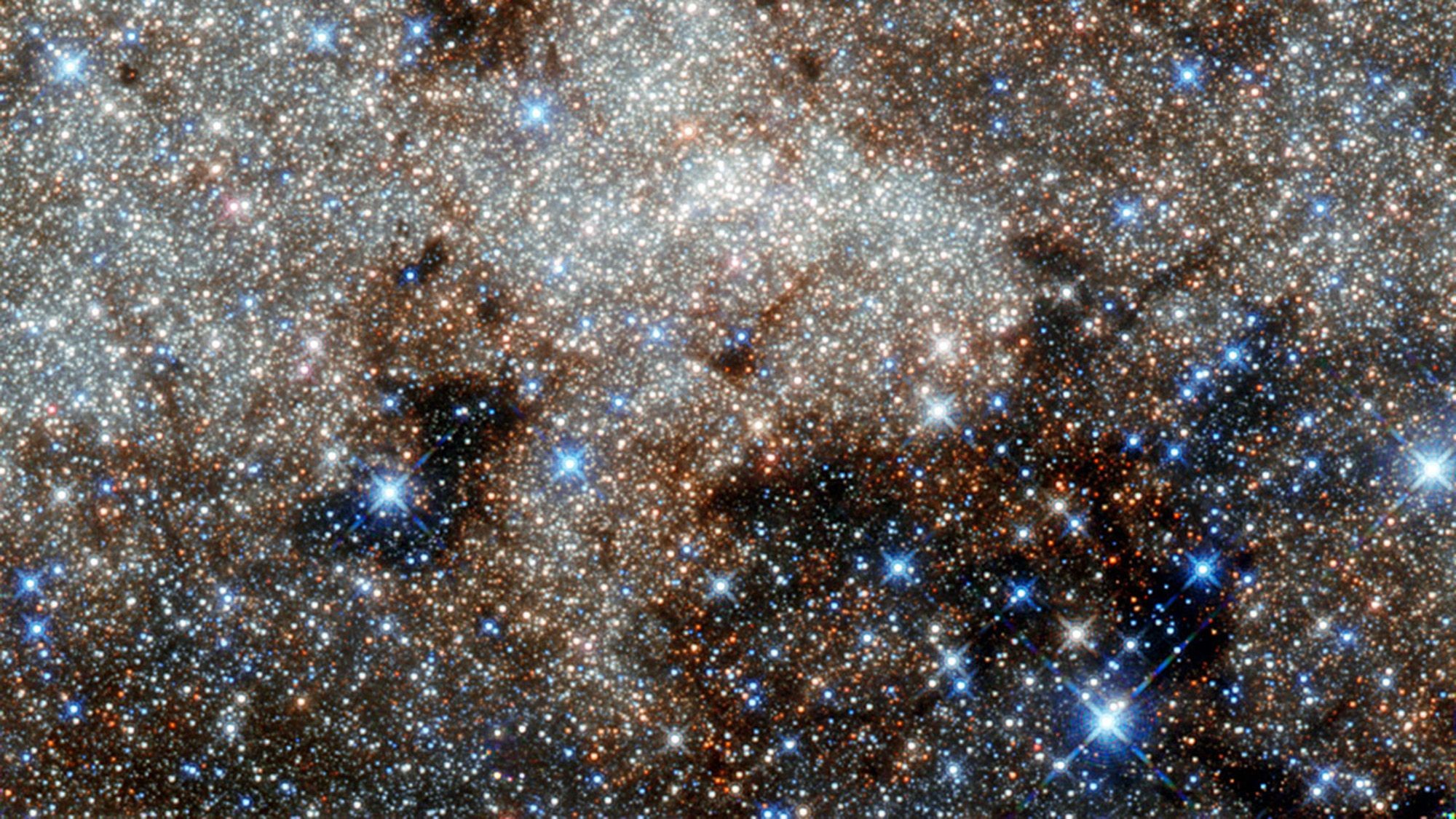
The cloud goes by the dry name G+0.693+0.027. That’s where it is. First time this specific sugar has been spotted outside our solar system. Before this, it was all lab theory or meteorite scraping. This is space sugar. Confirmed.
“Sugars are important molecules… helping to provide energy… and form parts of genetic material.”
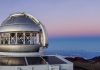
Two big radio telescopes in Spain caught it. Yebes and IRAM. They didn’t guess. They matched the signal against patterns measured right here in laboratories on Earth. It’s not a coincidence.
We usually obsess over water and carbon. Those are the heavy hitters for life searchers. But you need energy storage too. Structure. Sugars do that.
Izaskun Jiménez-Serra co-wrote the study in Nature Astronomy. She noted the detection worked because of sensitive equipment and lucky placement. The target cloud is chemically rich. Like a buffet for astrochemists.
Here is why it matters. Erythrulose is weirdly connected to threose. Another sugar. That one might have built the first nucleic acids. Which became RNA. Which became DNA. You see the line.
Prebiotic chemistry. It happens before cells exist. Just atoms dancing in the cold.
Sugar isn’t new in space news. Ribose shows up in asteroids. Glucose too. OSIRIS-REx brought samples back from Bennu and guess what? Both were there. Biology’s toolkit seems portable.
The old problem? Scientists couldn’t make erythrulose happen on early Earth. Lab simulations failed. Too little product. The conditions didn’t support enough concentration to jumpstart life.
Until now.
If erythrulose forms in dust grains before a planet exists, it doesn’t need the planet to make it. The space itself cooks it. Then the rock arrives. It brings the sugar with it.
So maybe Earth inherited its initial inventory from the cold vacuum.
What comes next?
The team wants to hunt bigger molecules. Direct precursors to RNA. They want to see how far chemistry gets before gravity even starts clumping things into worlds.
We keep finding pieces. Why are we surprised?
“We want to understand how far prelife chemistry can progress before planets are formed.”
The universe is cooking. We just started tasting it. 🌌
Is it life?
Not yet. But the ingredients are definitely on the counter.