For an astrophysicist with a doctorate in galactic collisions, the night sky is a familiar workplace. Comets, planetary alignments, and the northern lights are routine observations. Yet, for Dr. [Name Redacted/Implied Author], an Italian-born astronomer living in the UK, one celestial event remained elusive: the total solar eclipse.
Geography had played a cruel trick. While friends in the UK and France witnessed the 1999 eclipse, the path of totality missed Italy entirely. The next total eclipse visible from the UK is not scheduled until 2090. For 18 years, the author settled for partial eclipses, convincing themselves that 90% coverage was nearly as good as 100%. It was a mathematical approximation that failed to capture the visceral reality of the phenomenon.
The Chase for Darkness
The turning point came on August 21, 2017, during the “Great American Eclipse.” Traveling from London to Nashville, Tennessee, the author and their husband arrived prepared for a clear-sky spectacle. However, nature rarely adheres to schedules. As the moon began its slow dance across the sun’s face, rolling clouds threatened to obscure the event entirely.
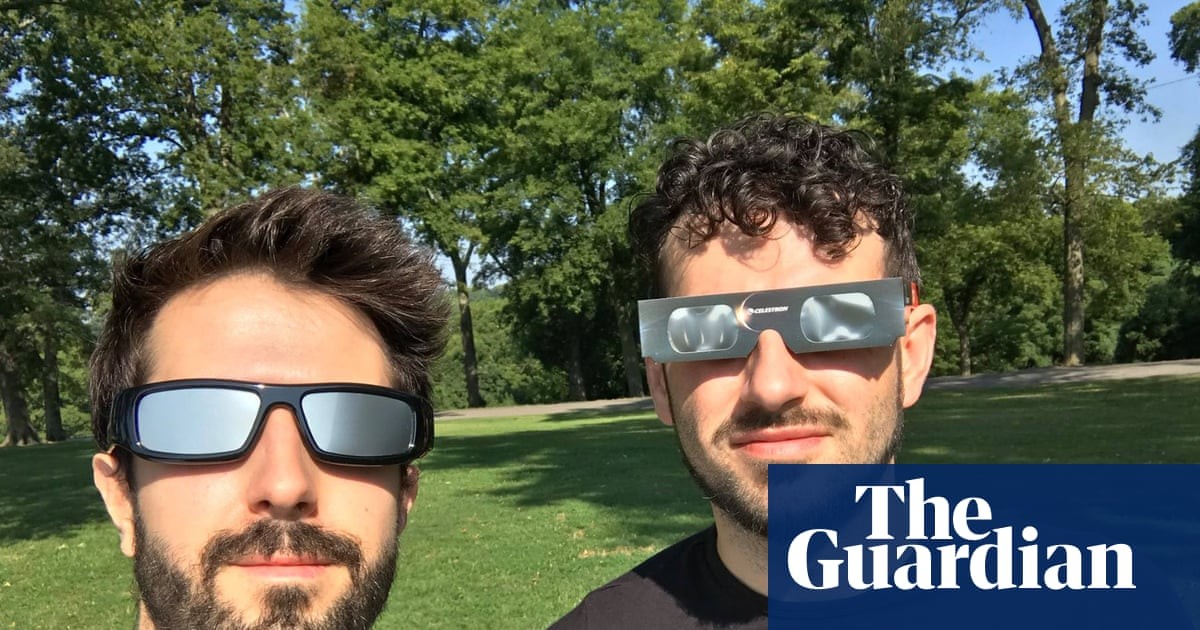
This triggered a desperate, high-speed chase. Recognizing that staying put meant missing history, they fled Shelby Park, skidding into a printing company’s parking lot on Davidson Street just as the sun broke through the cloud cover. With mere seconds to spare, they donned protective glasses and looked up.
The Power of Totality
The experience defied theoretical preparation. As totality hit, the world plunged into an eerie, twilight silence. Birds stopped singing, sensing a sudden night. For 50 seconds—before a cloud intervened—the sun’s corona, usually invisible, erupted into view.
“Everything went quiet as birds landed and hushed, believing night was imminent… I had expected to witness a rare astronomical event, but I gained a new appreciation for the incredible coincidences that make the eclipses possible.”
This moment highlighted a profound astronomical coincidence: Earth is the only planet where the moon appears roughly the same size as the sun in the sky. This precise alignment allows for total eclipses, a phenomenon absent on Mars or other worlds. It is this rare geometric luck that has historically led cultures to view eclipses as omens or divine signs. For the scientist, it was a reminder of the fragile, specific conditions that make our planet unique.
From Observer to Eclipse Hunter
The 2017 experience transformed the author from a passive observer into an active “eclipse hunter.” The difference between partial and total eclipses is not just visual; it is emotional and almost religious.
In April 2024, the author returned to the chase, this time in Mazatlán, Mexico. The conditions were different—the sun was at the peak of its solar cycle, creating a “wispier” corona—but the impact was identical. Tens of thousands of strangers fell into a profound, shared silence as the sun turned black. The social dynamic shifted instantly from chaotic excitement to collective awe.
The Future of the Chase
The fascination has only deepened. The author has already booked trips for the total eclipses in Spain on August 12, 2026, and August 2, 2027. The 2027 event is particularly significant: it will be the longest total eclipse of the century, lasting over six minutes due to a perfect alignment of Earth, moon, and sun.
While six minutes of darkness might seem long to a novice, for the eclipse hunter, it is an opportunity to study the corona in unprecedented detail. The pursuit is no longer just about seeing the event; it is about understanding the delicate cosmic ballet that makes it possible.
Total solar eclipses remain one of the few natural events that can simultaneously humble and unite humanity, reminding us of our small place in a vast, precisely tuned universe.