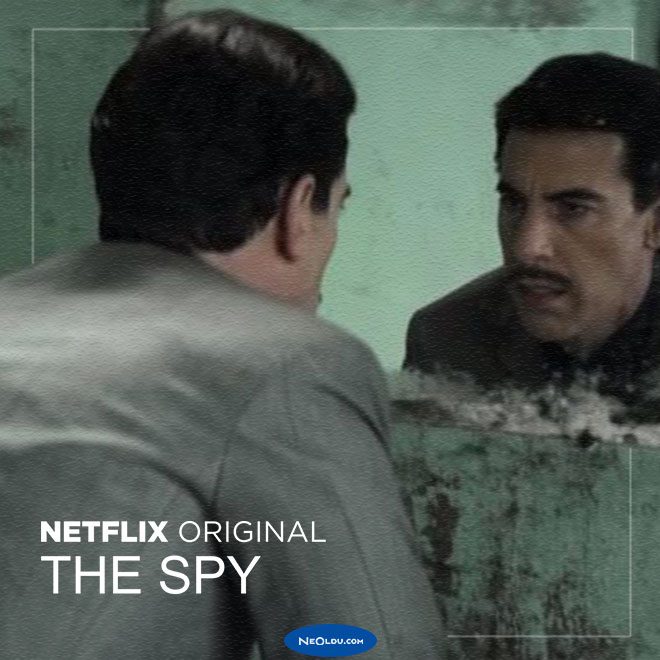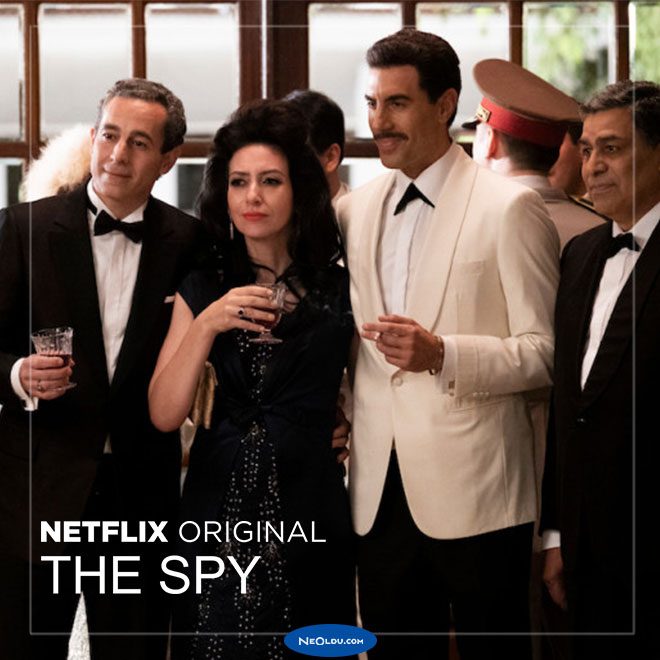
Netflix’te 6 Eylül’de karşımıza çıkan The Spy, kısa sürede platformun en çok izlenen yapımı haline geldi. Gerçek bir olaya dayanan bu mini dizi, sadece bir eğlence aracı değil; 1960’ların soğuk savaş atmosferini, İsrail istihbaratının (Mossad) karanlık dehlizlerini ve Orta Doğu’nun en tehlikeli oyunlarını masaya seren bir gerilim şaheseri.
Dizi, izleyicilerden tam not alırken, Mossad’ın Suriye’deki en meşhur ajanı Eli Cohen ‘in trajik ama çarpıcı hikayesine odaklanıyor. Peki, bu dizi neden bu kadar güçlü? Çünkü kurgu yok. Sadece ham, çıplak gerçeklik var.
Eli Cohen Kimdir?
Eli Cohen, Orta Doğu istihbarat tarihinde belki de en kritik figürlerden biri. Mısır’da doğan Yahudi kökenli bir casus olan Cohen, 1924 yılında İskenderiye’de dünyaya geldi. Gençlik yıllarında, Yahudi göçmenlerin İsrail’e yerleşmesine yardımcı olan gizli bir grubun parçası olarak siyasi sahalara adım attı. Bu erken dönem deneyimleri, onun yıllar sonra Mossad adına Suriye’de üst düzey bir istihbarat subayı olmasının temelini oluşturdu.
Mossad’ın Suriye’deki Gizli Oyunu
1960’ların başında, bölgede gerilim tavan yapmıştı. Mossad, Suriye’nin iç yapısını çökertmek ve askeri stratejilerini öğrenmek için Eli Cohen ‘i Halep’e yolladı. Cohen, sadece bir casus olarak değil, zengin bir Suriyeli girişimci kimliğiyle hayatına devam etti. Bu sahte kimlik, ona yetkililerin en yakın çevresine girmesini sağladı.
Dizi, bu dönemin tüm detaylarını, Mossad’ın operasyonel işleyişini ve Cohen’in yürüttüğü tehlikeli dansı ekrana taşıyor. İzleyiciler, bir ajanın nasıl bir “ikili kimlik” içinde yaşadığını, kimin dost kimin düşman olduğunu asla bilemeyeceği bir ortamda hayatta kalmaya çalıştığını yakından izleme fırsatı buluyor.
Neden İzlemelisiniz?
The Spy, sadece bir casusluk dizisi değil. İnsan psikolojisi, ihanet, vatanseverlik ve kimlik bunalımı üzerine derinlemesine bir inceleme sunuyor. Gerçeklikten beslenen kurgusu, izleyiciyi sıkı tutarken, tarihsel bağlamı da eksiksiz sunuyor.
Eğer “gerçek hikayeye dayanan casusluk dizileri” arıyorsanız veya Mossad’ın Suriye operasyonlarını merak ediyorsanız, bu dizi içinizde cevap bulabileceğiniz tek kaynak olabilir. Eli
How Eli Cohen’s Failed Spy Network Led to a Mossad Breakthrough
The road to becoming one of Israel’s most legendary spies wasn’t straight. For Eli Cohen, the path was paved with rejection, exposure, and a total reinvention. It started with a fiasco.
In the early days, Cohen tried to join an Israeli spy ring operating out of Cairo. It went poorly. By 1954, Egyptian authorities had already busted the network. Most people would have packed it in. Cohen didn’t. He stayed in the region, riding the geopolitical shifts. When the Suez Crisis hit in 1956, he moved back to Israel. He wanted in on the military intelligence scene. The answer was a flat no.
So, he did something unexpected. He took a job as a filing clerk at an insurance company. Boring. Unassuming. Invisible.
This was the perfect camouflage. While his name was on a payroll for mundane paperwork, he was quietly reshaping his identity. He wasn’t just waiting; he was studying. He needed a way back in. And in 1960, the door finally cracked open.
Mossad noticed him. They saw the persistence. They saw the cultural fluency. They offered him a job as an agent. The story of how he navigated that recruitment process is so wild that the recent TV series The Spy leans heavily into those exact, unbelievable details. He wasn’t just recruited; he was engineered for a role that required him to become someone else entirely.
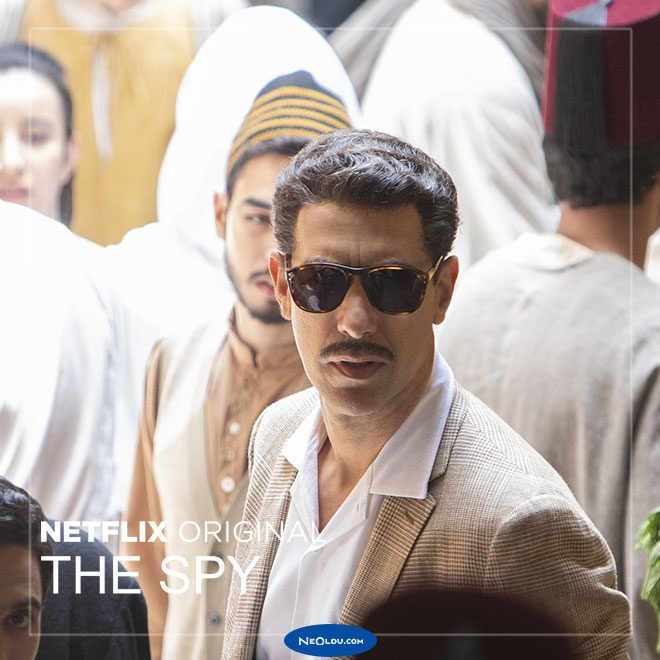
How Real Events Shaped ‘The Spy’ Series
Gideon Raff didn’t just write The Spy —he directed it too. The series is anchored in the 1970 non-fiction book L’espion Qui Venait D’Israel by Uri Dan and Yeshayahu Ben Porat. It’s not fiction. It’s built on actual events.
Sasha Baron Cohen plays Eli Cohen. He’s widely considered Israel’s most famous spy. Cohen disappears into the role. The performance feels lived-in rather than performed.
The story follows a man who goes deep undercover in Syria. He lives as a wealthy merchant. He gains trust. Then he gathers intelligence.
Why does this story matter now? Because the stakes were real. The tension was daily. And the outcome changed regional history.
“The details are terrifyingly accurate.”
Raff kept the narrative tight. No unnecessary dramatization. Just the facts, arranged for impact.
Cohen’s character operates alone. No backup. No extraction plan until the end. That isolation drives the series.
The source material provides the backbone. Raff adds the pacing. Cohen adds the soul.
It’s a story about identity. About how far you can stretch a lie before it breaks you.
The spy doesn’t come home. Not really. Not even if he physically returns.
Some shadows stay behind.
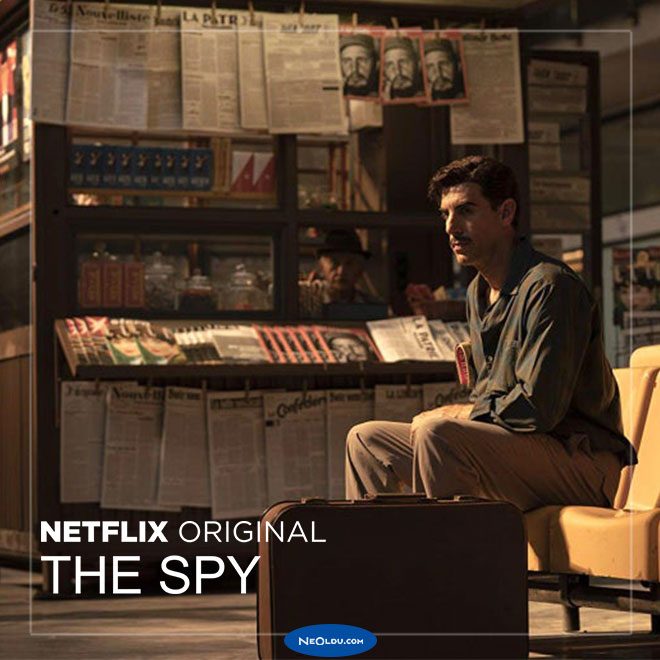
The Making of a Legend
By the early 1960s, the border tensions between Syria and Israel were not just simmering; they were boiling over. Israel needed eyes on the ground inside Damascus, but getting them there required more than just good luck. It required a man who could blend in, a man who could be trusted. That man was Eli Cohen.
His recruitment wasn’t random. Meir Amit, the then-head of Mossad, saw something in Cohen that others missed. But trust, in the intelligence world, is earned, not given. Cohen was put through the wringer. For two weeks, he was watched. Every move. Every call. Every interaction with his wife and family was documented in thick files. They didn’t just check his background; they dissected his life to ensure he was stable, patriotic, and utterly alone in his loyalty.
The result? A man with a happy marriage and a strong sense of national duty who, one day, came to work to find a letter on his desk. He walked to the address listed inside and walked straight into the arms of his future handlers.
From that moment on, Cohen became Israel’s most vital asset in the Middle East. The upcoming series The Spy captures this six-year transformation with chilling accuracy. We see him undergo grueling training, learning to shed his identity and become someone else entirely. It’s a testament to how a single, well-placed agent can shift the balance of power in a region on the brink of war.
The preparation was just as dangerous as the mission itself.
For fans of espionage thrillers, the question isn’t whether Cohen was effective—it’s how he managed to maintain his cover for so long in such a hostile environment. The series promises to answer that by diving deep into the psychological toll of living a double life. It’s not just about the politics; it’s about the man behind the mask. And in Cohen’s case, the mask eventually became his face.
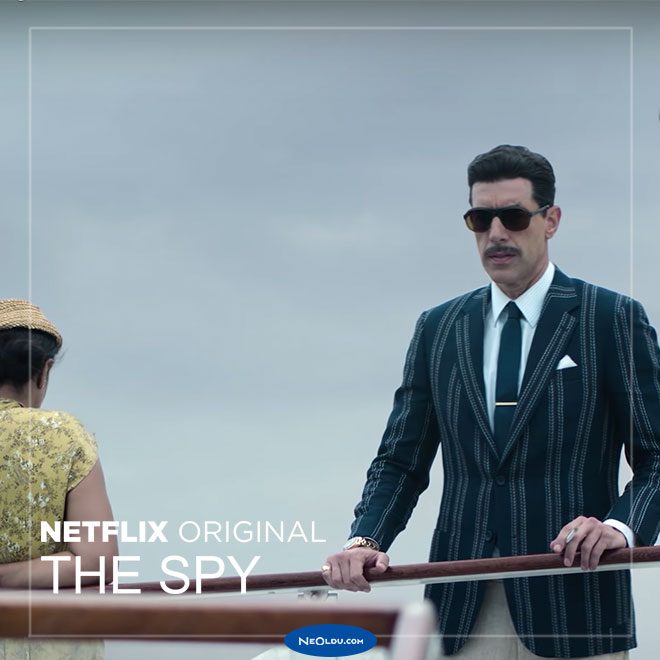
The Buenos Aires Pivot
Six months of intensive spycraft training wasn’t enough to just hand him a passport. Eli Cohen had to become someone else entirely. He adopted the persona of Kemal Amin Thabet, a wealthy Syrian businessman with deep pockets and even deeper connections.
But before he could step foot in Damascus, he had to lay the groundwork far away. His first stop? Buenos Aires, Argentina.
Why Argentina? It was the perfect staging ground. A massive hub for Syrian expats, it offered a plausible reason for a “missing” Syrian to suddenly reappear as a successful entrepreneur. Thabet didn’t just show up; he immersed himself. He cultivated an image of immense wealth and influence. He mingled with the diaspora. He became one of their own.
“He didn’t just pretend to be rich. He was rich, at least on paper, and he played the part perfectly.”
This wasn’t a tourist visit. It was a calculated social engineering operation. He needed letters of recommendation from key figures in Syrian politics who happened to be living in or connected to the Argentine community. These weren’t just casual acquaintances. They were power brokers.
The Return to Damascus
By 1962, the stage was set. Armed with forged credentials and solid references from influential Syrians, Thabet—still Eli under the surface—arrived in Damascus.
The transition was seamless. He didn’t struggle to integrate. He thrived.
Within weeks, he was moving in the highest circles. The Syrian military and political elite, desperate for trusted insiders with international business acumen, welcomed him with open arms. He wasn’t an outsider anymore. He was a patron. A friend. A confidant.
He built connections faster than most diplomats could in a decade. Economists. Politicians. High-ranking officers. They all wanted a piece of Kemal Amin Thabet. They trusted him because he was one of them—or so they believed.
And while they were sharing overtures, he was sharing nothing. Not a whisper. Not a hint. Every conversation was a data harvest. Every dinner party, a intelligence briefing. He collected critical information like others collect stamps.
The foundation was laid. The trust was earned. Now, the real work could begin.
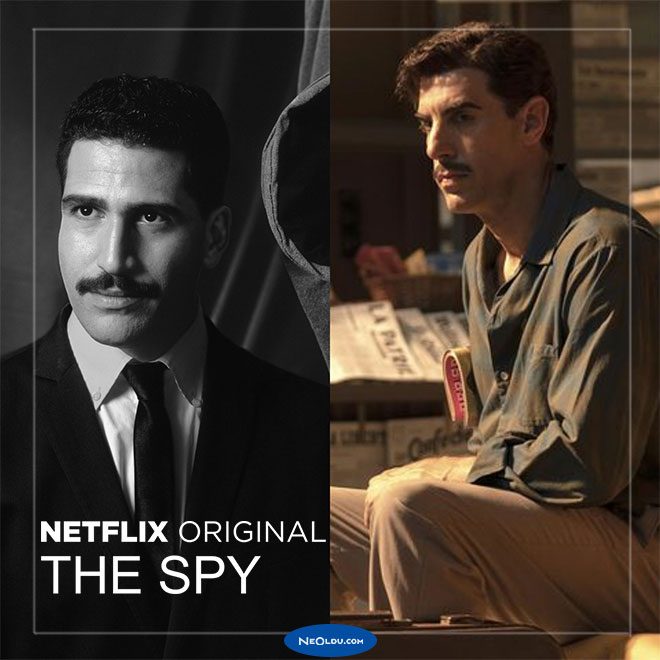
How Eli Cohen Became Syria’s Inner Circle Insider
The turning point for Eli Cohen wasn’t a clandestine drop in a alleyway. It was a handshake in Buenos Aires. Specifically, meeting Colonel Emin el-Hafiz, Syria’s unofficial ambassador to Argentina. That connection changed everything. Suddenly, accessing state secrets wasn’t just possible. It was effortless. Think of it as pulling a thread from butter.
Cohen didn’t just gather intel. He became indispensable. His integration into the Syrian elite was so complete that el-Hafiz, after executing a coup to become president, actually considered appointing Cohen as Minister of Defense.
Think about that level of trust.
A foreign operative. Sitting in the room where defense decisions were made. The irony is thick enough to cut with a knife. Cohen wasn’t just watching from the sidelines. He was inside the machine. The question isn’t whether he succeeded. It’s how much longer the illusion could hold before the cracks appeared.
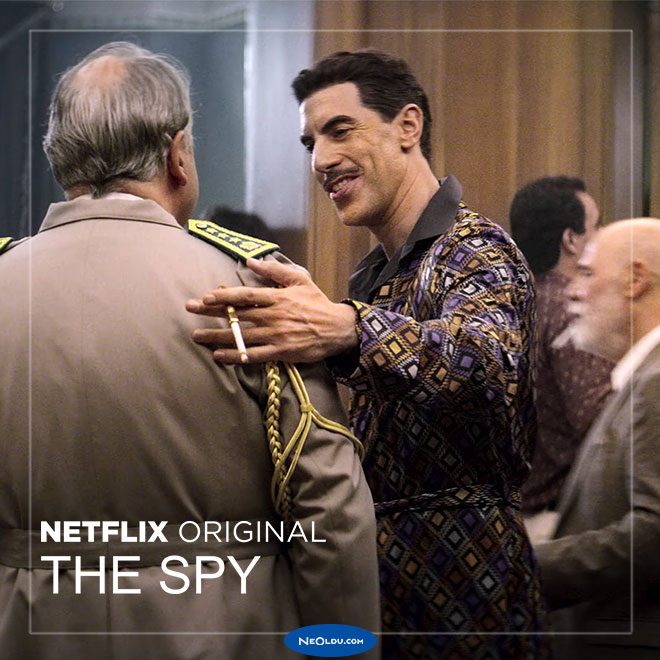
The Double Life of Eli Cohen: How Morse Code Changed the Middle East
Eli Cohen was not just a spy; he was a ghost with a degree in architecture and a talent for high-society networking. An Israeli agent of Syrian-Jewish descent, Cohen spent the years between 1961 and 1965 embedded deep within the Syrian elite. He didn’t just observe; he became one of them. He hosted parties. He made friends with the powerful. And through it all, he maintained a secret communication line to Israel using a hidden radio transmitter tucked inside his home.
The method was old-school but effective: Morse code.
For years, this setup worked flawlessly. Cohen fed back critical intelligence that would later shape the region’s military landscape. But secrecy is a fragile thing. The more successful he became, the more he drew attention. Syrian authorities began to suspect that a foreign agent was operating within their borders. They started scanning for illegal transmissions, hunting for the source of the leaks.
By January 1965, the trap was set. Cohen was caught in the act. While transmitting sensitive intelligence back to Israel from his residence, he was discovered red-handed. The elaborate facade of the charming, well-connected consul crumbled in an instant. What followed was not just an arrest, but the end of one of the most audacious espionage operations in modern history.
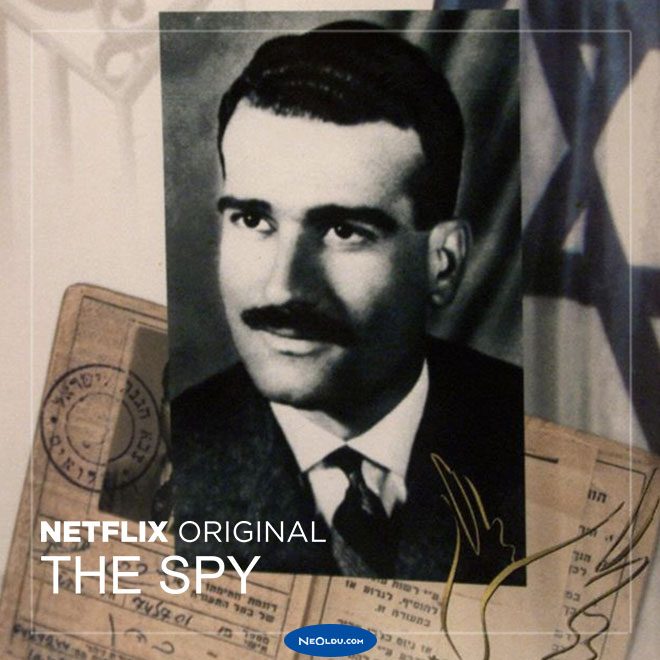
The Grim Fate of Eliyahu Hakim
It was Syria that caught Eliyahu Hakim red-handed. The interrogation didn’t end with a plea. What followed was torture of the worst kind. The verdict was swift. Death.
On May 18, 1965, the execution took place. Public. In Marjeh Square, Damascus. A hanging. The body’s current location is still classified. The mystery persists decades later.
Israel considers Hakim a national hero. Yet, they never recovered the remains. Rumor has it the location was changed at least three times. Why leave a hero’s grave in enemy territory? Maybe to protect it. Maybe to hide it. The truth stays buried.
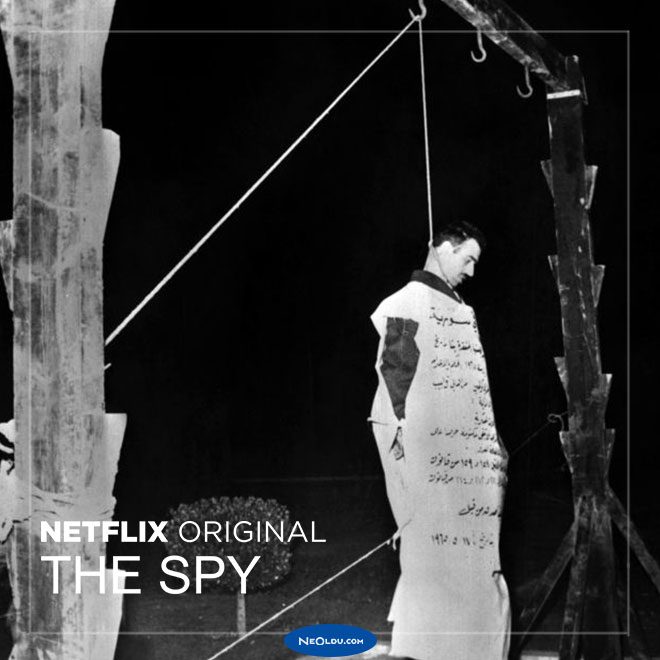
The Spy: Eli Cohen’un Gözaltından Ölüme Giden Yolculuğu
Netflix’in The Spy dizisi, Eli Cohen’in casusluk serüveninin başlangıcından idam edilmesine kadar geçen süreyi son derece etkileyici bir şekilde kurguluyor. Sadece bir biyografi değil, bu gerçek hikaye izleyiciyi derinden etkileyip tüyler ürpertiyor. Gerçek olaylara dayanan anlatım, merak uyandıran detaylarıyla ciddi anlamda büyülemeyi başarıyor.