We know a lot about how people behave. Less so about what they actually think.
Economists finally got tired of guessing. They launched a study to see what occupies the modern mind in real-time. The results? A lot of work. A desperate need for coffee. And a lingering wish to return to bed.
Researchers from Claremont Graduate University in California and Wuhan University in China tracked 258 volunteers for two weeks. They didn’t just ask questions once. They used an app that beeped eight times a day at random intervals. When it beeped, you wrote down your thought. You logged what you were doing. You rated your happiness.
The data was messy. Real. And revealing.
“So much of what it means to being human is about what’s going on in on our head.”
— Dr. Joshua Tasoff
After collecting over 23,000 responses, the team identified four distinct types of thinkers. These aren’t rigid boxes. People shift between them. But the clusters show clear patterns in how we process the world.
Here is what they found about your inner monologue.
The Dominant Themes of Modern Thought
Half of all recorded thoughts were intentional. The other half? Intrusive. Accidental. Mind-wandering.
Sensory input and mental impressions took up nearly 20% of mental real estate. This included feeling tired or sleepy. Work claimed 17%. Food sat at 14%.
Hobbies, games, art, and relationships each grabbed about 10%.
But look at what people wanted. Nearly half of those desires involved food or drink. Especially coffee. When people mentioned needs, 29% sought relaxation. Naps and sleep topped that list.
Was the mind ever blank? Rarely. Only a fraction of a percent of responses cited zero thoughts. Sex? Almost non-existent in the logs. The researchers suspect embarrassment. “There may be things people don’t want to share,” Tasoff noted. “TMI.”
Interestingly, what people thought predicted their happiness more than any other factor. Marcus Aurelius might have been onto something when he said life’s happiness depends on thought quality.
But caution applies. The volunteers were mostly WEIRD—Western, Educated, Industrialized, Rich, and Democratic. This sample doesn’t represent the globe. It represents a specific slice of modern life.
Which Thinking Archetype Fits You?
The data clustered into four groups based on vibe, not demographics. Income and age didn’t strictly define the groups. The content of the thoughts did.
The Worriers
This group ruminated on the big, scary stuff. They thought about world events, politics, and social issues 60% more than the average person.
Wars. The pandemic. Safety. Health.
Their internal vocabulary was heavy. Words like “Covid,” “lonely,” “pain,” and “hunger” appeared often. Yet, paradoxically, they thought about music twice as often as others. Perhaps art is a shield against the noise.
The Domestics
Practicality ruled here. These thinkers spent 50% more mental energy on chores, home maintenance, and finances. But it wasn’t just spreadsheets. They also processed stories—movies, books, TV shows.
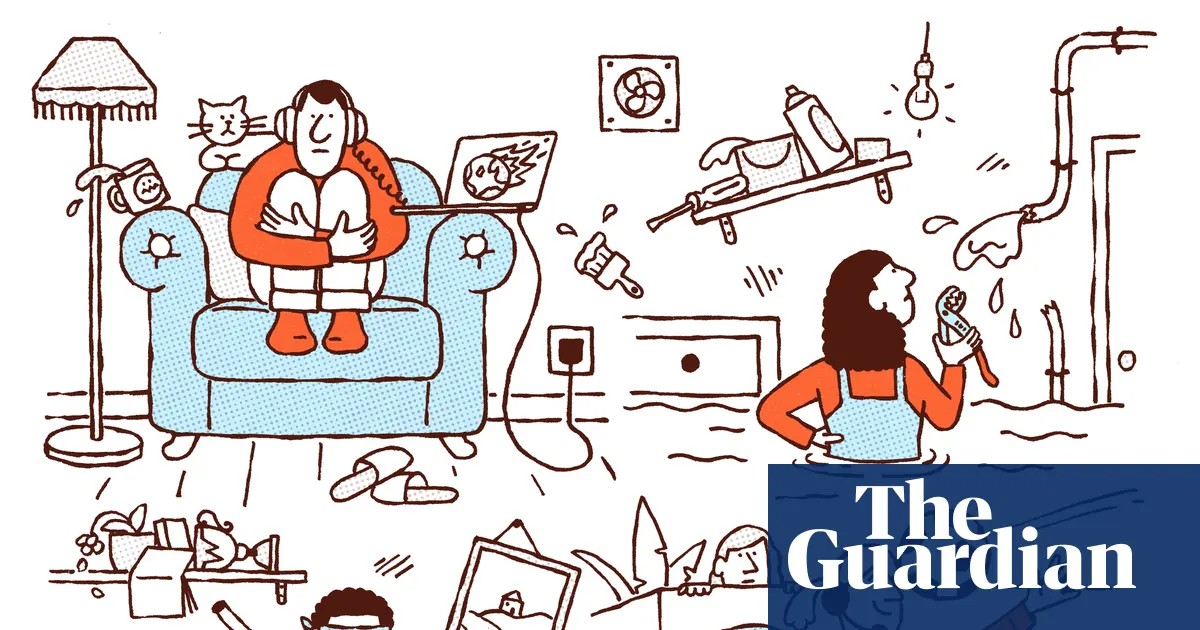
Their thoughts were variable. Active. Verbs like “solve,” “process,” and “debate” dominated their logs. They are the ones figuring out the plumbing and the plot simultaneously.
The Bodily Thinkers
Youngest of the bunch, averaging 32 years old, this group is heavily female (two-thirds of members). They live in their senses.
They reported the highest rate of intrusive thoughts at 28%. Their mental landscape featured physical feedback loops. Words like “therapist,” “ache,” and “overwhelm” were common.
Why more women here? The researchers suspect the menstrual cycle plays a role. So does the burden of physical or mental health symptoms during the study period. This group shows how health issues can pivot thinking inward.
The Work-Hard, Play-Hards
This group splits their mental load evenly. They think about their jobs 50% more than average but also dwell on hobbies and art 25% more.
They are the wealthiest group. They are the happiest group. They lean slightly male.
Their keywords tell the story of a balanced, high-performing life: “relaxation,” “presentation,” “flight,” “nail,” “project,” “gym.” They optimize both labor and leisure.
The Reality of Random Beeps
The study relied on interruption. A beep demands attention.
But a quarter of those beeps went unanswered. Why? Maybe you were driving. Maybe you were busy. Maybe you just didn’t care enough to stop.
The study suggests we are never truly empty-headed. Even when we try to rest, our minds drift to work, food, or bodily discomfort. The quality of that drift determines your joy.
So, which one are you?
Check your phone logs. Look at your search history. Notice what comes up when you wake up before your alarm.
It might not be pretty. It might not be profound. But it’s yours.
And it keeps changing.