


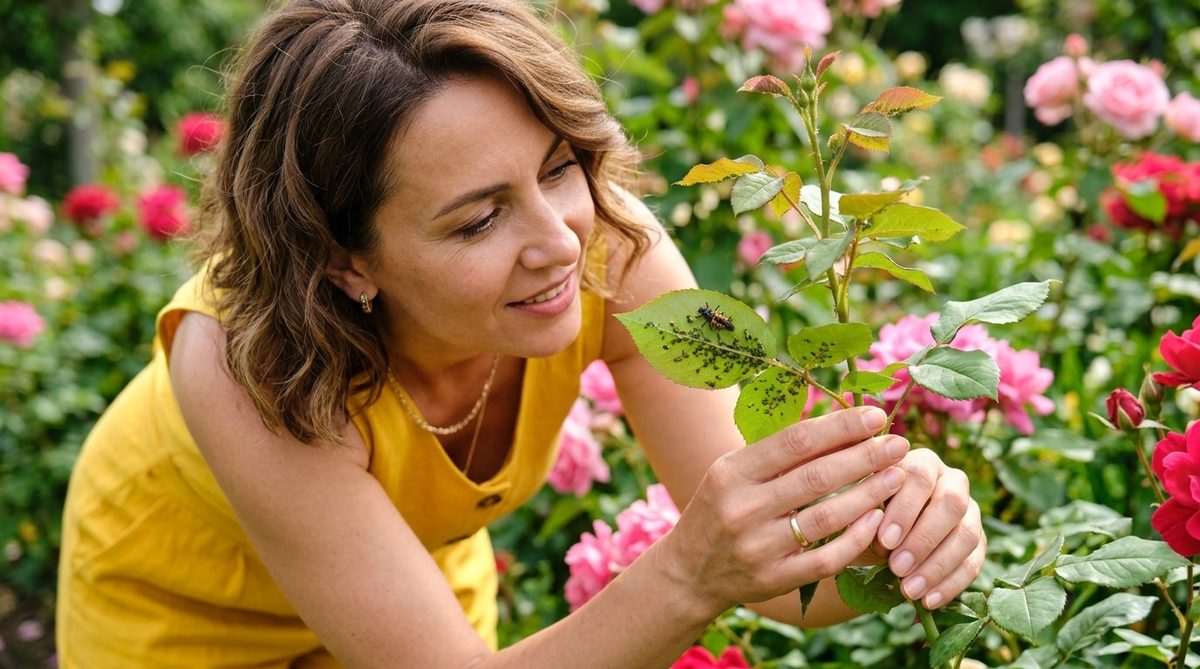
It’s mid-July. The sun shines in the garden and the rose bushes glow with bright colors. But beneath this heat, a silent threat grows. A huge number of hungry aphids swarm fragile shoots. If you look closely at the rose, you may see strange, flat, elongated larvae crawling confidently up the stems. The black skin is rough and full of bright orange spots.
What is your first instinct? Kill it.
It’s like a pest. Looks like a predator. Trying to save the plant, they destroy it. But you may have just destroyed your garden’s most effective biological defense system. This common mistake can damage local biodiversity and harm plants in the long run.
The scary caterpillar is actually a future ladybird
At first glance, this creature looks like a small crocodile in armor. Its bold colors send danger signals to our brain. We associate this black and orange pattern with toxicity and warnings. It’s easy to assume the worst.
But take a closer look. This is not a villain. This is the ladybug’s famous youth phase. We know the adult version. It is a red dome with black dots that attracts children. Before it takes on a recognizable form, however, it goes through a long and active period of growth as a larva.
Crushing these “ugly” insects removes powerful natural enemies. This ecosystem design phase maintains balance without human intervention. A scary look is just a mask. It scares off attackers. It hides a really scary appetite.
A warrior that eats 100 aphids a day
The true power of this ally is revealed when it passes through infected stems. Adult ladybugs fly from flower to flower. It is very stylish. Caterpillars cannot fly. Stay on the branch. I eat it all the time. Quality is needed to enable future change.
This is where the magic happens.
The ladybug larva can prey on up to 100 aphids per day.
This powerful fertilizer cleans rose beds more effectively than traditional chemical treatments. They have strong, small mandibles that allow them to hunt mercilessly. They dig through leaves to find their favorite prey. You can also combat other less obvious pests along the way.
Allowing this helper to thrive is the healthiest form of biological control. It’s free. It respects the soil. It is second to none.
Create a sanctuary for tireless guardians
To keep this silent army alive during the hot summer months, you’ll need to make some small adjustments. The goal is to create an optimally comfortable environment.
- **Shade and moisture. Extreme dryness is the enemy. These cleansers need a little freshness to move without drying out.
- Synthetic products are not included in the price. Chemicals attack pests and defenders. Avoid them altogether.
- **Wild space. ** Include a small wild area in your garden design.
Here’s how you can support these useful battalions:
- Place nettles and grass in hidden corners. They attract the first female to spawn.
- Maintain a thick layer of vegetative mulch (at least 5 centimeters) at the root of the rose. This maintains important moisture.
*Provide a small shelter with moss or dead leaves. It protects you on cool nights.
By learning to identify and care for these black and orange beasts, all landowners contribute to ecosystem restoration. Observation is often more effective than systematic destruction.
So, on next summer’s hikes, can you take the time to greet the titanic work of these individual guardians before moving on, or will you continue to look for another enemy?


