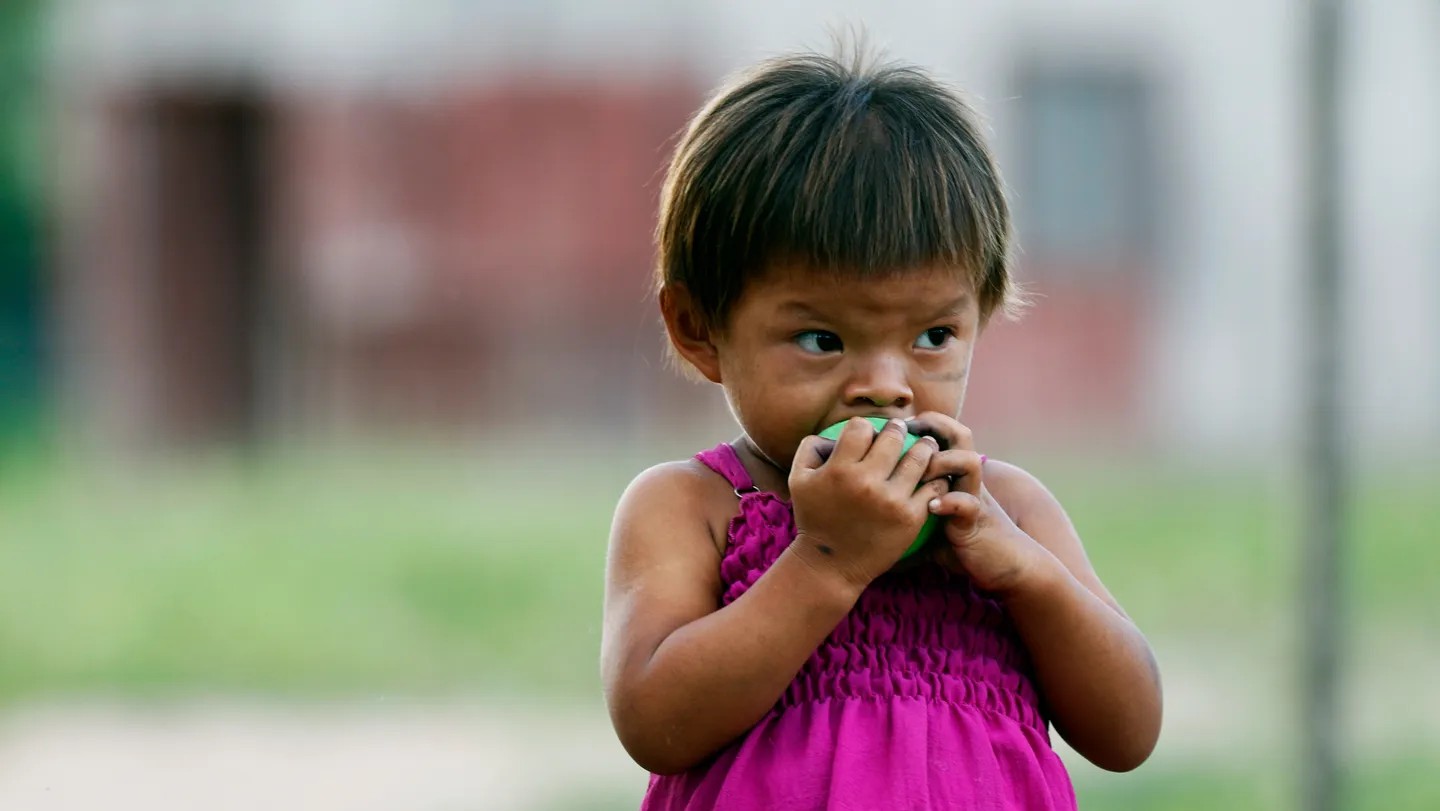
A recent large-scale study has uncovered a troubling link between rising temperatures and child malnutrition. Research published in The Lancet Planetary Health indicates that as local temperatures climb, the risk of nutritional deficiencies in young children increases significantly.
The Correlation Between Heat and Malnutrition
Analyzing data from approximately 6.5 million children in Brazil between 2007 and 2018, researchers identified a clear statistical trend: higher temperatures directly correlate with poorer health outcomes for children aged 1 to 5.
The study highlights specific risks associated with heat increases:
– Every 1°C rise in local temperature above 26°C (79°F) is linked to a 10% increase in the likelihood of a child being underweight.
– The same temperature increase correlates with an 8% rise in the odds of both acute and chronic malnutrition.
These findings are particularly concerning because malnutrition during early childhood can lead to permanent physical and cognitive developmental issues, or even death.
A Reversal of Progress
For decades, Brazil has implemented successful social programs aimed at reducing child malnutrition. However, climate change now threatens to undermine these hard-won gains.
Priscila Ribas, a researcher at the Oswaldo Cruz Foundation, notes that while the study focused on children already receiving federal aid—meaning they were already part of an underprivileged group—the impact was not uniform. The most vulnerable segments of this population suffered the most.
The Most At-Risk Groups
The study identified specific demographics that face much higher levels of food insecurity:
– Indigenous children: One in four Indigenous children experienced “stunting” (being unusually short for their age), a rate more than double that of other ethnic groups.
– Geographic regions: Children in Brazil’s North and Northeast regions, which are historically the country’s poorest, were disproportionately affected.
– Living environments: Those residing in rural areas and impoverished urban centers faced the highest risks.
Why Heat Drives Malnutrition
While the direct biological impact of heat on a child is a subject of ongoing study, researchers point to a critical indirect driver: the disruption of food systems.
Aline de Carvalho, a nutrition researcher at the University of São Paulo, explains that extreme weather patterns can devastate crop yields. When heatwaves or droughts affect local agriculture, the supply of fresh produce—such as fruits and vegetables—drops, causing prices to spike.
“Severe weather affects crops, which causes food prices to rise, and more vulnerable groups will be directly affected,” says De Carvalho.
Because staple foods like rice and beans are often transported over long distances, they may remain stable; however, the loss of affordable, nutrient-dense local produce leaves impoverished families unable to maintain a balanced diet.
Looking Ahead: Policy and Prevention
The connection between climate volatility and public health provides a roadmap for future intervention. Experts suggest that if policymakers can predict heatwaves, they can implement targeted strategies:
– Public Health Alerts: Launching awareness campaigns to protect vulnerable populations from heat exposure.
– Agricultural Resilience: Providing more support and credit to local producers to help them withstand extreme weather.
– Medical Preparedness: Strengthening responses to heat-related illnesses, such as dehydration and diarrhea, which often exacerbate malnutrition.
Researchers are now moving toward more granular studies to determine how extreme temperatures affect breastfeeding patterns and the frequency of hospital admissions for malnutrition-related complications.
Conclusion: As climate change drives temperatures upward, it creates a ripple effect that destabilizes food security and threatens the health of the world’s most vulnerable children. Addressing malnutrition now requires a dual focus on both social welfare and climate resilience.