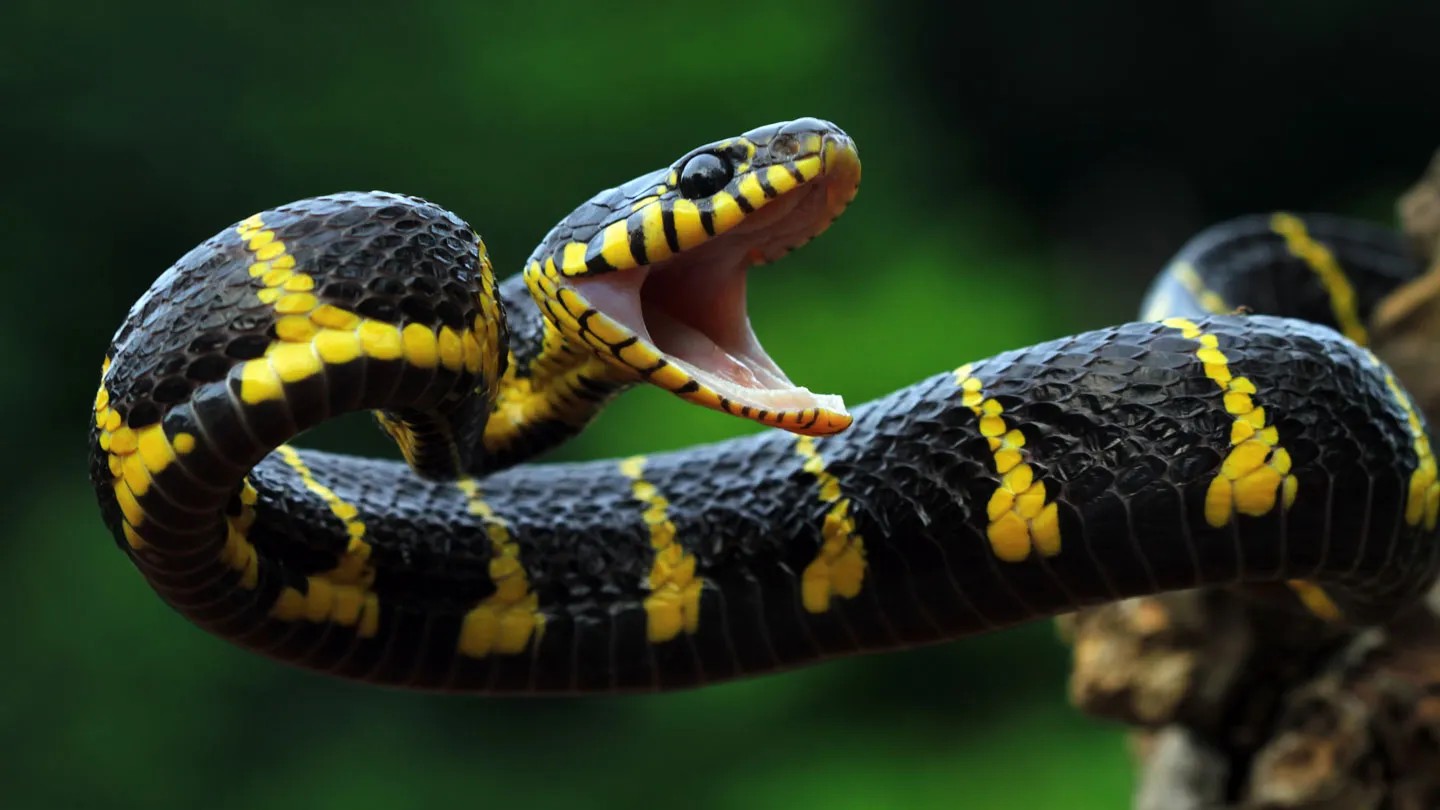
Snakes can survive for extended periods without food – weeks, even months. New research suggests this remarkable ability is linked to a surprising absence in their genetic makeup: they lack the gene for ghrelin, the hormone commonly known as the “hunger hormone.” This discovery raises fundamental questions about how reptiles regulate metabolism and appetite, and what implications this might have for understanding human metabolic disorders.
The Missing Hormone and Unexpected Patterns
Researchers Rui Pinto and colleagues analyzed the genomes of 112 reptile species, finding that 32 snake species entirely lack the ghrelin gene and the gene for the enzyme needed to activate it. This absence was unexpected, as ghrelin is present in other reptiles capable of long fasts. Even more puzzling, some regularly-feeding chameleons and lizards also lack these genes, while crocodiles – capable of surviving over a year without eating – still possess them.
This inconsistency suggests that ghrelin’s role may be far more complex than simply triggering hunger. Studies on mammals show that ghrelin levels actually rise after a meal, which challenges the idea that its primary function is to stimulate appetite.
Metabolism, Not Just Hunger?
Pinto proposes that the absence of ghrelin in snakes may be tied to their unique metabolic processes rather than their hunger. Ghrelin is linked to fat storage and insulin response, but snakes’ metabolism might be so distinct that they don’t require the hormone. Other experts caution against overstating ghrelin’s importance, emphasizing that it’s just one piece of a larger puzzle.
What’s Next?
Further research is needed to fully understand ghrelin’s roles in reptiles and other animals. Scientists are planning experiments to see what happens when the ghrelin gene is deleted in crocodiles or introduced into snakes. These studies could shed light on not only reptilian physiology but also human metabolic disorders like diabetes and obesity.
“I think there’s a lot more cool stories that we will see come out of this,” notes Todd Castoe, an evolutionary geneticist at the University of Texas at Arlington.
This discovery underscores how much remains unknown about the fundamental mechanisms governing appetite and metabolism. The survival strategies of snakes and other reptiles could hold valuable clues to unlocking these mysteries.