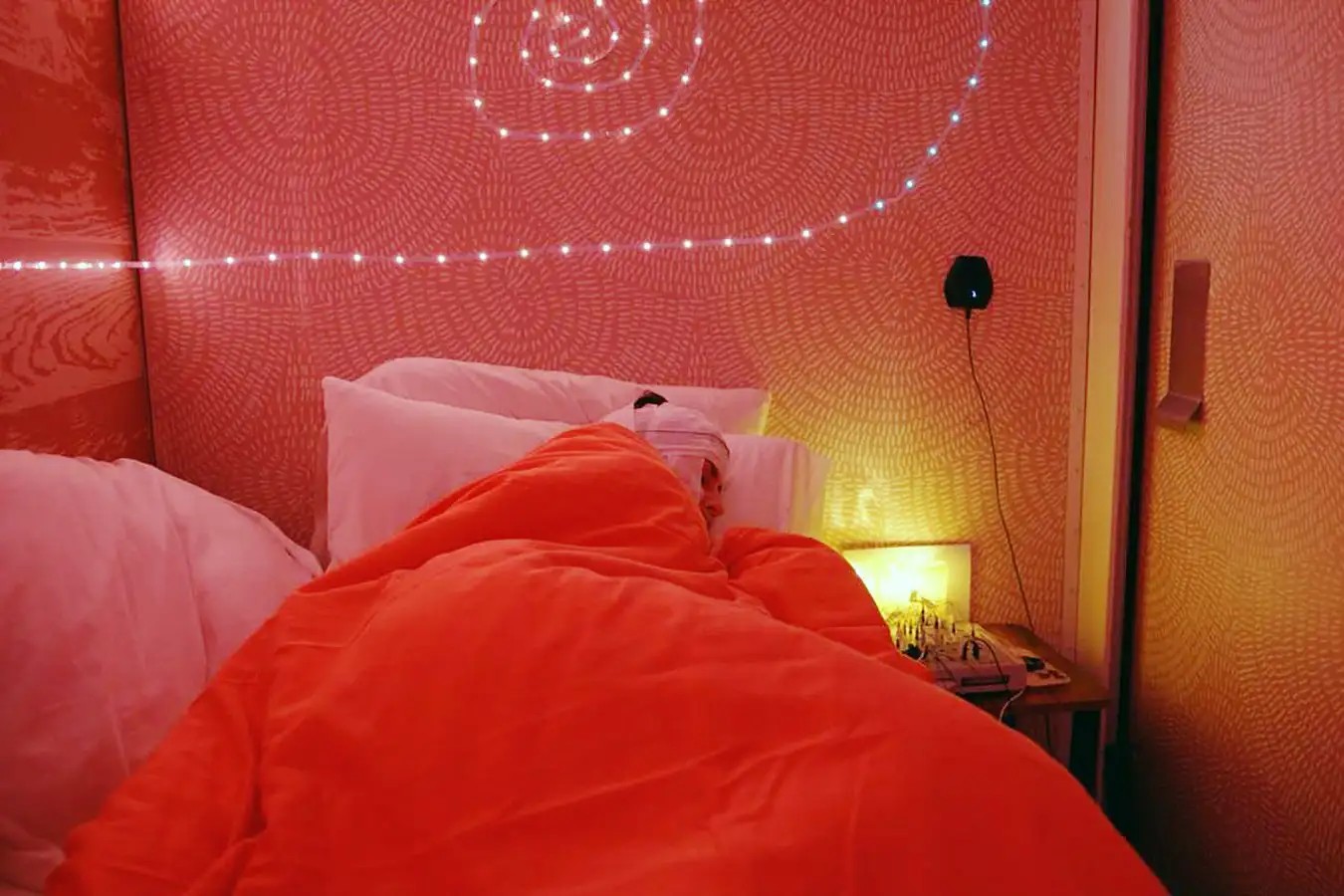
Scientists are demonstrating that it’s possible to influence the content of dreams to help with problem-solving, potentially unlocking a new method for boosting creativity, treating nightmares, and even breaking bad habits. The core idea – targeted memory reactivation – involves gently nudging the brain to work on specific tasks while asleep, leveraging the unique power of the dreaming mind.
The Science Behind Dream Engineering
Researchers have been experimenting with various stimuli, including sounds, touch, movement, and especially smells, to manipulate dream content. This isn’t about controlling dreams entirely; it’s about subtly guiding the brain to revisit unsolved problems during REM sleep, the stage where dreams are most vivid and abstract.
A recent study led by Karen Konkoly at Northwestern University tested this on 20 self-identified lucid dreamers. Participants attempted puzzles while awake, each paired with a unique soundtrack. Later, during sleep, the researchers played some of these soundtracks to see if it would trigger related dreams. The results were striking: roughly 40% of those who dreamed about the puzzles were able to solve them upon waking, compared to only 17% who didn’t recall dreaming about them.
Why Does This Work?
The key appears to be the brain’s natural replay mechanism during sleep. The hippocampus, a region vital for memory, seems to be tricked into re-activating memories associated with the puzzle when the same sound stimulus is heard during REM. This is known as targeted memory reactivation.
Konkoly explains that REM sleep is a particularly fertile ground for problem-solving: “REM dreams are hyper-associative and bizarre. They mix new and old memories together, and even mix memories with fantastical imagination.” This less inhibited mental state may allow the brain to explore solutions that would otherwise remain hidden.
The Future and Potential Concerns
While promising, dream engineering isn’t without questions. Researchers still don’t fully understand why sound stimuli sometimes work better than others. Konkoly is actively investigating why the same cues can yield different results in the same individual, with some showing clear responses and others not.
Beyond the science, some experts worry about unintended consequences. Tony Cunningham at Harvard warns about the potential for misuse: “Our senses are already assaulted from all directions by ads, emails and work stress during our waking hours, and sleep is currently one of the few breaks we get from that.” The prospect of companies hijacking this technology for targeted advertising is a real concern.
The potential for dream engineering is significant, but ethical considerations must be addressed to ensure that sleep remains a sanctuary from manipulation.
Ultimately, this research suggests that the sleeping brain isn’t idle; it’s capable of actively working through problems, given the right cues. As scientists refine these techniques, the line between sleep and wakefulness may blur further, offering new possibilities – and new challenges – for human cognition.