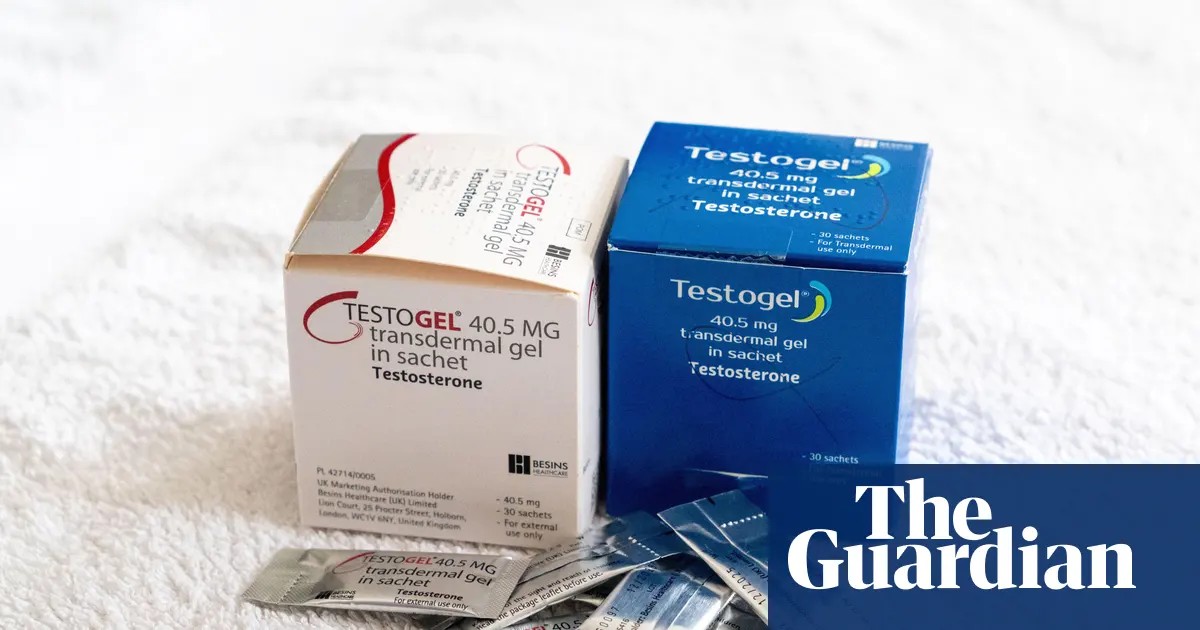
More women are now exploring testosterone supplementation, driven by online narratives suggesting that low testosterone is a common cause of middle-age symptoms like low libido. This trend, as explored in a recent podcast series, raises questions about the science behind testosterone therapy for women, its potential benefits, and the risks involved.
The Growing Appeal of Testosterone for Women
For decades, testosterone has been primarily associated with men. However, a growing number of women are now turning to supplementation, often after encountering advice from online influencers who promote the idea that low testosterone is an overlooked issue in female health. This shift challenges traditional medical perspectives and reflects a broader trend of self-diagnosis and hormone optimization driven by social media.
Scientific Perspectives
Science journalist Linda Geddes shares her personal experience taking testosterone for low libido, highlighting the potential benefits. Meanwhile, Prof. Susan Davis, a leading endocrinologist at Monash University, provides a more cautious assessment. She emphasizes that the evidence supporting testosterone therapy in women is still limited, and the long-term risks are not fully understood.
Key Concerns and Risks
While some women report positive effects, such as increased energy and improved libido, testosterone supplementation also carries potential side effects. These include acne, hair loss, and deepening of the voice. The lack of comprehensive research on long-term effects in women remains a significant concern.
Why This Matters
The rise of women seeking testosterone therapy signals a broader dissatisfaction with conventional medical approaches to female health. It also underscores the power of online communities in shaping health trends, often ahead of rigorous scientific validation. As more women experiment with testosterone, the need for robust research and clear medical guidelines becomes increasingly urgent.
The trend of women seeking testosterone therapy highlights the gaps in our understanding of female hormonal health and the influence of unregulated online advice. Further investigation is crucial to ensure informed decision-making and patient safety.