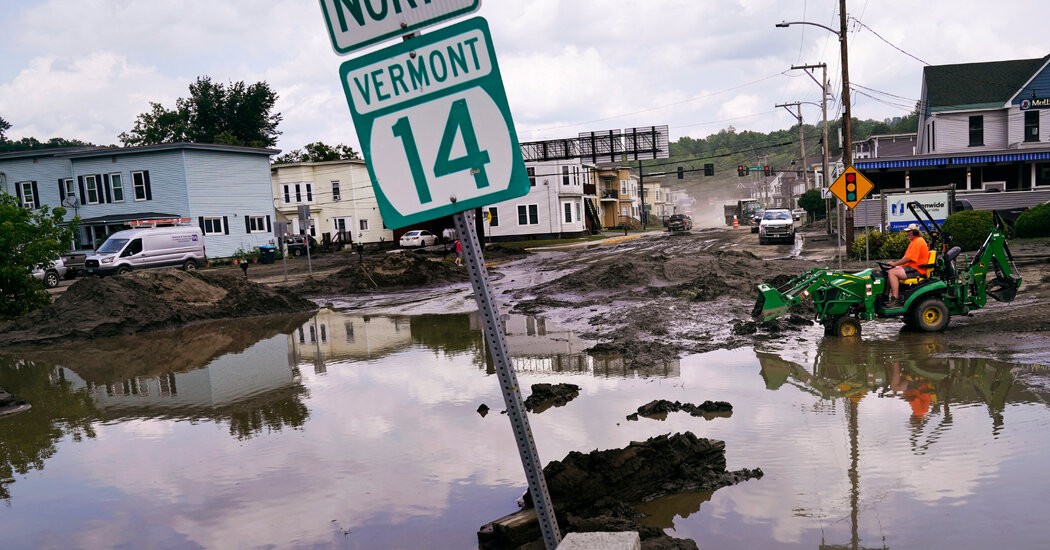
State legislatures nationwide are increasingly considering bills that would hold fossil fuel companies financially responsible for climate change-related damages, mirroring the federal “Superfund” program designed to force polluters to clean up toxic waste sites. While only New York and Vermont have passed such laws so far, they face aggressive legal challenges, including lawsuits from the Justice Department, industry groups, and other states. Despite this opposition, momentum is building: Maine recently advanced a similar bill, and new proposals have been introduced in Illinois, New Jersey, and Connecticut, with others pending in multiple states.
The “Polluter Pays” Principle
These climate “Superfund” bills operate on the premise that companies historically responsible for greenhouse gas emissions should contribute to funding climate resilience projects. This is a direct adaptation of the Comprehensive Environmental Response, Compensation, and Liability Act (CERCLA), better known as Superfund, which forces companies to pay for cleaning up hazardous waste sites they contaminated. Proponents argue this is the fairest way to finance critical infrastructure upgrades needed to protect communities from worsening climate impacts.
Rising Costs and Political Pressure
The urgency behind these bills stems from escalating costs associated with climate change adaptation. As Senator John McKeon of New Jersey points out, “It’s not a question as to the billions and billions of dollars that have to be spent… It’s a matter of who’s going to pay for it.” His bill, now dubbed the “Polluters Pay to Make New Jersey Affordable Act,” reflects growing pressure to address both climate threats and the economic burden on taxpayers.
The push for these laws is not without resistance. Business groups are already mobilizing against them, but supporters contend the measures could ultimately benefit local economies by directing funds toward resilience projects. The legal battles are likely to be protracted, but the underlying financial and political pressures suggest this trend will continue.
These laws signal a broader shift in how climate liabilities are viewed: no longer an abstract environmental issue, but a tangible financial burden that some lawmakers believe should fall on the industries most responsible. Whether these bills will survive legal challenges remains to be seen, but their spread indicates growing momentum behind the idea that those who profited from fossil fuels must now help pay for the consequences.