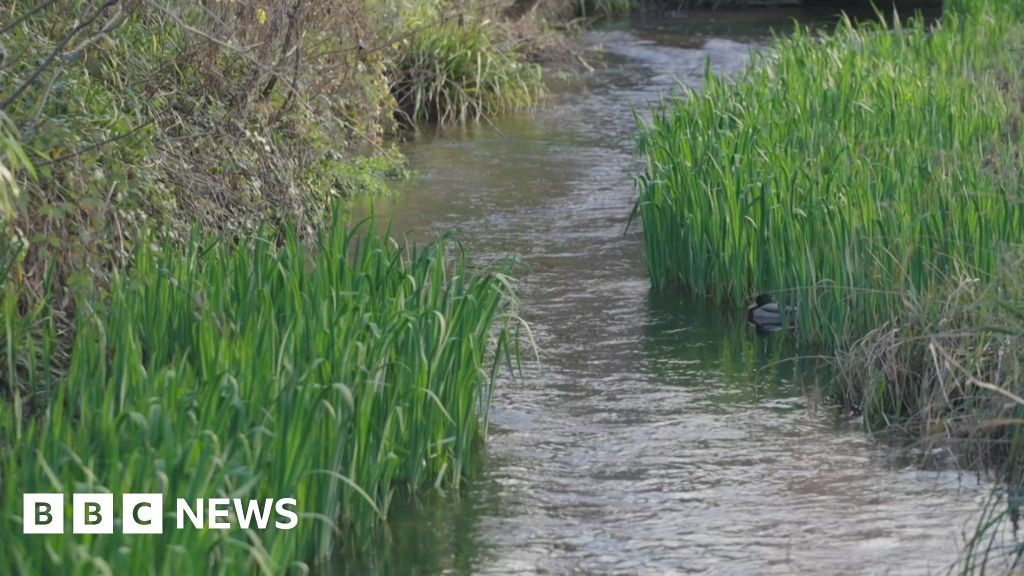
Chalk streams – exceptionally clear, biologically diverse freshwater habitats – are under increasing pressure despite being globally rare. Over 85% of the world’s remaining 220 chalk streams are found in England, yet they lack sufficient legal protection. Conservation groups are now campaigning for inclusion in the National Planning Policy Framework (NPPF) to ensure better stewardship of these fragile ecosystems.
What Are Chalk Streams and Why Do They Matter?
Chalk streams originate from underground springs flowing through porous chalk bedrock. This natural filtration process creates remarkably clear water, supporting unique plant and animal life. Species like kingfishers and grey wagtails thrive in these environments, making them vital for biodiversity and public enjoyment.
The urgency stems from the fact that chalk streams are being degraded by pollution, over-abstraction, and agricultural runoff. Without stronger protections, these ecosystems will continue to decline.
The Current Debate: Policy and Investment
The London Wildlife Trust argues that chalk streams should be treated as irreplaceable habitats under the NPPF, similar to other protected areas. This would enforce stricter planning regulations and prevent further damage.
The Department for Environment, Food and Rural Affairs (Defra) insists that reforms are already underway, including £2 billion in water company investment over five years to restore chalk streams and modernize abstraction licensing. Thames Water claims its five-year plan will include the “most significant upgrade to the wastewater network in 150 years”, aiming to cut storm discharges and reduce nutrient pollution.
However, conservationists argue that voluntary investment alone is not enough. Legal recognition under the NPPF would provide the enforceable framework needed to safeguard these streams long-term.
A Local Example: The River Wandle
The River Wandle, emerging from Carshalton Ponds in south-east London, exemplifies a chalk stream under pressure. Despite its ecological value and recreational appeal, it remains vulnerable to pollution and unsustainable water extraction.
The ongoing consultation period for the NPPF is the critical window for advocates to push for inclusion.
The future of these unique ecosystems depends on proactive, legally backed conservation efforts. Without stronger regulations, England risks losing a globally significant natural resource.