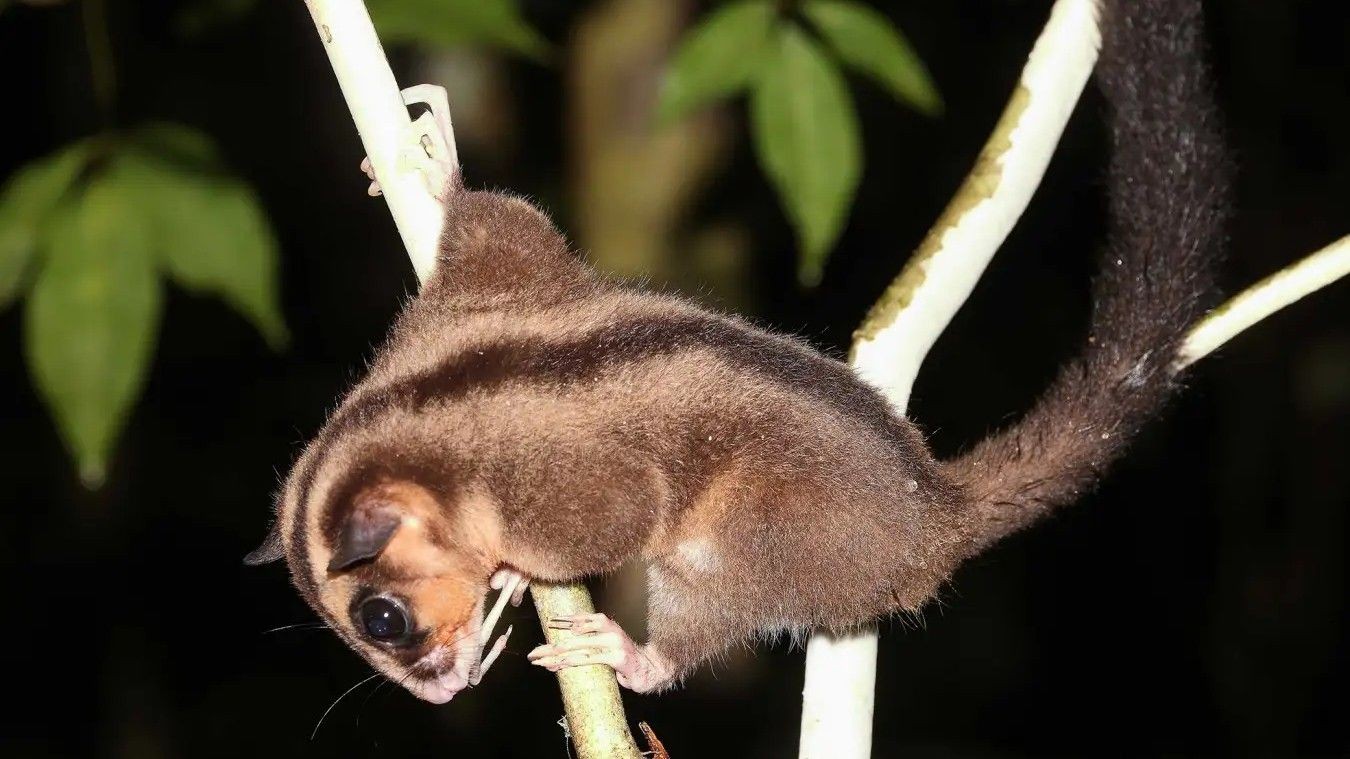
Two species of marsupials, presumed extinct for at least 6,000 years, have been confirmed living in the remote rainforests of the Vogelkop Peninsula in Indonesian Papua. The rediscovery of the ring-tailed glider (Tous ayamaruensis ) and the pygmy long-fingered possum (Dactylonax kambuayai ) highlights how much biodiversity remains hidden, even in a well-studied world.
Decades-Long Confirmation
The initial hints of these animals surfaced in 1999, but solid photographic evidence took 27 years to gather. The delay underscores the difficulty of documenting elusive species in dense, inaccessible habitats. The Vogelkop Peninsula, an ancient fragment of the Australian continent now part of New Guinea, is a region known for harboring unique and often overlooked wildlife.
Lazarus Species: A Biological Mystery
These marsupials are classified as “Lazarus taxa” – species that disappear from the fossil record only to reappear alive centuries or millennia later. The pygmy long-fingered possum, with its unusually elongated finger, and the ring-tailed glider, a smaller relative of Australia’s gliders, were previously known only from ancient fossils. Their survival defies expectations, raising questions about how such species can persist undetected for so long.
Indigenous Knowledge and Conservation
The rediscovery wouldn’t have been possible without the collaboration with local Indigenous communities. Elders from the Tambrauw and Maybrat clans shared critical knowledge that helped researchers locate the animals. Some communities view the ring-tailed glider as sacred, which may explain why it remained hidden for so long. This underlines the vital role of Indigenous knowledge in conservation efforts.
Threats and Future Research
Both species face threats from logging. The ring-tailed glider, which forms lifelong pair bonds and nests in tree hollows, is particularly vulnerable to habitat loss. The pygmy long-fingered possum’s specialized ears suggest an adaptation to finding food within rotting wood, making it equally susceptible to forest destruction.
Precise locations remain undisclosed to prevent poaching, but the findings emphasize the importance of protecting unique bioregions and prioritizing collaborative research. Further studies are crucial to determine the full extent of their range and ecological needs.
The rediscovery of these species is not just a scientific triumph, but a stark reminder of how much remains unknown about the natural world. It reinforces the need for continued exploration and conservation in biodiversity hotspots like New Guinea.