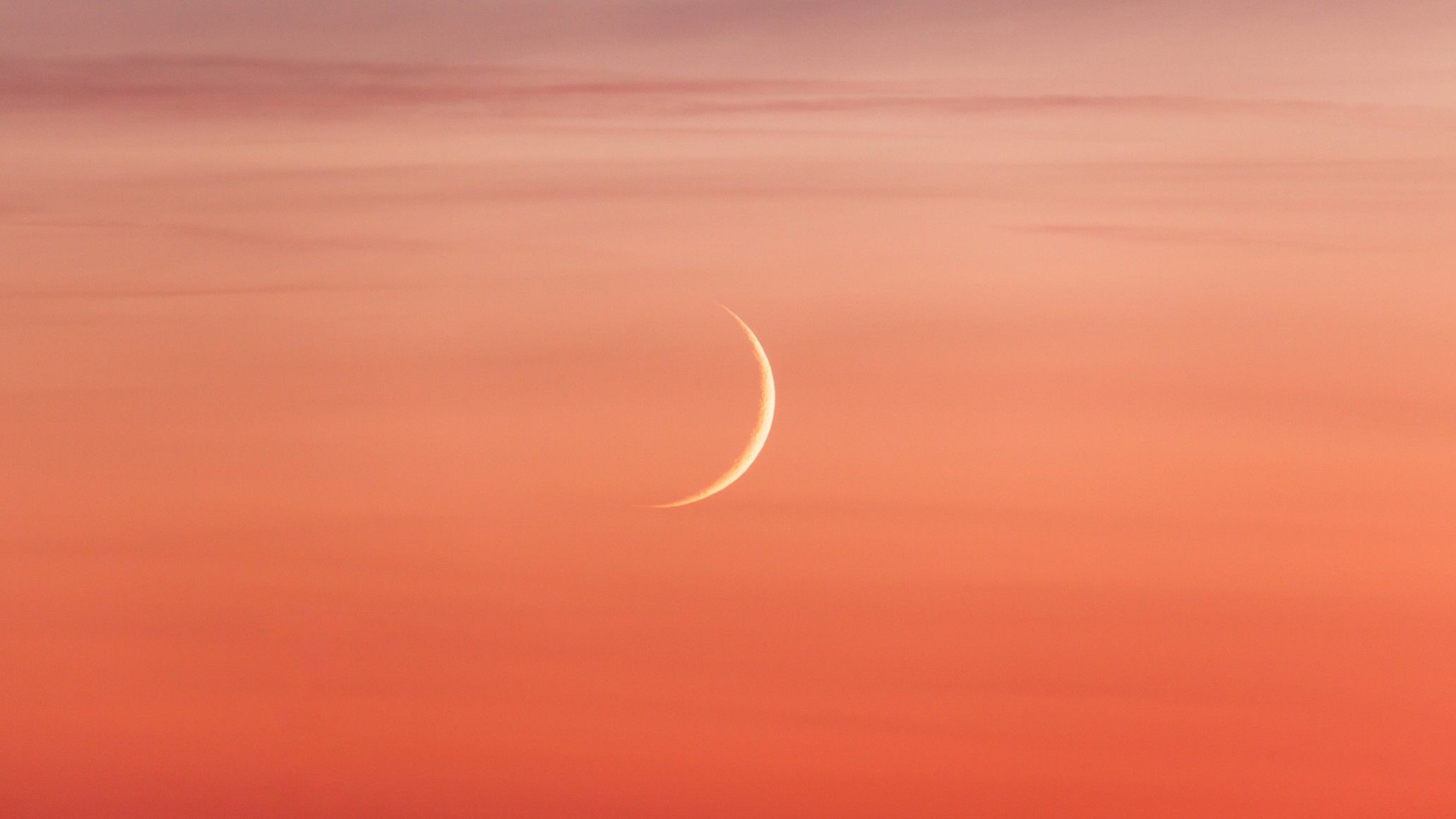
For many cultures, the first sighting of the waxing crescent moon marks the beginning of a new month. This March, an exceptionally young moon will appear alongside Venus in the western sky, offering a remarkable opportunity for observers. The event on March 19th is particularly notable because of the moon’s extreme thinness—less than 24 hours after its new phase.
Why This Matters: Lunar Calendars and Observation
The visibility of the moon has historically been crucial for calendar systems, particularly in Judaism, Islam, and other lunar-based traditions. Accurate tracking of lunar phases was the foundation of early timekeeping. However, the synodic month (the time between new moons) varies, making precise determination of a new month’s start challenging. This is why the first sighting of the crescent is important.
Venus as a Guide
Venus, currently shining brightly as the “Evening Star,” will serve as a key reference point for locating the incredibly faint crescent moon. Venus sets roughly 90 minutes after the sun, making it visible in the twilight sky. On March 19th, the moon will appear approximately 7 degrees below and to the right of Venus when viewed from most northern latitudes.
The key to spotting the moon lies in timing: observers should look westward between half an hour and one hour after sunset. The moon will be best visible when only 2-5 degrees above the horizon. Using binoculars may help, but the goal is to train the eye to see it unaided.
Why This Week Is Unique
The circumstances for observing such a young moon are rare. The timing of the new moon (Wednesday, March 18th, at 9:23 PM EDT / 6:23 PM PDT) and the season (near the March equinox) create ideal conditions. The equinox causes the ecliptic (the apparent path of the sun and moon) to cross the western horizon steeply, allowing the moon to appear high enough to be visible shortly after new phase. The moon is also near perigee (its closest approach to Earth) which speeds up its movement away from the sun, enhancing visibility.
Just How Thin?
On March 19th, the illuminated portion of the moon will be minimal—approximately 1-1.4% wide, depending on location. In Atlantic Canada, the moon will be only 20.6 hours past new, with a crescent width of about 1%. Along the Pacific coast, it will be slightly older at just over 24 hours, but still incredibly thin at 1.4%. The crescent may appear broken, with bright points where mountains reflect sunlight.
This observation is challenging but rewarding. If conditions are clear, attempting to spot this delicate crescent offers a unique experience, as the moon appears almost fragile enough to shatter. By Friday, March 20th, the moon will be more easily visible, with 5% illumination and positioned directly above Venus.
The alignment of Venus and the young moon highlights the enduring importance of celestial events in both cultural traditions and astronomical observation.