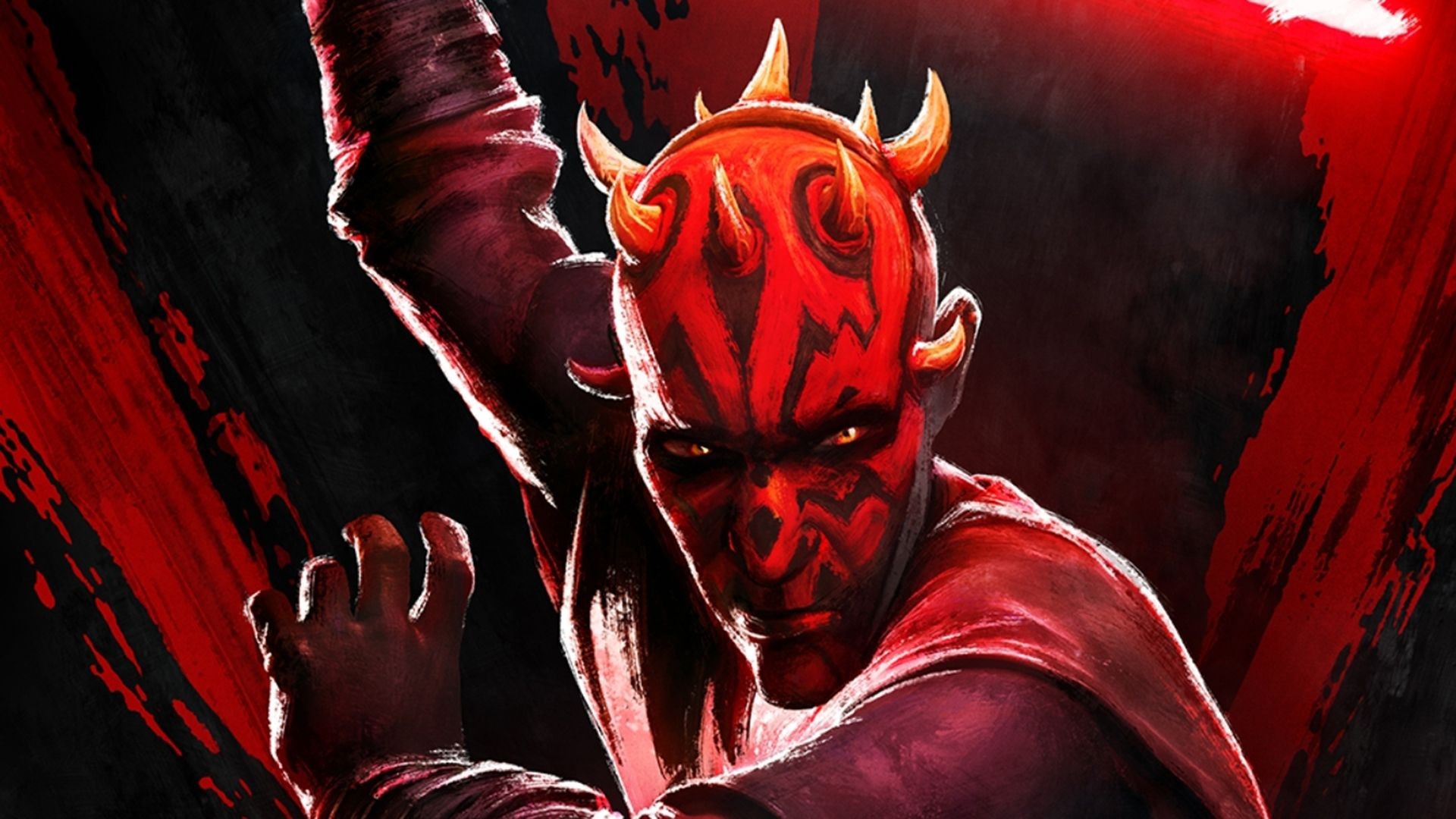
The era of “kid-friendly” Star Wars animation appears to be shifting. Following the conclusion of The Bad Batch in 2024, fans expected more lighthearted spinoffs; instead, Disney and Lucasfilm pivoted toward something much more visceral. The arrival of Star Wars: Maul – Shadow Lord marks a significant tonal departure for the franchise, offering a gritty, character-driven narrative that feels closer to the prestige drama of Andor than the episodic adventures of The Clone Wars.
The Evolution of a Fallen Sith
To understand the weight of this series, one must look at the long, fractured history of its protagonist. For much of the franchise, Maul was a one-dimensional villain—a Sith apprentice defined by his rage after being defeated in The Phantom Menace.
However, through various animated arcs and cameos, the character has undergone a complex transformation:
– The Survivor: Emerging from the brink of death to become a powerful crime lord.
– The Fallen: Losing his brother, Savage Opress, and his influence in a failed bid against Emperor Palpatine.
– The Shadow: A man driven by nothing but a singular, obsessive vendetta against the Empire.
Maul – Shadow Lord picks up the pieces of this broken life, following a man who has lost everything and is attempting to claw back his power from the fringes of the galaxy.
A Gritty New Setting: The World of Janix
The series moves away from the polished centers of the Imperial Core, settling instead on Janix, a dense, sprawling metropolis that exists just beyond the Empire’s immediate gaze. This setting is crucial to the show’s atmosphere. Janix is a “Star Wars metropolis” characterized by:
– Urban Decay: Tall, imposing structures contrasted with dangerous, crowded lower levels.
– Lawlessness: A constant struggle between local syndicates and a police force trying to maintain order without attracting Imperial scrutiny.
– Visual Artistry: The animation moves away from standard digital looks toward a “painterly,” watercolor-inspired aesthetic. This adds a dreamlike, yet grimy quality to the world, making the violence feel more sudden and impactful.
Character Dynamics and Tonal Shifts
The strength of the series lies in its refusal to rely on archetypes. Instead of the typical “hero vs. villain” dynamic, the show explores overlapping motivations:
The Law and the Outlaw
The tension is driven not just by Maul, but by Captain Brander Lawson, a lawman who shares a surprising parallel with the Sith Lord. Both men have been betrayed by the Empire and are haunted by their pasts. While they operate on opposite sides of the law, their mutual disdain for Imperial tyranny creates a complex moral gray area.
A New Kind of Jedi
The inclusion of Jedi Padawan Devon Izara and her Master provides a necessary counterweight. Unlike the typical “survivor” Jedi seen in previous eras—who often spend their time hiding in remote corners of the galaxy—this duo is thrust into the heart of the conflict, bringing a sense of urgency and vulnerability to the story.
Analysis: Why This Matters for the Franchise
Maul – Shadow Lord represents a maturation of Lucasfilm’s storytelling. By focusing on a limited scope and deep internal struggles, the show avoids the pitfalls of “world-ending” stakes in favor of intimate, psychological drama.
While the series occasionally suffers from the structural messiness common in new animated launches, its serialized approach is a major step forward. Unlike the episodic nature of The Clone Wars or Rebels, this is a continuous, propulsive narrative that demands the viewer’s attention.
“The show has more in common with Andor than its cartoon predecessors, focusing on the heavy cost of survival in a galaxy ruled by fear.”
Conclusion:
Star Wars: Maul – Shadow Lord is a bold, visually stunning evolution of the franchise that trades bright heroism for dark, psychological complexity. It is a series designed for an older, more discerning audience, proving that Star Wars animation can be as much about character depth as it is about lightsaber combat.