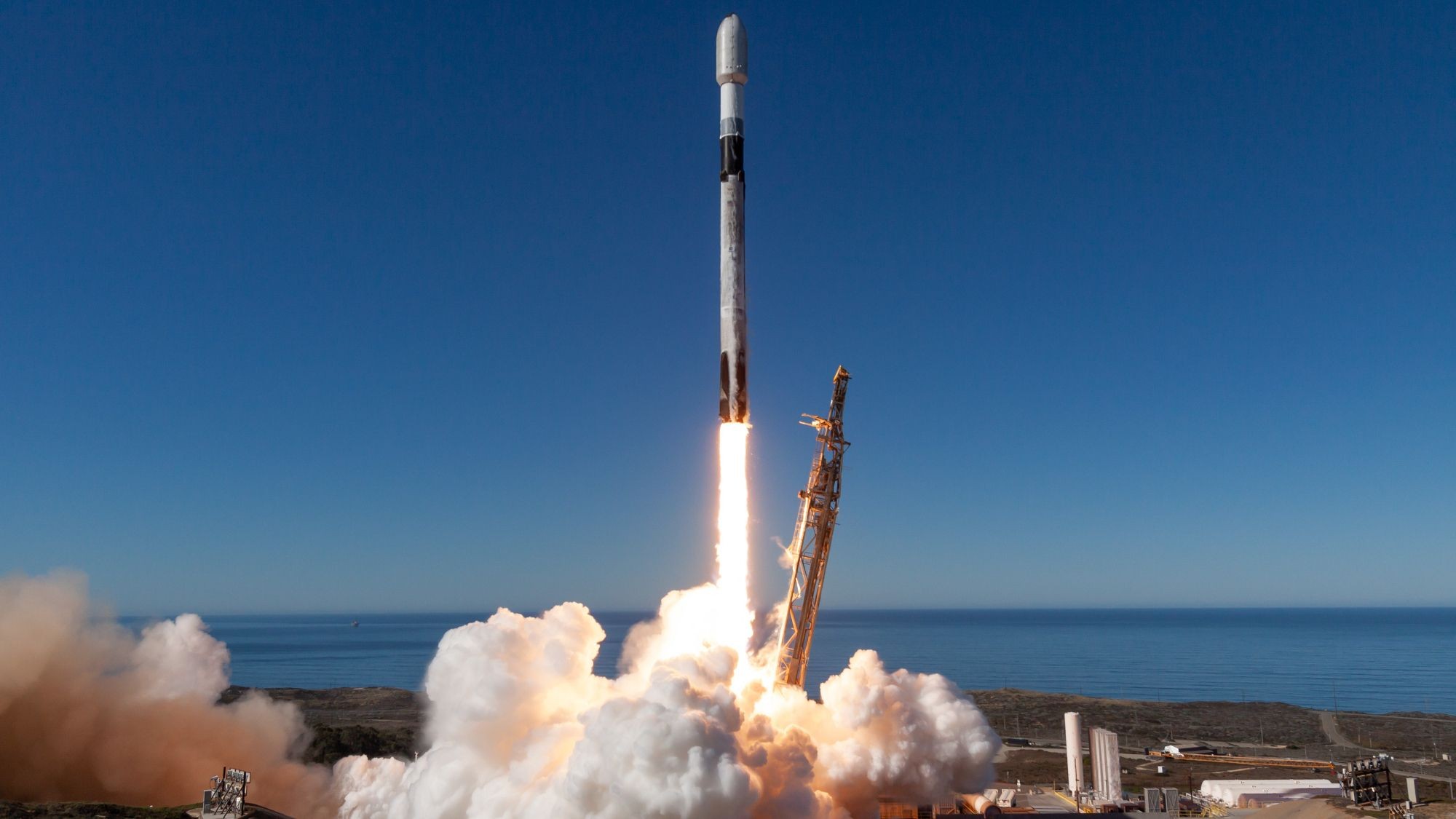
SpaceX is set to launch its Transporter-16 mission from Vandenberg Space Force Base in California on March 30, deploying an unprecedented 119 payloads into orbit. This launch marks another milestone in the company’s growing rideshare program, which is reshaping access to space for smaller satellites and experimental technologies.
Mission Details & Significance 🛰️
The Falcon 9 rocket is scheduled for liftoff during a 57-minute window starting at 6:20 a.m. EDT (1020 GMT; 3:20 a.m. California time). The mission includes a diverse range of payloads:
- Cubesats & Microsats: Small, standardized satellites used for research, imaging, and communications.
- Hosted Payloads: Instruments or experiments carried aboard larger spacecraft.
- Reentry Vehicle: Designed to test atmospheric reentry technologies.
- Orbital Transfer Vehicles: Used to deploy additional payloads at later stages.
This launch surpasses previous records. SpaceX’s Transporter-1 mission in January 2021 deployed 143 payloads, but Transporter-16 demonstrates a continuing trend toward higher-density launches.
Rideshare & the Future of Space Access 📈
SpaceX operates two primary rideshare programs: Transporter and Bandwagon. Together, these programs have already sent over 1,600 payloads into orbit. This approach significantly lowers the cost of accessing space, making it feasible for universities, startups, and government agencies to deploy small satellites without the expense of dedicated launches.
Booster Reuse & Efficiency ♻️
The Falcon 9 booster assigned to this mission is set to land on SpaceX’s droneship Of Course I Still Love You in the Pacific Ocean approximately 8.5 minutes after launch. This will be its 12th flight and landing, showcasing SpaceX’s commitment to reusable rocket technology. Reusability is critical for reducing launch costs and increasing the frequency of space missions.
SpaceX’s rideshare programs are democratizing access to space, making it easier and more affordable for a wider range of organizations to deploy satellites and conduct research in orbit.
The Transporter-16 mission is not just a launch; it is a sign of a rapidly evolving space industry where smaller, more frequent launches are becoming the norm. This trend is driven by the increasing demand for satellite-based services and the growing capabilities of companies like SpaceX to deliver them efficiently.