For decades, medical science treated organs as independent units. Now, a groundbreaking shift is underway: we’re discovering that organs don’t just function together, they talk to each other in a complex network of communication influencing everything from wound healing to aging. This field, known as inter-organ communication, reveals a hidden dialogue shaping our health in ways we’re only beginning to understand.
The Deer Antler Clue: A Universal Signal
The initial insight came from studying deer antler regeneration. Biologist Chunyi Li observed that faster antler regrowth correlated with accelerated wound healing in the animals. This led to the discovery that growing antlers release signals that prompt the body to enter a regenerative state, suggesting organs communicate across distances. This isn’t limited to deer; human bodies exhibit similar, unseen exchanges.
The Language of Organs: Beyond Hormones and Nerves
We’ve long known about hormonal and nervous system communication. But recent research shows organs “talk” in diverse ways: fat influences brain aging, bones regulate metabolism, and even seemingly inert tissues participate. This crosstalk isn’t random; it’s critical for maintaining metabolic control, slowing aging, and overall health.
Bone as an Endocrine Organ: A Surprising Revelation
For years, bone was considered a static scaffold. Now, it’s recognized as an “endocrine” organ, secreting hormones like osteocalcin that affect metabolism, fertility, and even brain function. Boosting osteocalcin levels could potentially combat age-related decline. This demonstrates how deeply interconnected organs truly are: bone’s energy demands influence other systems, and vice versa.
Fat, Brain, and Bone: A Triangulated Exchange
Fat tissue communicates with bone via leptin, a hormone that influences bone mass. Conversely, fat receives signals from the brain, which then affects bone building through the sympathetic nervous system. This feedback loop highlights how interventions – like beta-blockers, currently being tested in clinical trials – can disrupt these signals to prevent bone loss.
The Hypothalamus: The Aging Control Center?
The hypothalamus, a small brain region, appears to act as a central orchestrator of aging. Researchers have found that stimulating specific neurons in this area can extend lifespan in mice by influencing communication with adipose tissue and boosting NAD+ production (a molecule linked to longevity). This suggests that strengthening brain-organ conversations may be a promising anti-aging strategy.
Extracellular Vesicles: The Body’s Messengers
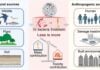
Beyond hormones and nerves, organs also communicate through extracellular vesicles (EVs) – tiny, bubble-like structures shed by cells. Initially dismissed as cellular waste, EVs now appear to carry vital information, including RNA fragments that influence gene activity in recipient cells. Different types of EVs exist, from large mitochondria-bearing vesicles to smaller exosomes and even membrane-less ones, all playing roles in health and disease.
The Dark Side of Communication: EVs in Disease
EVs aren’t always beneficial. In heart failure, they can travel to the kidneys, causing damage via harmful microRNAs. Similarly, EVs from obese individuals may contribute to brain inflammation and dementia. Cancer cells also exploit EV communication to suppress the immune response. Therapeutic interventions targeting EVs are being explored to prevent these harmful effects.
Aging and Senescent Cells: A Chain Reaction
Senescent (“zombie”) cells accumulate with age, releasing EVs that trigger senescence in other cells, contributing to chronic inflammation and multimorbidity. This explains why older individuals often suffer from multiple conditions simultaneously. Restoring healthy communication – locally, organ-wide, and systemically – could be key to slowing this process.
Why So Many Languages? Spatial Logic and Versatility
The body’s diverse communication systems likely exist for a reason: spatial specificity and versatility. Some signals are broadcast widely (like hormones), while others are confined to neighboring organs (whispered conversations). This allows for targeted messaging and more nuanced control over physiological processes.
The discovery of inter-organ communication forces us to rethink the human body not as a collection of independent parts, but as a dynamic, interconnected network where every organ is both a speaker and a listener. Understanding these hidden conversations will be crucial for developing new treatments for aging, chronic diseases, and optimizing overall health.