The natural world holds some of the most astonishing secrets about survival. Christopher Woods’ new book, In Botanical Time, explores the extreme lifespans of Earth’s oldest plants, revealing how they defy the limitations of mortality through a combination of slow growth, cloning, and sheer genetic resilience.
Ancient Survivors: Beyond Human Scales
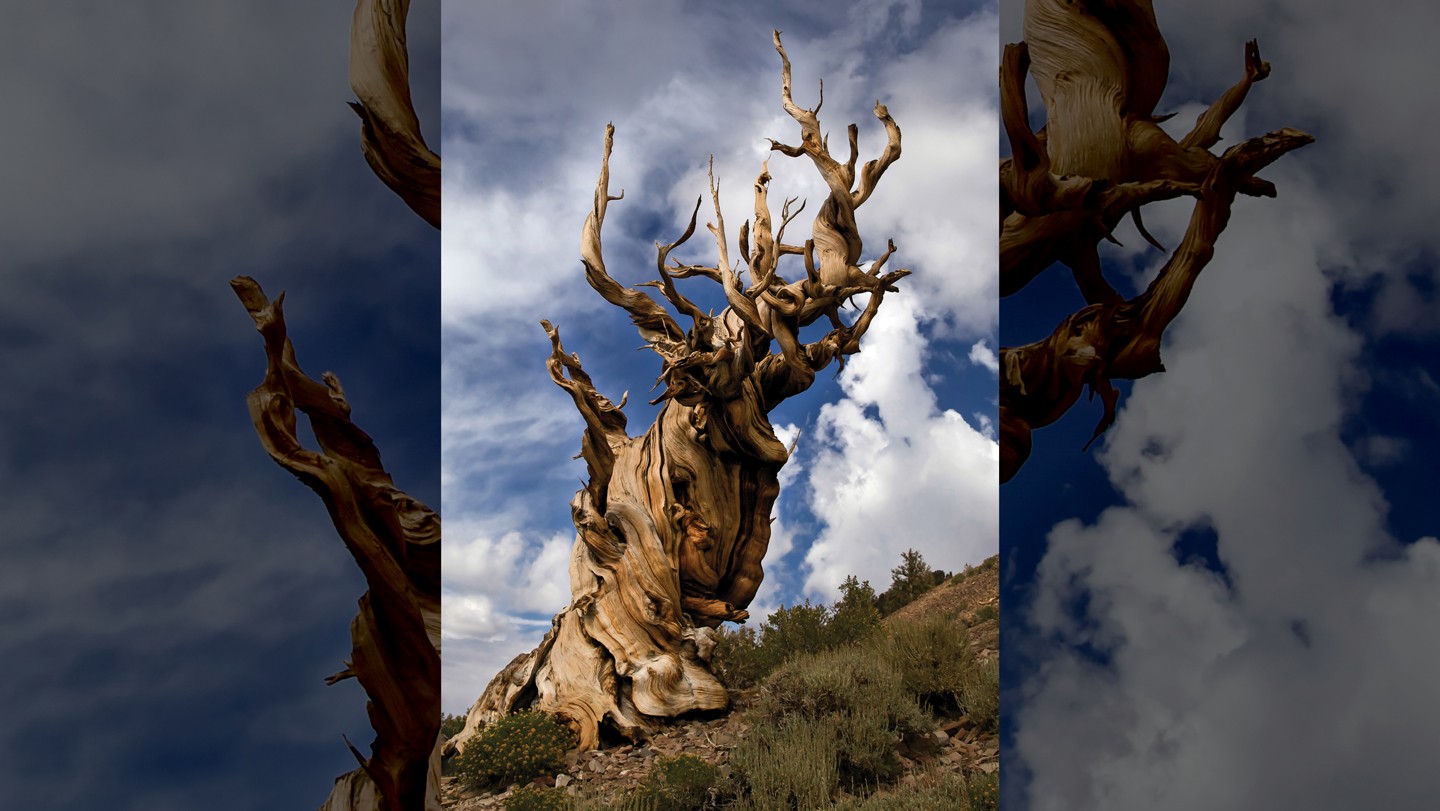
Humans measure life in decades, but some plants operate on geological timescales. Methuselah, a Great Basin bristlecone pine in California, sprouted before the pyramids of Egypt were built – around 4,800 years ago. Its survival isn’t about rapid growth but extreme conservation. Growing just 2.5 centimeters per century allows Methuselah to endure harsh conditions that would kill faster-growing species.
The Power of Cloning: Forests as Single Organisms
Many plants sidestep death by cloning themselves. The Norway spruce in Sweden, for example, has been replicating via its roots for 9,500 years, effectively regenerating itself every few centuries. Pando, a quaking aspen grove in Utah, is even more extreme: what appears to be 47,000 trees is actually a single organism with a root system dating back 14,000 years.
Underwater Immortality: Neptune Grass
The oldest known plants aren’t trees but marine organisms. A meadow of Neptune grass off the Spanish coast is estimated to be between 80,000 and 200,000 years old. Like Pando, it spreads through underground rhizomes, ensuring its survival even as individual shoots die. This highlights how cloning allows life to persist beyond the lifespan of any single component.
The Myth and Reality of Dragon Trees
Even mythical creatures have plant analogs. Dragon trees (Dracaena sp.) are named for their blood-red sap, a phenomenon so striking it inspired legends – like the myth of Hercules slaying a dragon whose blood gave rise to these trees. While the oldest dragon tree is estimated to be around 1,000 years old, dating these organisms is difficult because they lack clear growth rings.
The Challenge of Measuring Extreme Age
Determining the age of ancient plants isn’t always straightforward. Trees without growth rings, or those with rotten cores, pose a challenge for scientists. Yet, the evidence suggests that plants can achieve lifespans far beyond human comprehension.
In Botanical Time is a captivating journey into the world of botanical longevity. It’s a reminder that the most effective strategy for survival may not be speed or dominance, but rather endurance, resilience, and the ability to outlive the constraints of time itself.