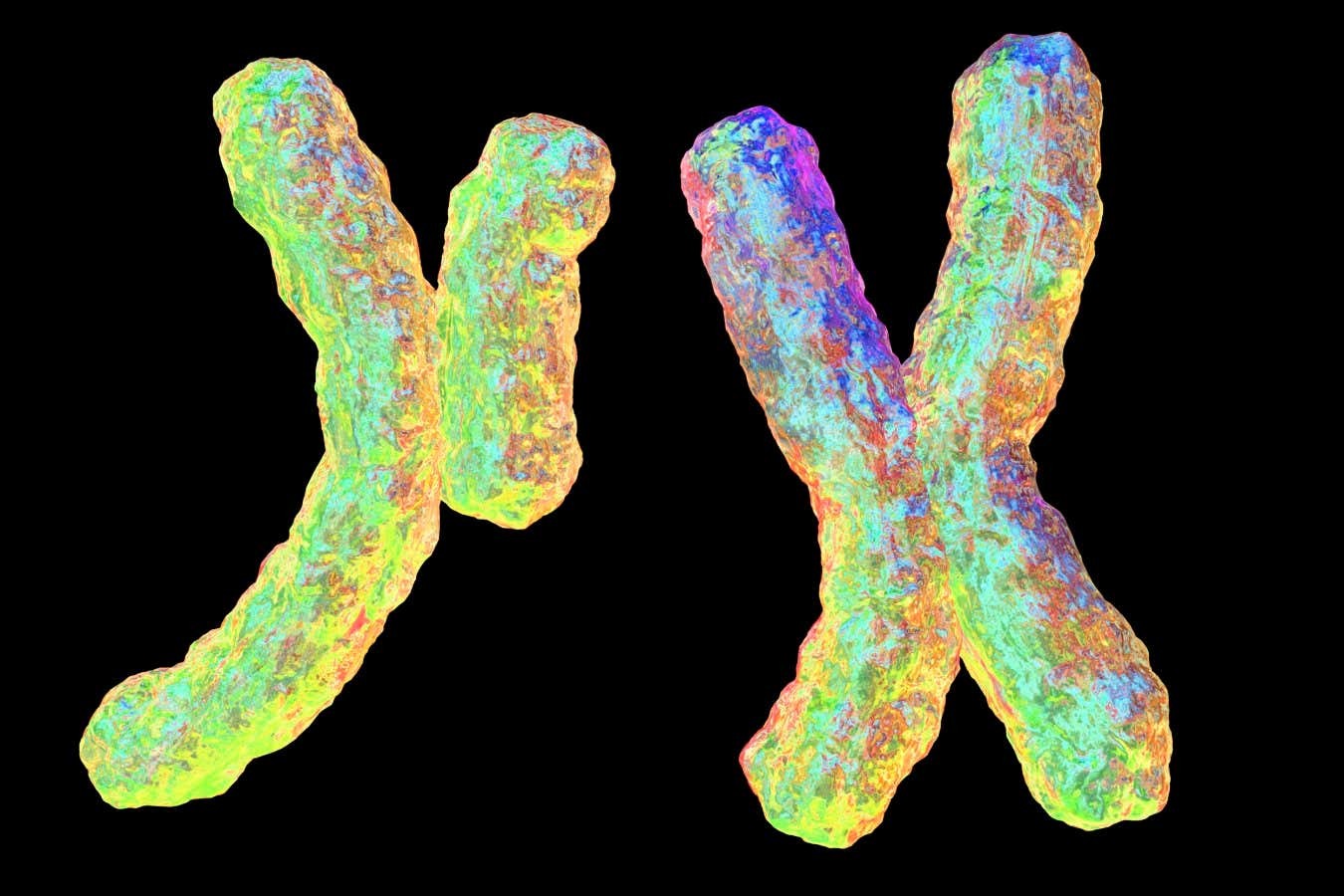
For generations, one family in Utah has exhibited an unusual pattern: a significantly higher proportion of male births compared to female. While skewed sex ratios can occur randomly, a new analysis suggests this family may carry a “selfish Y chromosome” that biologically favors male offspring. This is one of the first times such a trait has been observed in humans, offering insight into the hidden genetic battles within our own species.
The Biological Basis of Sex Ratio Distortion
In mammals, sex determination relies on X and Y chromosomes. Ideally, sperm cells carry an equal chance of either, resulting in a roughly 50/50 split between male and female offspring. However, certain genetic variants can disrupt this balance. Some chromosomes employ mechanisms to outcompete others, ensuring their survival and propagation. These “selfish” genes can sabotage sperm carrying the opposing chromosome, or even kill off non-carriers entirely.
The exact methods are still under investigation—one long-standing question is how these chromosomes eliminate competition—but the principle is clear: some genes prioritize their own inheritance above fair reproductive odds. Similar selfish chromosomes have been documented in other animals, raising the possibility that they exist in human populations.
The Utah Family Study
Researchers at the University of Utah analyzed data from the Utah Population Database, a resource containing genealogical records for millions of individuals. By focusing on 76,000 individuals, they identified one family where a specific Y chromosome was inherited across seven generations. Within this lineage, 60 out of 89 children were male, a statistically significant deviation from the expected ratio.
The team used two independent statistical methods, both of which pointed to the same outlier family. The data is anonymized, preventing direct genetic analysis, but the results suggest a strong genetic influence on sex ratios within this group.
Challenges and Future Research
Confirming a selfish Y chromosome requires direct genetic sequencing, which is currently hampered by ethical and logistical hurdles. Researchers would need access to sperm samples from family members, a process involving extensive paperwork and funding.
Some experts caution against drawing firm conclusions from limited data. Misattributed paternity could also skew the results, although the research team acknowledges this possibility. Despite these uncertainties, the findings raise important questions about male infertility, as mechanisms that eliminate sperm may also reduce overall fertility rates.
Beyond Humans: The Evolution of Selfish Genes
The concept of “selfish genes” extends beyond sex chromosomes. Any DNA segment that boosts its inheritance beyond 50 percent qualifies as a “gene drive.” These drives have been observed in various species and are now being explored for applications in genetic engineering, such as controlling malaria or managing pest populations through CRISPR technology.
The Utah family study underscores the complex interplay between genetics, reproduction, and evolution. By revealing the hidden mechanisms that shape sex ratios, this research sheds light on the ongoing genetic battles within our own species.