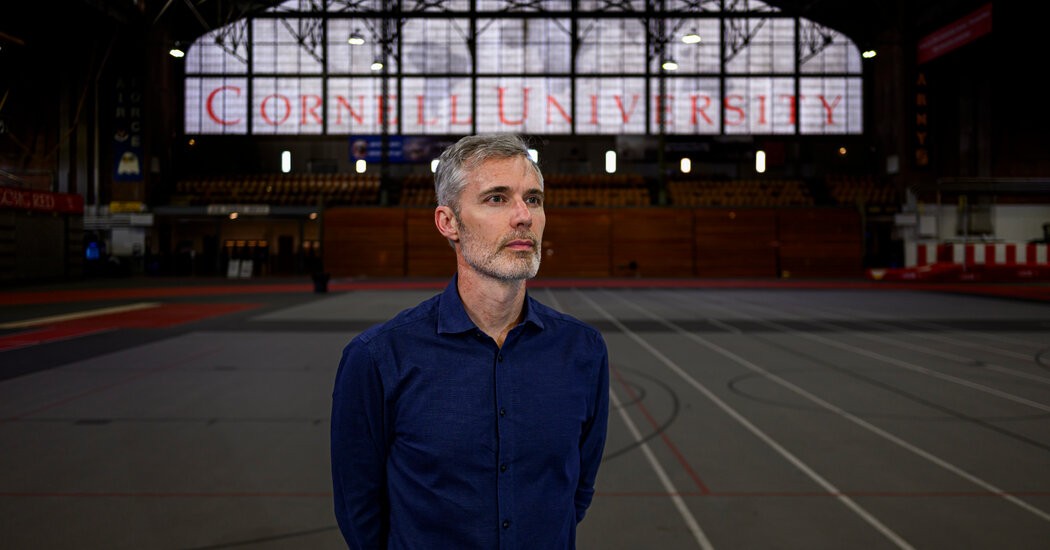
A critical research program designed to optimize blood delivery to wounded Marines has suffered significant setbacks due to funding freezes under the previous administration. The project, led by operations researcher Peter Frazier at Cornell University, developed an AI-powered tool to improve the efficiency of blood transport in combat zones, where rapid access to transfusions is vital for survival.
The Problem: Time-Sensitive Logistics
After traumatic injuries, survival rates dramatically increase when blood transfusions are administered within the first hour – a challenging timeframe in active warzones. The challenge lies not just in speed but also in the perishable nature of blood, which requires constant refrigeration, and unpredictable demand. Sometimes no blood is needed; at other times, an immediate surge is critical.
The program aimed to address this by providing Marine logisticians with data-driven recommendations on optimal blood storage locations, leveraging mathematical models and real-world input from military logistics officers. The tool was designed to work in high-stress environments, particularly in the Indo-Pacific region, where military units often rely on blood donations from their own personnel stored on ships or bases.
Funding Freeze: A Year Lost
In April 2025, all funding was frozen by the Department of Defense, despite the program’s clear benefit to Marine survival rates. This decision forced the team to halt progress, with master’s students graduating without the means to continue, and PhD recruitment impossible. While some funding was later secured through a defense contractor, a full year of work was lost before additional funds arrived in January of the following year.
“We were working to save the lives of Marines — why was our funding being frozen?” – Peter Frazier
The Consequences: Delayed Deployment
The delay has forced the team to shift focus to other logistical areas, like food and ammunition transport, while the blood logistics software remains unfinished. Though the program could have been adapted to various scenarios, including forward-deployed units in the Persian Gulf, its practical deployment has been indefinitely postponed.
The consequences of this delay are stark: Marines in combat may now have a lower chance of survival due to slower, less-efficient blood delivery systems. As Frazier bluntly states, “Now it will not [work]. In the end, it is a matter of someone’s life.”
The loss of momentum underscores the vulnerability of critical research to political shifts, even when the direct result is a measurable impact on military effectiveness and human lives.